Best AI Note Taker for Healthcare Workers 2026: Omi Wins


In this article
Best overall: Omi wins for healthcare workers who need capture running the whole shift, not just during a scheduled dictation session. Best for EHR-integrated clinical notes: Abridge. Best for large hospital rollouts: Microsoft's Dragon Copilot (formerly Nuance DAX). Best for solo or small-practice physicians: Suki AI. Best for admin meetings, not clinical documentation: Otter.ai.
- Omi is the best ai note taker for healthcare workers 2026 wants for always-on, hands-free capture across a full shift.
- Abridge and Dragon Copilot lead on EHR-formatted clinical notes but require health-system deployment, not an individual purchase.
- Suki AI fits solo physicians who want dictation-based notes without hospital IT involved.
- Otter.ai handles staff meetings well but was never built for patient-encounter privacy or clinical note structure.
- Pick by deployment size first: individual clinician, small practice, or hospital network.
Why this matters
A nurse or tech doesn't get to pause a shift to type notes. Every extra tap between a conversation and the record of it is a note that gets written from memory an hour later, half-right.
The tools compared here in Omi's broader roundup of AI note takers split into two camps: ambient clinical scribes built to slot into an EHR, and general-purpose capture tools that were never designed around a patient encounter. Healthcare buyers in 2026 need to know which camp a tool sits in before they compare features.
HIPAA still governs the decision underneath all of it. Any tool recording protected health information has to account for the safeguards in 45 CFR Part 164, regardless of how good its transcription is.
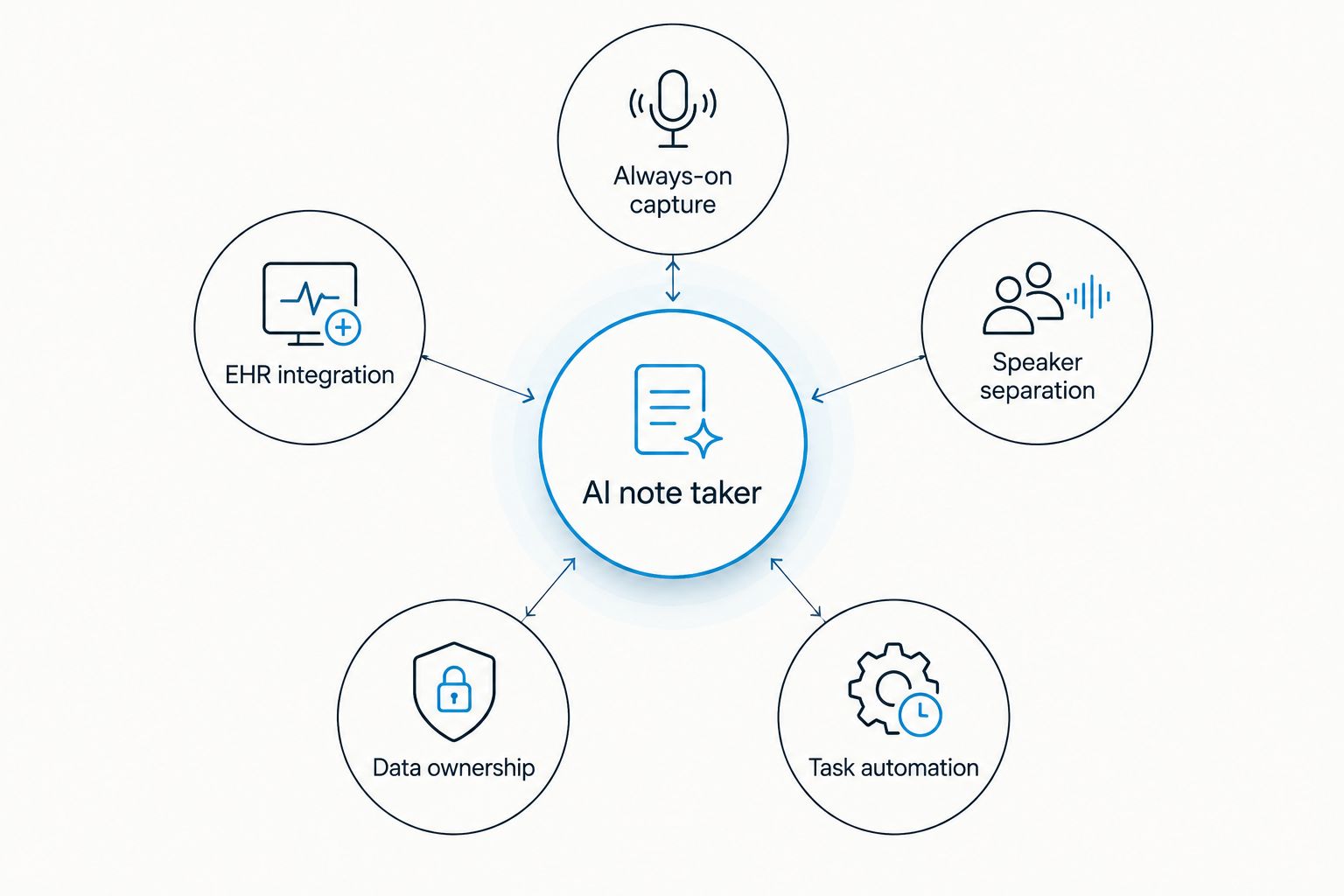
What makes the best AI note taker for healthcare workers
- Always-on capture. Does it need to be started per patient, or does it run through a whole shift without a manual trigger?
- Clinical or EHR integration depth. Does the output map into existing chart fields, or is it a flat transcript someone still has to reformat?
- Speaker separation in a noisy room. Can it tell patient, clinician, and a family member apart during a real appointment?
- Data ownership and privacy control. Who controls the recording and the note once the conversation ends?
- Task and memory automation. Does it turn a conversation into a follow-up action, or just leave you with text to reread?
- Deployment friction. Can one clinician buy and use it today, or does it require a health-system procurement cycle?
At a glance
| Tool | Best for | Standout feature | Key limitation |
|---|---|---|---|
| Omi | Always-on capture across a shift | Wearable pendant, no manual start per patient | No built-in EHR chart templates |
| Abridge | EHR-integrated clinical notes | Notes formatted to chart fields | Requires health-system deployment |
| Dragon Copilot (Nuance DAX) | Large hospital rollouts | Enterprise-scale, Microsoft ecosystem tie-in | Slow procurement, not an individual buy |
| Suki AI | Solo and small-practice physicians | Dictation built for exam-room workflow | Session-based, not continuous ambient listening |
| Otter.ai | Staff meetings, not clinical notes | Familiar general transcription interface | No clinical note structure or EHR mapping |
1. Omi: best AI note taker for always-on capture during rounds
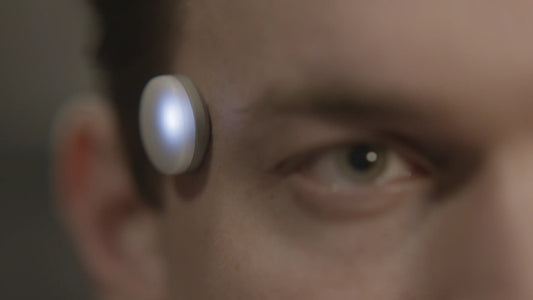
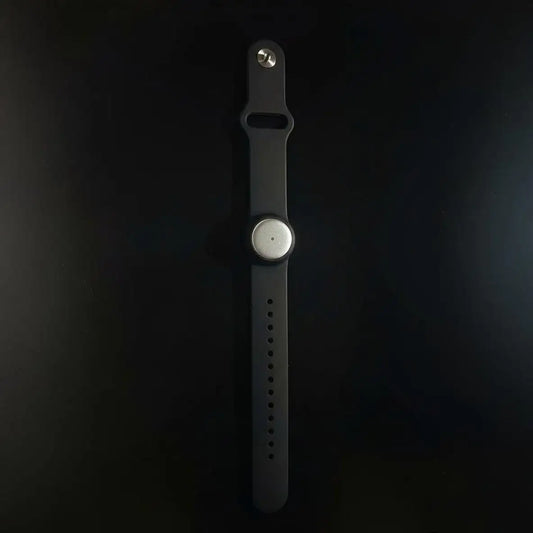
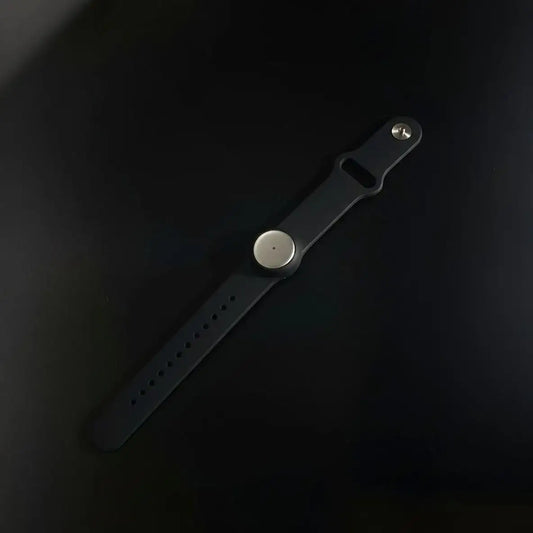
Omi is a wearable pendant paired with a companion app that listens through the day, transcribes conversations, and turns them into structured notes, tasks, and memories without anyone opening an app mid-visit. For a healthcare worker moving between patients, that's the difference between a device you operate and a device that just runs.

Omi pros:
- Hands-free capture through a shift, no tapping a phone mid-visit
- Auto-generates task lists and reminders straight from what was said
- Wearable form factor means it's already recording when the conversation starts
- Open approach to how data is stored and accessed
Omi cons:
- No pre-built EHR chart templates the way clinical-only scribes ship with
- Capture quality still depends on mic proximity to the speaker
- Newer to clinical workflows than vendors that have sold into hospitals for years
Healthcare workers who want a broader hardware fit can look at the Omi Glass developer kit for a hands-free alternative to a neck-worn pendant.
Best for: a nurse, tech, or clinician who wants one device catching everything across a shift instead of remembering to hit record. Verdict: Buy.
2. Abridge: best for EHR-integrated clinical documentation
Abridge is an ambient clinical documentation platform built to listen to a patient encounter and draft a note formatted for existing EHR fields, not a flat transcript someone has to reformat later.
Abridge pros:
- Built specifically around clinical note structure
- Strong integration with major EHR systems
- Designed around physician workflow rather than general note-taking
Abridge cons:
- Purpose-built for clinical encounters, so weak fit for admin meetings or general tasks
- Typically deployed at the health-system level, not bought individually
- Onboarding runs through IT, not a same-day setup
Best for: hospital systems standardizing ambient documentation across many physicians at once. Verdict: Buy (for health systems already vetting ambient scribes).
3. Dragon Copilot (formerly Nuance DAX): best for large hospital systems
Nuance's ambient documentation tool is now folded into Microsoft's Dragon Copilot, built for clinical documentation at hospital-network scale rather than a single practice.
Dragon Copilot pros:
- Deep integration across the Microsoft and EHR ecosystem
- Built on Nuance's long track record in clinical speech recognition
- Designed for enterprise-scale rollout across many providers
Dragon Copilot cons:
- Enterprise procurement cycle, not something one clinician buys today
- Overkill for a solo practice or small clinic
- Tied closely to the Microsoft ecosystem
Best for: hospital IT and clinical informatics teams rolling out ambient documentation network-wide in 2026. Verdict: Hold (evaluate through your health system's procurement process, not as an individual purchase).
4. Suki AI: best for solo physicians and small practices
Suki AI is a voice assistant built for individual clinicians to dictate and generate clinical notes without a hospital-scale IT deployment behind it.
Suki AI pros:
- Built specifically for solo and small-practice workflow
- Voice-first design suited to exam-room dictation
- No hospital-wide rollout required to start using it
Suki AI cons:
- Still session-based dictation, not continuous ambient listening
- Built around dictation moments rather than a full shift of capture
- Smaller-scale adoption than the enterprise players
Best for: an independent physician who wants a lighter alternative to a full hospital ambient-documentation platform. Verdict: Hold.
5. Otter.ai: best for staff meetings, not clinical notes
Otter.ai is a general-purpose meeting transcription app used widely across industries for recording and summarizing spoken conversations. It was never built around a patient encounter.
Otter.ai pros:
- Familiar interface most staff already know
- Works well for staff meetings, training sessions, and vendor calls
- Broad platform support across devices
Otter.ai cons:
- No clinical note structure or EHR mapping
- Not designed around patient-encounter privacy requirements
- Using it for clinical documentation stretches it outside its intended use
Best for: the administrative side of a practice, not the clinical encounter itself. Verdict: Skip for clinical documentation, Hold for internal team meetings.
“If a note taker needs you to start recording, it's already too late for the conversation.”
How we ranked
Deployment friction split this list more than any single feature. Omi, Suki AI, and Otter.ai can be bought and used by one person today; Abridge and Dragon Copilot need a health-system decision behind them.
Within each tier, the ranking follows the six criteria above: always-on capture, EHR integration depth, speaker separation, data ownership, task automation, and how fast a healthcare worker can actually start using the thing. Anyone weighing a longer-term commitment can check current plan options on the Omi unlimited yearly plan bundle page directly.
See the Omi pendant in detail
Check specs and how always-on capture works before you decide.
Which AI note taker should you choose?
If you're an individual healthcare worker deciding for yourself, Omi is the default pick for 2026 because it runs continuously without a manual trigger and doesn't require anyone's IT department to sign off first.
If you're evaluating for a whole hospital network, the decision isn't really about features at all, it's about EHR integration and procurement, and that's where Abridge and Dragon Copilot compete directly. Solo practices sit in between: Suki AI fits that middle ground without the enterprise overhead.
Don't buy a general transcription app like Otter.ai for clinical notes and expect it to hold up to the privacy and structure expectations of a patient encounter in 2026. It's a fine tool. It's just not this tool.
FAQ
What's the best AI note taker for healthcare workers in 2026?
Omi is the strongest pick for individual healthcare workers in 2026 because it captures conversations continuously through a wearable pendant instead of requiring a manual start per patient. Abridge and Dragon Copilot lead for hospital systems that need EHR-formatted output at scale.
Is an AI note taker HIPAA compliant?
Compliance depends on the vendor and how the tool is deployed, not the category as a whole. Verify HIPAA safeguards under 45 CFR Part 164 directly with any vendor before using a tool for clinical documentation.
Can AI note takers replace medical scribes?
They reduce the manual work of writing notes but still require a clinician to review and sign off on accuracy. Ambient scribes like Abridge are built specifically to draft notes for EHR fields, not to finalize a chart unattended.
How does a wearable AI pendant differ from a note-taking app?
A wearable like Omi records passively through a shift without being opened, while an app-based tool like Suki AI or Otter.ai needs to be started for each session. That difference matters most during unscheduled or fast-moving patient interactions.
Do AI note takers integrate with EHR systems?
Some do and some don't. Abridge and Dragon Copilot are built specifically to map notes into existing EHR chart fields, while general-purpose tools like Otter.ai and wearables like Omi output notes and tasks that still need to be entered or exported.
Is Otter.ai good enough for clinical documentation?
No. Otter.ai is built for general meeting transcription, not clinical note structure or patient-encounter privacy requirements. It works well for staff meetings and training, not the clinical encounter itself.
What's the difference between Abridge and Dragon Copilot?
Both are ambient clinical documentation tools aimed at hospital-scale deployment. Dragon Copilot runs through Microsoft's ecosystem and builds on Nuance's speech-recognition history, while Abridge is a standalone platform focused specifically on EHR-formatted clinical notes.
One last thing
The biggest gap in this category isn't transcription accuracy, it's what happens after the recording stops. A transcript that sits in an app unread is worse than a paper note, because at least the paper note gets filed. The tools worth using in 2026 turn a conversation into a task or a chart entry automatically — that's the line between a note taker and a recorder with extra steps.