Best lecture recorders for students in 2026


In this article
Best overall for searchable study notes: Omi. Best for straightforward iPhone recordings: Apple Voice Memos. Best for Pixel-based transcription: Google Recorder. This 2026 lecture recorder guide compares those options with Audacity and a dedicated digital voice recorder, so you can choose between searchable notes and audio you review yourself.
- Omi is the best lecture recorder for students who want searchable transcripts, summaries, and tasks from spoken lessons.
- Apple Voice Memos suits iPhone students who want audio capture without another device.
- Google Recorder suits Pixel users who want to search transcribed lectures.
- Audacity suits desktop recording and editing; dedicated digital recorders suit phone-independent audio capture.
- Get recording permission, test the microphone position, and check important details against the original audio.
Why this matters
Recording a lecture and learning from it are different jobs. An audio file preserves what was said. A transcript helps you find a topic. A summary gives you a starting point for review, but it does not replace your understanding of the material.
Choose the output you will actually use. If you revisit a professor's explanations, audio playback matters most. If you need to find a definition across several lessons, searchable text matters more. For a study system beyond recording, use the guide to note-taking methods.
Permission comes first. Consent rules vary by location; check local law and your institution's recording policy before capturing a class. Ask about classmates' contributions, not just the instructor's lecture. This is not legal advice.
What makes the best lecture recorder
For a 2026 student buying decision, these criteria matter more than a long feature list:
- Usable audio: Test whether the recorder captures the instructor clearly from your permitted position. A transcript cannot fix words the microphone never captured.
- Review output: Decide whether you need audio, searchable transcripts, summaries, or tasks. Do not choose an editing tool expecting automatic study notes.
- Capture setup: Match the tool to your classroom: phone on a desk, wearable, laptop, or separate recorder. Check whether that setup is allowed.
- Recording limits: Check listening allowances, storage, and the exact device's recording requirements before relying on it for a full timetable.
- Control of recordings: Look for export and deletion options. Decide where lecture recordings should live and who should have access.
- Study workflow: Choose a tool that makes it easy to return to difficult passages. The useful recorder is the one you review, not merely start.
Lecture recorders at a glance for 2026
| Rank | Option | Best for | Standout feature | Key limitation |
|---|---|---|---|---|
| 1 | Omi | Searchable study notes | Transcripts, summaries, tasks, and search across recordings | Listening allowances differ by plan |
| 2 | Apple Voice Memos | Straightforward iPhone audio capture | Recording and trimming in a familiar phone app | Audio capture alone does not create a study workflow |
| 3 | Google Recorder | Pixel-based transcript search | Recording with searchable transcription | Device and language support require checking |
| 4 | Audacity | Desktop recording and editing | Detailed audio editing and file export | Does not generate study summaries by itself |
| 5 | Dedicated digital voice recorder | Phone-independent classroom recording | Separate hardware devoted to audio capture | Features vary by model; transcription needs a separate workflow |
These options solve different problems. The first choice turns spoken lessons into material you can search. The others prioritize familiar phone capture, Pixel transcription, desktop editing, or separate recording hardware.
1. Omi: best lecture recorder for searchable study notes
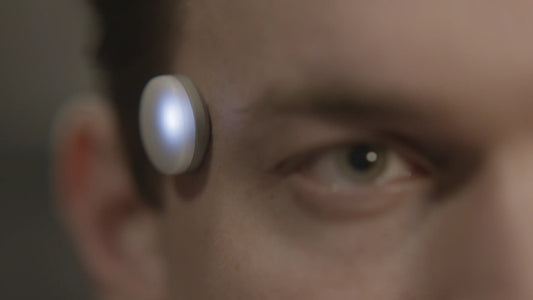
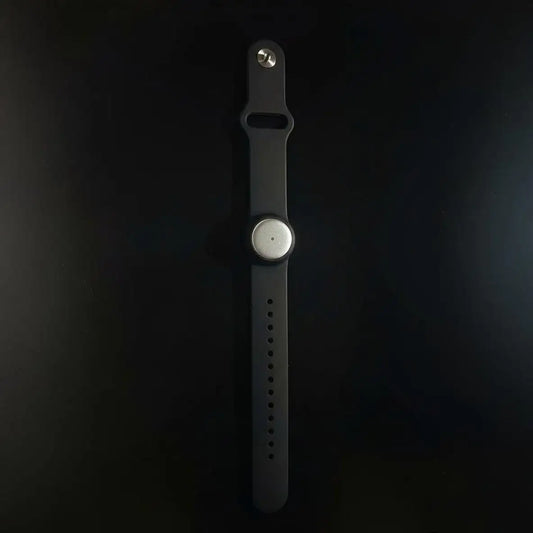
The wearable and companion app capture spoken interactions and turn them into transcripts, summaries, action items, and memories. You can search across recordings and use the chat feature to ask about captured material. For students, that means a recorded explanation can become something you find again without replaying the entire class.
Omi is the best lecture recorder for students who want searchable transcripts and summaries rather than audio alone. You can also record through the phone or Mac app's built-in microphone without wearing the device. That gives you a way to try the recording workflow before deciding whether a wearable fits your classroom.
Omi pros:
- Produces transcripts, summaries, and tasks alongside captured conversations.
- Supports full export and deletion of individual items or everything.
- Offers phone and Mac recording as alternatives to wearable capture.
- Supports 33 languages, with English identified as the most accurate.
Omi cons:
- You must set the language manually; it does not switch languages mid-conversation.
- Basic includes 300 listening minutes per month, while Plus includes 1,500 minutes per month. Unlimited has no minute cap.
- Local Sync is experimental, so test the offline-to-sync workflow before relying on it for an important class.
Hitting a listening cap does not stop recording; audio remains available to manage and export. Still, match your plan to your timetable rather than discovering the difference between audio capture and processed notes during revision.
Best for: Students who want to find explanations across lectures and turn spoken information into organized review material.
Verdict: Buy for searchable study notes. Use the phone or Mac recording option first if you are unsure whether you need wearable capture.
2. Apple Voice Memos: best lecture recorder for iPhone simplicity
Apple Voice Memos records audio on an iPhone and lets you trim recordings. It is a straightforward choice when your goal is to preserve an explanation and listen again later, rather than adopt a separate recording device.
The distinction is workflow. A recording is useful only if you can identify it and find the passage you need. Name each lecture consistently and write down the topics you expect to revisit.
Apple Voice Memos pros:
- Uses the iPhone you already bring to class.
- Provides a direct recording interface without dedicated recording hardware.
- Lets you trim unwanted audio and share recordings.
Apple Voice Memos cons:
- Using your phone for recording competes with your other phone activities.
- The phone's position still determines what the microphone captures.
- Recording audio does not, by itself, organize course concepts or assignments.
Do not leave the phone inside a bag and assume it captured the instructor clearly. Test the actual desk position, then listen to the result before you depend on it for revision.
Best for: iPhone students who want a simple audio record and prefer to build their own notes.
Verdict: Buy into this workflow for straightforward playback; skip it as your whole study system.
3. Google Recorder: best lecture recorder for Pixel transcript search
Google Recorder combines audio recording with transcription on supported Pixel devices. Its search function helps you locate words in a recording instead of scrubbing through audio without a starting point.
That makes it a useful middle ground between an audio-only workflow and a broader note-generation system. Choose it when finding the professor's original explanation matters more than automatically producing tasks or summaries.
Google Recorder pros:
- Combines recordings and transcripts within the same app.
- Supports searching for words in recorded material.
- Keeps the capture workflow on a supported phone rather than separate hardware.
Google Recorder cons:
- You need to check compatibility with your exact device.
- Transcription language support is not a reason to assume every classroom language will work.
- Searchable transcription still requires you to check technical terms against the audio.
For a 2026 purchase decision, verify the current device and language requirements before choosing hardware around this app. Test with the vocabulary from your actual course, especially names, formulas spoken aloud, and specialist terminology.
Best for: Students with supported Pixel devices who want transcript search close to the original audio.
Verdict: Buy into this workflow if your device and lecture language are supported.
4. Audacity: best lecture recorder for desktop audio editing
Audacity is an open-source desktop audio recorder and editor. It records microphone input and gives you editing tools for trimming, arranging, and exporting audio.
Choose Audacity when working with the audio file is part of the task. It suits a permitted laptop setup where you want control over the recording afterward, rather than automatic lecture summaries.
Audacity pros:
- Records audio and provides detailed editing controls.
- Exports recordings for use in another audio workflow.
- Gives you direct control over trimming and arranging recorded material.
Audacity cons:
- It does not create transcripts or study summaries by itself.
- You must choose and test the correct recording input.
- Editing adds work if you only need quick lecture playback.
For an online lecture, distinguish microphone recording from computer-audio capture. The correct setup depends on your operating system and permissions; test it before the session rather than assuming the laptop microphone records everything you hear through headphones.
Best for: Students who need desktop recording and hands-on audio editing.
Verdict: Buy into this workflow for editing control; skip it if automatic notes are the priority.
5. Dedicated digital voice recorder: best for phone-independent capture
A dedicated digital voice recorder separates classroom audio capture from your phone. This is a category recommendation, not an endorsement of a particular model: microphone arrangements, storage, controls, and file-transfer methods differ.
Choose a specific model only after checking its documentation against your lecture routine. The advantage is separation. Your recording device has a defined job while your phone remains available for other permitted uses.
Dedicated digital voice recorder pros:
- Keeps recording separate from your phone's other activities.
- Offers physical recording controls on models designed around that workflow.
- Lets you select hardware around your preferred audio-transfer process.
Dedicated digital voice recorder cons:
- You must bring, maintain, and manage another device.
- Recording duration and storage depend on the exact model and settings.
- Audio capture does not automatically provide transcripts, summaries, or tasks.
Check file export before choosing a recorder. A device that records well but makes transferring lectures awkward adds friction precisely when you need to review them.
Best for: Students who want a separate audio device and are comfortable organizing recordings themselves.
Verdict: Buy only after checking the exact model's recording and export requirements.
How we ranked these lecture recorders
This 2026 ranking prioritizes the path from spoken lesson to usable revision material. Searchable notes take the first slot; familiar phone recording, transcript search, editing control, and phone-independent hardware each receive a distinct recommendation.
The criteria are audio usability, review output, capture setup, recording limits, control, and study workflow. This is a feature-and-workflow comparison, not a controlled microphone test. No placement in the list establishes that one microphone records a distant lecturer better than another.
Make your first recording a test, not a gamble
Use the same setup you intend to use in class. A quiet recording at home does not establish whether your chosen position captures a lecturer clearly.
- Get permission. Check the institution's rules and the instructor's requirements before recording.
- Test placement. Record speech from the permitted position, then listen for missing words and distracting noise.
- Check output. Compare a transcript or summary with the original audio, paying attention to technical terms.
- Name recordings. Include the course and topic so each file remains identifiable later.
- Review actively. Write your own explanation, then return to the recording where your understanding breaks down.
Which lecture recorder should you choose?
Choose searchable notes as the default if finding information is your main problem. Choose Apple Voice Memos if straightforward iPhone playback is enough. Choose Google Recorder for supported Pixel transcript search, Audacity for desktop editing, or a dedicated recorder to keep capture separate from your phone.
For 2026, the deciding question is not which device has the longest feature list. It is whether you need to hear a lecture again, search what was said, or turn it into organized study material. Pick the output first; choose the hardware second.
FAQ
What's the best lecture recorder for students?
A transcript-and-summary workflow is the best choice for students who need searchable study notes. Apple Voice Memos suits straightforward iPhone audio capture, while Google Recorder suits transcript search on supported Pixel devices.
Can I use my phone as a lecture recorder?
Yes, you can use a phone to record a lecture when recording is permitted. Test the microphone position and confirm that the recording captures the instructor clearly before relying on it.
Is a wearable recorder better than a phone?
A wearable is not automatically better than a phone for lecture recording. Choose according to permitted placement, usable audio, and the notes or transcripts you need afterward.
Can I record a lecture without asking permission?
Do not assume you can record a lecture without permission. Consent rules vary by location, so check local law, institutional policy, and the instructor's requirements; this is not legal advice.
Can a lecture recorder transcribe every technical term correctly?
No lecture transcription should be treated as a guaranteed record of every technical term. Check unfamiliar names, definitions, and important claims against the original audio and course materials.
Does Audacity automatically turn lectures into study notes?
No, Audacity does not generate study notes by itself. It records and edits audio; transcription and summaries require a separate workflow.
What should I check before choosing a dedicated voice recorder?
Check the exact model's microphone setup, recording requirements, storage, controls, and file export. Do not assume that a compact recorder includes transcription or automatic summaries.
One last thing
Recordings capture speech, not the entire lesson. A spoken explanation can refer to a diagram, equation, or demonstration that audio alone does not preserve. In 2026, keep brief notes about those visual references so your recording still makes sense when you return to it.