How to Record a Phone Call on iPhone: Best Way (2026)


In this article
To record a phone call on iPhone in 2026, use the Phone app’s built-in call recording feature if it is available on your device and in your region. During the call, tap More, then Call Recording; everyone on the call hears a recording notice, and the recording is saved in Notes. If the option is unavailable, put the call on speakerphone and record it with a separate device. Check the consent rules where each participant is located before you start.
- The best way to record a phone call on iPhone in 2026 is Apple’s built-in Call Recording feature when available.
- Apple announces the recording to call participants and saves the audio in Notes; transcription depends on availability.
- A separate recorder works for speakerphone calls when the built-in option is unavailable.
- Omi is best for professionals who want spoken calls turned into searchable notes and tasks, not discreet call recording.
Why this matters
A saved call and a useful record of that call are different things. For a quick replay, the iPhone’s built-in feature is the direct choice. If you need to find commitments, follow up on tasks, or search past conversations, decide how you will organize the recording before the next call arrives. You can compare AI note-taking apps and wearables if your work extends beyond phone calls.
The other decision is consent. An audible notice tells participants that recording has started, but it does not replace checking the law that applies to your call. Consent rules vary by location, including when people on the same call are in different places. This guide explains the recording methods; it is not legal advice.
How do you record a phone call on iPhone in 2026?
Use Apple’s built-in Call Recording option first. It records within the Phone app, tells participants that recording has started, and saves the result in Notes. The option is not available on every iPhone or in every region, so check for the control during a call before relying on it for an important conversation.
| Method | Best for | What you get | Main limitation |
|---|---|---|---|
| iPhone Call Recording | A direct recording inside the Phone app | Audio saved in Notes; transcription where supported | Availability depends on device settings, region, and language |
| Separate recorder with speakerphone | Calls when the built-in option is unavailable | An audio file on the recording device | Call audio must play aloud, and you must manage the file |
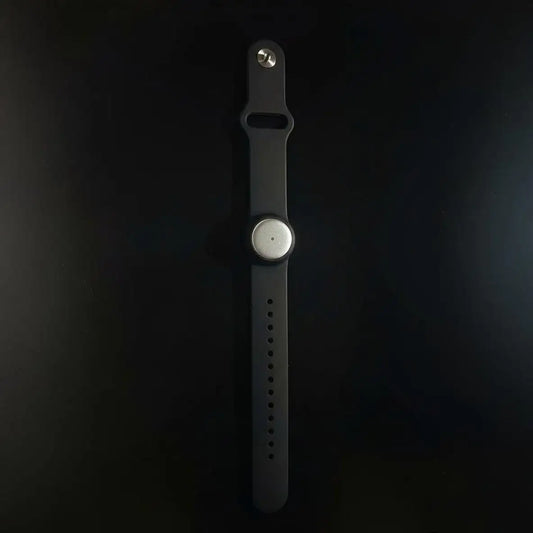
| Omi app or wearable with speakerphone | Professionals organizing calls alongside other conversations | Recordings that can become transcripts, notes, and tasks | The iPhone call must be on speakerphone; Omi does not record it directly from the Phone app |
Record with the iPhone’s built-in feature
- Check availability. Update your iPhone, then look for Call Recording in the Phone app during a call. If the control is absent, use another method rather than assuming the call is being captured.
- Tell participants. Confirm that you have the consent required for the call. Apple’s recording notice is audible to participants, but you still need to check local rules.
- Start recording. During the call, tap More, then Call Recording. Listen for the notice before treating the recording as active.
- Find the file. After the call, open Notes and find the saved call recording. Check that it covers the part of the conversation you needed.
- Review the transcript. If transcription is available for your language and region, use it to locate details, then verify names, figures, and commitments against the audio.
These are steps for a call in the Phone app, not a Voice Memos recording. Do not assume Voice Memos running on the same iPhone will capture both sides of a phone call. If Call Recording is missing, a separate device recording the call over speakerphone is the clearer fallback.
Record with a separate device
Put the iPhone call on speakerphone so both sides can be heard in the room. Use a separate phone, computer, or recorder to capture the audio, and make a short check that the microphone can hear both voices clearly. Ask for the required consent before recording; a speakerphone call does not provide Apple’s built-in recording notice for you.
This method avoids depending on the iPhone’s Call Recording control, but it adds work. Room noise can make speech harder to understand, and the file stays wherever the second device saves it. Keep track of which call each file belongs to, especially if you need to retrieve a decision or action item later.
When is each recording method the right choice?
Choose by the record you need after the call, not by the number of features an app lists. A recording you cannot find, hear, or use is not much help.
- Built-in Call Recording — best for a straightforward replay. It starts in the Phone app and saves to Notes. Its drawback is availability: you need to confirm the option is present, and transcription is not universal. Verdict: Use it when available.
- A separate recorder — best for a simple fallback. It captures a call played over speakerphone without depending on Apple’s recording control. Its drawback is that you must handle audio quality and organize the file yourself. Verdict: Use it when the built-in option is missing.
- Omi — best for professionals who need searchable notes and tasks from spoken interactions. The app or wearable can record a phone call played on speakerphone and turn captured speech into transcripts, summaries, and action items. Its drawback is the speakerphone requirement; it does not silently capture call audio inside the iPhone Phone app. Verdict: Use it for organizing conversations, not as a substitute for Apple’s in-call control.
Turn conversations into usable notes
Explore the wearable for transcripts, summaries, tasks, and searchable memories.
Why does iPhone call recording vary?
There is no single setup that works identically for every caller in 2026. Check these factors before you promise someone a recording or build a work process around one.
- Feature availability. Apple’s built-in Call Recording option is not offered in every region. If it does not appear during a call, do not plan around it.
- Language support. Saving audio and getting a transcript are different capabilities. A call can be recorded even when the transcription feature you want is unavailable.
- Consent requirements. The rules that apply to recording depend on location. Check local law for the people on the call rather than treating an app’s notice as permission.
- Recording setup. A separate device needs audible speakerphone output. Background sound, distance from the speaker, and microphone placement affect what you can make out afterward.
- Your purpose. Replaying a single call calls for less organization than tracking tasks across calls, meetings, and in-person discussions.
- Access to the result. Know where the audio is saved and who can access it, particularly when the conversation contains sensitive information.
For a professional call, make the last factor part of the decision before recording. If a client gives instructions, a patient shares information, or a teammate commits to a deadline, verify the saved audio and any generated notes before acting on them. A transcript helps you find a statement; it does not guarantee that every word was captured correctly.
Can you record an iPhone call without the other person knowing?
Apple’s built-in Call Recording announces the recording to participants. Do not treat a different recording method as permission to record secretly. Consent rules vary by location, so check the law that applies to your call and obtain the consent you need before recording.
That distinction matters even if the conversation feels informal. A work call can include private details or another person’s voice. Choose a method you can explain to everyone on the call, and decide whether the recording is necessary before you start.
Where do recorded iPhone calls go?
Calls captured with Apple’s built-in feature are saved in Notes. Open the saved recording there to replay the audio; a transcript is available only where the relevant transcription feature is supported. If you used a separate device instead, look in that device’s recording app or storage location, not in your iPhone’s Notes app.
Check the result soon after the call. A file that exists is not proof that it contains every detail you expected, particularly when you used speakerphone and an external microphone. For an important name, instruction, or commitment, listen to the audio rather than relying only on generated text.
Can you record a call with just one iPhone?
Yes, if Apple’s built-in Call Recording feature is available on that iPhone. Start it from the Phone app during the call and find the saved audio in Notes. If the option is unavailable, do not count on opening Voice Memos on the same iPhone to capture both participants; use a separate recording device with speakerphone instead.
If recording calls is part of your job, check your setup before a time-sensitive conversation. Confirm that you can see the control, know where the file will appear, and understand which participants must consent. Those checks take less effort than trying to reconstruct a missed instruction afterward.
FAQ
How do I record a phone call on iPhone in 2026?
Use Call Recording in the iPhone Phone app when it is available: during the call, tap More, then Call Recording. Participants hear a notice, and the recording is saved in Notes.
Why can't I see Call Recording on my iPhone?
Apple’s Call Recording feature is not available in every region or setup. Check that your iPhone is updated and look for the option during a call; if it is absent, use a separate recorder with speakerphone.
Does iPhone tell the other person when I record a call?
Yes. Apple’s built-in Call Recording plays an audible notice to call participants when recording starts. Check the consent rules that apply to your call before using any method.
Can Voice Memos record a phone call on the same iPhone?
Do not rely on Voice Memos on the same iPhone to capture both sides of a call. Use the Phone app’s Call Recording option when available, or play the call on speakerphone and record with a separate device.
Where can I find a recorded iPhone call?
Apple’s built-in call recordings are saved in Notes. Recordings made with a separate device remain wherever that device saves its audio files.
Will my recorded iPhone call have a transcript?
A transcript depends on whether Apple’s transcription feature supports your language and region. The saved audio is the record to check when an exact word or commitment matters.
Can Omi record an iPhone phone call?
Yes, Omi can capture an iPhone call played on speakerphone using its app or wearable. It does not record the call directly inside the iPhone Phone app, and you still need to check applicable consent rules.
One last thing
The best recording method is the one you verify before the call ends. In 2026, an iPhone can save a call in Notes, but a transcript is not a substitute for listening when the wording matters. If the built-in control is missing, switch to a speakerphone setup with a separate recorder before the conversation you need to keep—not after it.