Note Taking Methods: Match the Task, Not the Tool (2026)


In this article
The best note taking methods depend on what you need to retrieve: use Cornell notes for review, outlines for structured talks, mapping for relationships, charting for comparisons, sentence notes for rapid sequences, and conversational capture for spoken follow-ups. In 2026, no single method does all six jobs well, and recording a conversation still requires you to check the consent rules that apply where you are.
- Cornell is the best of these note taking methods for reviewing material you wrote down yourself.
- Outlines fit structured talks; charting fits repeated comparisons; mapping shows relationships.
- Omi fits professionals who need spoken conversations turned into searchable notes and tasks, not people who need visual diagrams.
- Choose a method by the question you will ask your notes later, not by how tidy the page looks.
Why this matters
A page full of notes can still fail you when you need an answer. If your next task is comparing options, a paragraph is hard to scan; if your next task is calling someone back, a diagram can bury the commitment. The right format makes the next action visible.
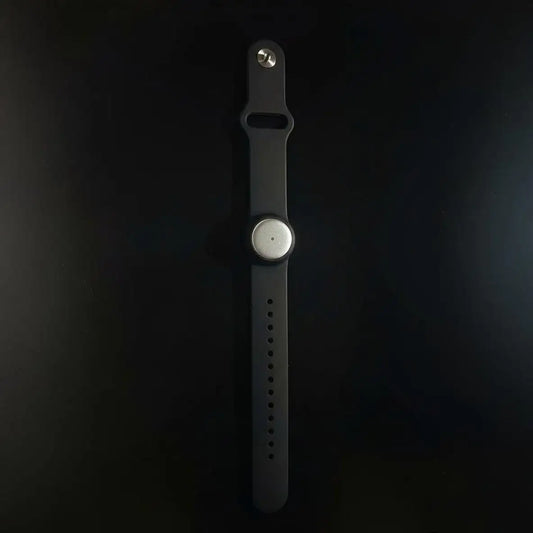
That distinction matters when the source is a live conversation. The Omi wearable note-taking device captures what you say and hear, then produces transcripts, summaries and tasks in its companion app. It is useful when you need to revisit spoken details; it does not draw a concept map for you, and you must check local consent rules before recording others.
Which note taking methods work best for different tasks?
These six methods organize different kinds of information. The 2026 choice is not paper versus an app. It is whether you need to review, follow a sequence, see a connection, compare fields, catch a rapid stream or recover what someone said.
| Method | Best for | What it does well | Where it falls short |
|---|---|---|---|
| Cornell notes | Reviewing a lesson or briefing | Separates notes, recall prompts and a summary | Takes effort to turn raw notes into useful questions |
| Outlining | Talks with a clear hierarchy | Shows main points and supporting details | Breaks down when speakers jump between topics |
| Mind mapping | Exploring connected ideas | Makes relationships visible | Becomes hard to scan when every branch needs detail |
| Charting | Comparing repeated categories | Puts like-for-like details in the same column | Misses information that does not fit the chosen fields |
| Sentence notes | Catching a fast sequence | Preserves points in the order you hear them | Creates a long list that needs editing afterward |
| Conversational capture | Recovering spoken decisions and follow-ups | Preserves a record you can search and turn into tasks | Requires a suitable recording setup and attention to consent |
The verdict: choose the format that matches the answer you will need later. Use a second method when the source changes; a meeting can call for conversational capture while your final decision calls for a chart.
Cornell notes: best for review
Cornell notes divide a page into a main note area, a cue area and a summary. During a class or briefing, put the substance in the main area. Afterward, write questions or short prompts in the cue area and summarize the point in your own words. The result is a page you can use to test recall instead of merely rereading.
Pros: The cues force you to decide what matters, and the summary exposes gaps in your understanding. The layout works when the material has ideas you expect to revisit.
Cons: It adds a second pass after the event. If the immediate job is logging commitments from a fast-moving conversation, converting every remark into a recall prompt is unnecessary work. Verdict: choose Cornell for study and review; skip it as your sole record of a meeting with many follow-ups.
Outlining: best for structured talks
An outline groups information under headings and subpoints. Start with the speaker's main themes, then indent examples, objections and supporting details beneath them. It works when a presentation, briefing or interview follows a recognizable structure.
Pros: You can scan the hierarchy and see which detail supports which point. Adding a new subpoint is straightforward when the speaker stays on topic.
Cons: Real conversations do not always respect an outline. When a speaker returns to an earlier subject, your choices are to interrupt your flow, duplicate the point or leave it out of place. Verdict: choose outlining for a structured source; switch methods when the discussion stops following a structure.
Mind mapping: best for connected ideas
A mind map starts with a central topic and branches into related concepts. Add branches when you need to show how an objection, example or next question connects to the main idea. The layout suits planning and exploration better than verbatim capture.
Pros: A map makes relationships visible without forcing you to choose a reading order. It can show competing approaches on the same page.
Cons: Dense detail is awkward to place, and a branch labeled with a topic may not preserve who promised what. If a conversation produces tasks, write those tasks separately. Verdict: choose mapping to think through relationships; skip it as the only record of decisions and owners.
Charting: best for comparisons
A chart uses columns for the questions you intend to ask of every option. For an interview, those might be the challenge discussed, the proposed response and the next action. For a technical visit, the fields might be the observed issue, the explanation and the follow-up. Use the same headings across rows so differences are easy to spot.
Pros: Charting prevents a long narrative from hiding a missing answer. It also makes repeated conversations easier to compare.
Cons: You decide the columns before you know everything the source will contain. An unexpected but important point can end up squeezed into the wrong cell or omitted. Leave room for observations that do not fit. Verdict: choose charting when the same questions recur; do not force every insight into a preset column.
Sentence notes: best for rapid sequences
Sentence notes record each point as a separate line in the order it arrives. Keep each line focused on one idea: a claim, a question, a decision or an action. You can capture the flow without deciding immediately where every detail belongs.
Pros: The method is simple to start and forgiving when a speaker changes topics. It preserves the order in which points arose.
Cons: A long list does not tell you which points matter most. Review it soon after the event, group related lines and mark decisions separately from open questions. Verdict: choose sentence notes when speed matters; do not mistake the raw list for a finished record.
Conversational capture: best for spoken follow-ups
Conversational capture records speech so you can return to a transcript, summary or task list after the discussion. It fits meetings, field conversations and other spoken exchanges where stopping to write would interrupt the work. For 2026, the useful question is not whether the transcript exists; it is whether you can find the decision and act on it.
Pros: You can revisit wording you missed and search across conversations. A task list gives follow-ups a place to go instead of leaving them buried in audio.
Cons: A transcript can contain tangents, and a generated task still needs your review before you rely on it. Recording also brings consent obligations: rules vary by location, so check local law. Omi is best for professionals who need spoken interactions turned into searchable notes and tasks; it is not a substitute for your judgment about accuracy or consent. Verdict: choose conversational capture for spoken follow-ups, then verify the important details.
How do you choose a note-taking method?
Work backward from the action your notes must support. A 2026 note-taking system succeeds when you can retrieve the right detail and use it, not when every page follows the same template.
- Name the output. Decide whether you need a recall prompt, a sequence of points, a relationship map, a comparison or a list of commitments.
- Check the source. A structured presentation supports an outline; a conversation that changes direction needs a more flexible record.
- Choose the format. Match the output and source to a method in the table. Do not select a recording method when a visual comparison is the real task.
- Review the result. Check names, decisions and next actions. Move an important point into a chart or task list if its original format hides it.
The fourth step is where methods often meet. You can capture a conversation, verify its decisions and put competing proposals into a chart. That is not a failure to pick one system. It is a way to make the record fit the work.
Why does the right method vary?
No format removes the need to decide what matters. These factors change the choice:
- Your retrieval goal: Recall questions favor Cornell notes; a side-by-side decision favors charting.
- The source's structure: An orderly presentation suits an outline; a discussion that loops between topics does not.
- The pace: Sentence notes preserve a rapid sequence, while a map asks you to classify ideas as they arrive.
- The detail you must keep: Relationships suit mapping; exact spoken wording calls for a record you can revisit.
- The next owner: A decision with a follow-up needs a clearly assigned task, not just a topic heading.
- Permission to record: If recording is not appropriate, use a written method and confirm important commitments with the people involved.
For wearable capture, volume matters too. Omi's Basic plan includes 300 listening minutes per month; its Plus plan includes 1,500 minutes per month. Every plan has the same core features, and reaching a minute cap does not stop recording: audio remains available to manage and export. Choose a plan based on how much conversation you expect to process, not on a claim that a higher plan makes the notes more accurate.
Can you combine note-taking methods?
Yes. Capture the source in the format that interferes least with the event, then reorganize what you need for the next decision. Sentence notes can become a Cornell page for review; a conversation record can become a chart of competing proposals.
Keep the original record separate from your interpretation. When you turn a remark into a task, check that it was a commitment rather than an idea someone was considering.
Which method works for meetings with action items?
Conversational capture works when you need to revisit spoken decisions, while sentence notes work when you cannot record. In either case, review the output for the action, its owner and anything still undecided. An outline is useful only if the meeting follows a clear agenda and you can keep up without losing commitments.
Is a transcript the same as good notes?
No. A transcript preserves words; good notes make the relevant decision, question or follow-up easy to find. In 2026, treat a transcript as source material. Check its important details, then extract what you need into tasks, a summary or a comparison chart.
FAQ
What are the main note taking methods?
The six methods compared here are Cornell notes, outlining, mind mapping, charting, sentence notes and conversational capture. Each organizes information for a different retrieval task.
What's the best note taking method for studying?
Cornell notes are the best choice here for reviewing material you wrote down yourself. Their cue area lets you turn notes into questions and check what you remember.
Which note taking method is best for meetings?
Conversational capture is best when you need to revisit spoken decisions and follow-ups, provided recording is appropriate and permitted. Use sentence notes when you cannot record.
Is mind mapping better than outlining?
Mind mapping is better for showing relationships between ideas; outlining is better for a source with main points and supporting details. Neither is the best standalone format for tracking who owns a task.
Can Omi replace handwritten notes?
Omi can capture spoken conversations and produce transcripts, summaries and tasks, but it does not replace every written method. Use a chart for comparisons or a map when you need to see relationships.
Do I need consent to record a conversation?
Consent rules vary by location, so check local law before recording others. A useful note-taking method does not remove your responsibility to handle a conversation appropriately.
How do I organize notes after a fast discussion?
Separate decisions, open questions and follow-ups first. Then move details into an outline, chart or task list according to what you need to find later.
One last thing
The best 2026 upgrade is often a better review habit, not a different capture tool. Before you close your notes, identify the decision you would otherwise have to search for and the follow-up you would otherwise forget. If you use Omi for spoken work, check those points against the conversation record; if you write by hand, mark them where you can find them.