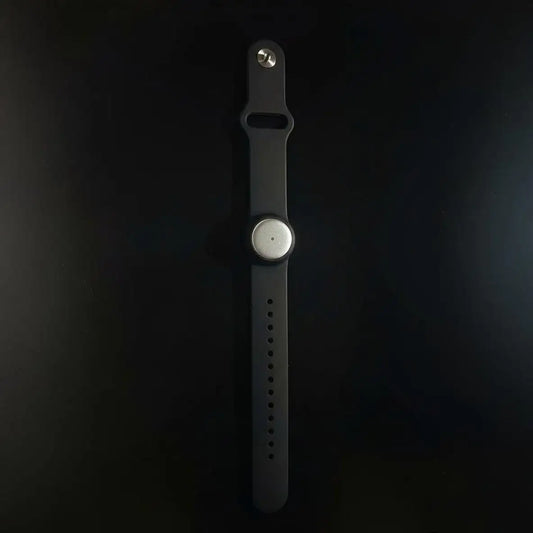
From November 1 to November 30, 2024, we ran the Omi Apps Hackathon, a month-long online challenge focused on one outcome. Build and ship the next wave of apps for wearable AI hardware, then publish them to a real ecosystem where people can actually use them.
The hackathon brought together 695 participants from around the world, with $12,000 in prizes, a beginner-friendly format, and a clear path from prototype to marketplace.
Hackathon snapshot
- Dates: Nov 1 to Nov 30, 2024
- Format: online, public
- Participants: 695
- Prize pool: $12,000
- Focus: wearable AI hardware apps, beginner friendly
- Eligibility: ages 14+ (per rules)
What builders were creating
Omi is an open-source AI wearable designed to capture real-life context and turn it into something useful, like notes, summaries, tasks, follow-ups, and searchable recall. That context layer opens the door to a different kind of software.
The hackathon asked builders to take that capability and push it forward by creating apps that feel personal and practical. Think productivity assistants, study workflows, coaching tools, creator utilities, clinical support concepts, and countless other “context-aware” experiences that are hard to build with typical text-only systems.
The challenge. build the coolest Omi app possible
The prompt was intentionally open. Build anything you can imagine. At the time, the marketplace already had 50+ apps, and the community knew there were thousands more use cases waiting to be built.
The goal was not to build a demo for a weekend. The goal was to expand the Omi ecosystem with new tools people could try, share, and keep using.
Why this hackathon was different
A lot of hackathons stop at a pitch. This one was designed for launch.
- Real distribution. Submitted apps were built to go live in the Omi marketplace, accessible in the mobile app and on the web, reaching tens of thousands of users.
- Real inputs. Builders could create workflows powered by real-time audio and transcription signals, enabling apps that feel more like a second brain and less like a single chat session.
- Real earnings over time. We committed $10M in developer payouts tied to app usage, so builders could keep earning as their apps grow in popularity and engagement.
That combination changes the incentive. You are not just building to win a prize. You are building to ship and earn.
Builder perks and incentives
- Free hardware. Every qualified submission earned a free Omi device to level up testing and iteration.
- Trip to HQ. Winners received an all-expenses-paid trip to Omi HQ in San Francisco, up to $2,000 each.
- Community support. Builders collaborated, shared ideas, and got help through the Omi Discord.
Prizes
The prize pool totaled $12,000, plus travel and recognition.
- First place (2 winners): paid trip to San Francisco (up to $2,000 each), $3,000 USD total split between winners, plus social media recognition.
- Second place (1 winner): $1,500 USD, plus social media recognition.
- Third place (1 winner): $500 USD, plus social media recognition.
Apps shipped and winners
Want to explore what teams built and see the winners? The full project gallery is published on Devpost, including shipped apps, write-ups, and winning submissions.
View the Omi Apps Hackathon project gallery and winners
What this event proved
With 695 participants, the Omi Apps Hackathon showed what happens when you give builders a platform, real distribution, and a long-term incentive to keep improving what they ship. You get an ecosystem, not just a moment.
Omi is not meant to be one assistant that tries to do everything. It is a foundation for many apps, many workflows, and many “flavors” of how people want to use memory and context in daily life.
What’s next
If you shipped an app during the hackathon, keep iterating. If you missed it, this is the best time to start building. Early ecosystems move fast, and the surface area is wide open for new categories of apps that only wearable context can unlock.

 www.omi.me