On January 28, 2026, Omi Ambassador Johnson Keast gave a campus talk at the University of Canterbury in Christchurch, New Zealand. The session brought together professors and students to explore how Omi fits into real academic work, from learning and teaching to assessments and collaboration.
The vibe was clear from the start. People were curious, asked practical questions, and shared specific ways they would use Omi on campus. Johnson spoke with many attendees who were interested in purchasing Omi in New Zealand and bringing it into their day-to-day routines.
What the talk focused on
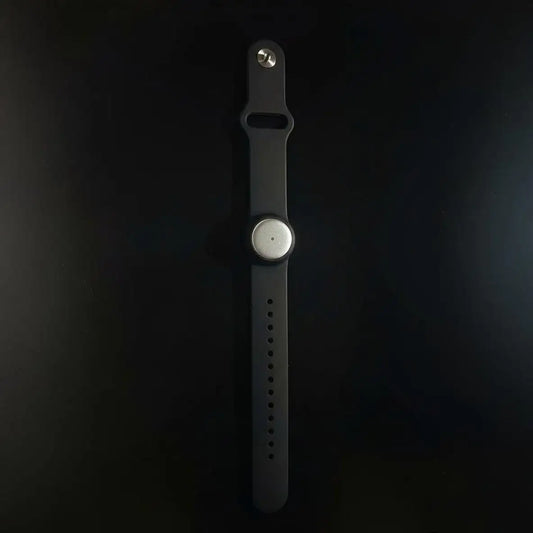
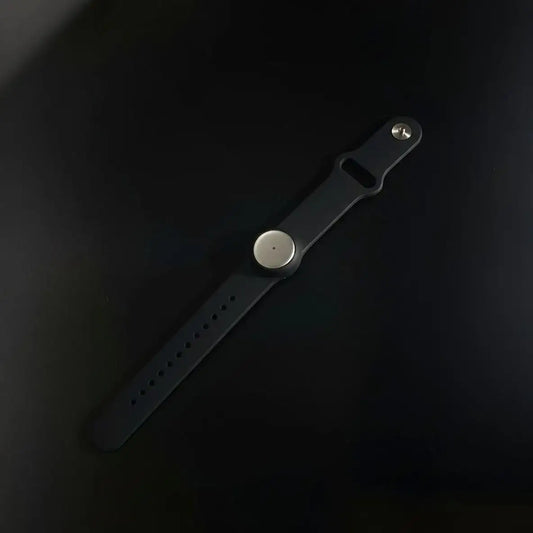
Johnson framed Omi in a way that clicked immediately for a university setting. Omi is built to feel like a second brain and a super memory. It captures real conversations and context, then turns them into something you can actually use later, like summaries, key points, and clear next steps.
The emphasis was not “record more.” It was “remember more, with less effort.” Less scrambling to write everything down. More confidence that the important parts are captured and easy to pull back when you need them.
Why it resonated with professors and students
Universities run on spoken information. Lectures, tutorials, office hours, supervision meetings, group project check-ins, feedback sessions. There is a lot of value in those moments, and it moves fast.
Omi helps by adding a memory layer across those conversations. Your learning does not reset each week, it accumulates. You can search for details, revisit what mattered, and keep momentum without relying on scattered notes or half-remembered comments.
Use cases discussed on campus
During the Q&A and conversations afterward, a few scenarios came up again and again:
- Lecture recaps. turn a class into a clean summary and key takeaways for review
- Tutorials and labs. capture steps, explanations, and reminders in a searchable format
- Office hours and supervision. keep a clear record of feedback, action items, and next steps
- Group projects. track decisions, tasks, and deadlines without slowing the discussion
- Assessment workflows. support better continuity across feedback cycles and preparation
The second brain angle. What stood out
For students, the win is staying present in the moment, then reviewing later with structure. For professors, it is about continuity and follow-through, with clearer summaries after meetings and fewer loose ends.
The shared theme was simple. Memory, but usable. Not just capturing information, but being able to pull the right detail back at the right time.
Omi in New Zealand
Campus talks like this are how local communities form. You put the product in front of real people with real workflows, then let the use cases surface. Christchurch showed strong interest, and we are excited to keep growing the Omi community across New Zealand.
Johnson’s message from the event summed it up well. Big things ahead.
Want Omi in New Zealand
If you are in New Zealand and want Omi, reach out to Johnson Keast. He is part of the Omi Ambassador Program and can point you in the right direction to purchase it.
Kia ora, and welcome to the Omi community.

 www.omi.me