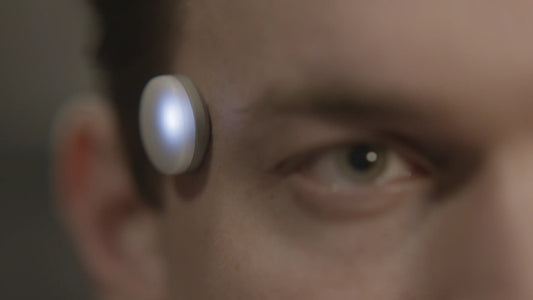
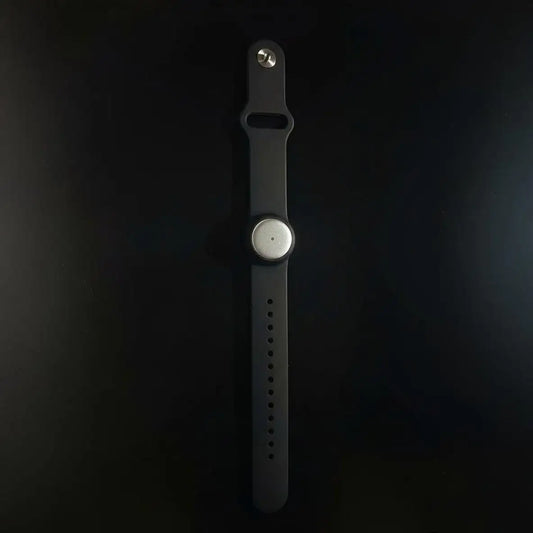
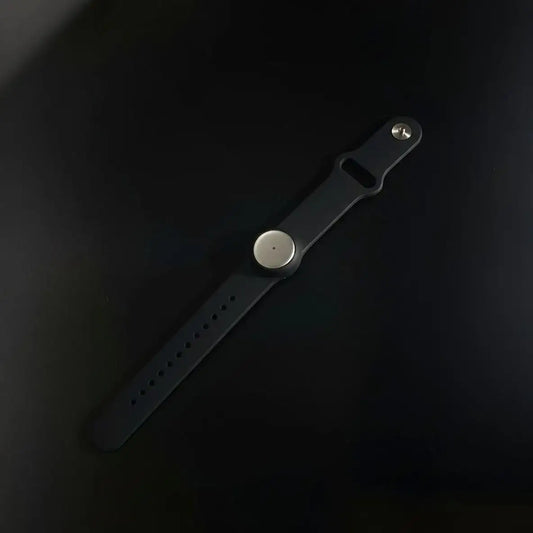
On November 1–2, 2025, we hosted omiHacks 2025 in San Francisco — our official hackathon built to push Omi from “cool wearable” into a growing ecosystem of apps, integrations, and developer tools.

And we didn’t make it abstract.
We put $30,000 in prizes on the table for builders who could ship real-world experiences, accepted online submissions, and gave every accepted participant a free omi.me device (valued at $100+) so teams could test on real hardware.
The goal
omiHacks 2025 was designed for one thing: build practical apps that turn voice + context into action.
The best hacks weren’t “AI demos.” They were prototypes you could imagine using immediately — in daily life, at work, with friends, in the real world.
The two tracks
Track 1: build real-world apps and integrations
This track focused on apps that feel instant and useful — where a simple voice command triggers something meaningful.
Some of the example directions we gave teams:
- Uber: “get me an uber to {location}”
- DoorDash: “get me food”
- Lie Detector: detect if the person is lying
- Rizz Meter: detect if someone likes you from their voice
The theme was consistent: voice → outcome, not voice → more note-taking.
Track 2: connect Omi to other microphone hardware
Omi isn’t just one device. It’s a platform for “listening” experiences.
So the second track challenged developers to integrate Omi with other mic-enabled hardware — anything that captures audio and context. We called out examples like Plaud, Friend, Bee, Limitless, and Fieldy, and encouraged teams to build bridges that expand where Omi apps can live.
Prizes + hardware: the combo that made it move fast
The $30,000 prize pool raised the bar, but the bigger accelerator was simple: everyone accepted received an Omi device.
That meant teams could prototype quickly, validate behavior early, and build demos that were grounded in how Omi actually works in real life — not just a guess in a simulator.
Built with the community
omiHacks 2025 was hosted by a crew of builders and community leaders — including Nik Shevchenko, Jay Gadde, Kye Gomez, and others — and brought together an energized dev crowd in San Francisco.
We also ran omiHacks in collaboration with Stanford ASES, Swarms, Hume, Deepgram, Dabl Club, AGI, AIValley, and Frontier Tower, helping make the weekend feel less like a one-off event and more like a real moment for the developer ecosystem.
What omiHacks 2025 represented
Looking back, omiHacks 2025 marked a clear shift: Omi as a platform.
A weekend where developers:
- shipped new apps and integrations fast
- explored “say it and it happens” interaction patterns
- built hardware bridges that expand what Omi can connect to
- shared prototypes, tools, and ideas with other builders
That’s the energy we want more of — and it’s exactly how the Omi ecosystem grows.
What’s next
If you want early access to future hackathons, builder events, and developer drops, join our Discord. That’s where the next rounds get announced first.

 www.omi.me