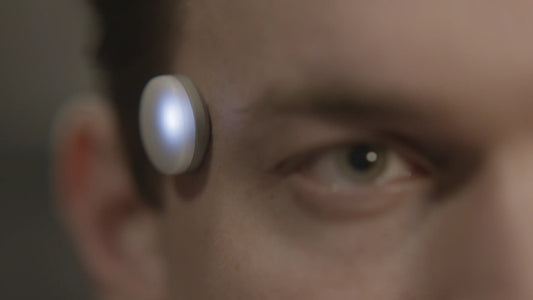
Omi is a small AI voice recorder plus a note taker app built for hands-free ai note taking for clinicians and healthcare workers. You charge it overnight, wear it all day (necklace or wrist band, even under scrubs), and the app turns voice recording and transcription into searchable ai notes, summaries, and action items. It can feel like an ai scribe for doctors (and other clinicians), because it helps turn voice to notes quickly—while you stay present with patients. It is free for up to 300 minutes, with an unlimited plan for about $22/month (annual). Always follow your facility policy and obtain patient consent before recording.
Clinical documentation is rarely “just writing notes.” It’s remembering the exact phrasing of a symptom, catching medication changes, tracking goals, recalling what you promised, and doing it all while the day keeps moving. That’s why so many clinicians search for an ai note taking app, a voice recorder with transcription, or even a “best ai medical scribe” alternative that doesn’t slow them down.
This guide shows how Omi works for clinicians, how it turns real conversations into structured drafts you can review, and how to use it responsibly (consent and policy always come first).
What Omi is (and why it fits clinicians)
Omi is a wearable AI voice recorder plus a companion app. You wear the recorder to capture real-world clinical context, and the app (with AI) converts that audio into voice recorder to transcript output—then into structured notes you can search, organize, and refine. In practice, Omi becomes a reliable note taker for the moments you would otherwise reconstruct from memory at the end of the day.
In plain terms: it’s a wearable recorder + a note taker app. The recorder captures hands-free, the app handles voice recording and transcription, and the AI helps you turn that into usable note taking outputs: summaries, tasks, follow-ups, and clean drafts.
Omi fits many clinician roles because documentation pressure shows up everywhere—just in different shapes. You’ll see it used by physicians (including pediatricians and geriatricians), surgeons, nurses, psychiatrists, psychologists, radiologists, dentists, pharmacists, podiatrists, chiropractors, occupational therapists, dietitians, nutritionists, and sports nutritionists. Same core need: reduce recall load and create better drafts faster.
Omi is also designed to look and feel modern. It is discreet, minimal, and stylish, and it is one of the smallest devices in this category. In healthcare, that’s not a vanity point. If a device feels bulky or awkward, people stop wearing it. If it’s small and comfortable, it becomes routine.
Omi is fully open-source, which means the ecosystem is built for transparency and long-term flexibility. And for trust and compliance, Omi is positioned for enterprise-grade standards (including SOC 2 and HIPAA) so clinicians and teams can treat sensitive recordings with the seriousness they require.
Quick reality check: Omi is not a clinician, and it does not replace professional judgment. What it can do is reduce the friction between “I had a great encounter” and “I now have to document it accurately.”
How Omi works for clinical note taking
Most clinicians don’t want another workflow. They want one simple habit that holds up during real shifts: charge at night, wear all day, capture key moments, then convert voice to notes when they actually have a minute. That is the typical Omi routine.
1) Charge overnight, then wear it like a necklace or wrist band
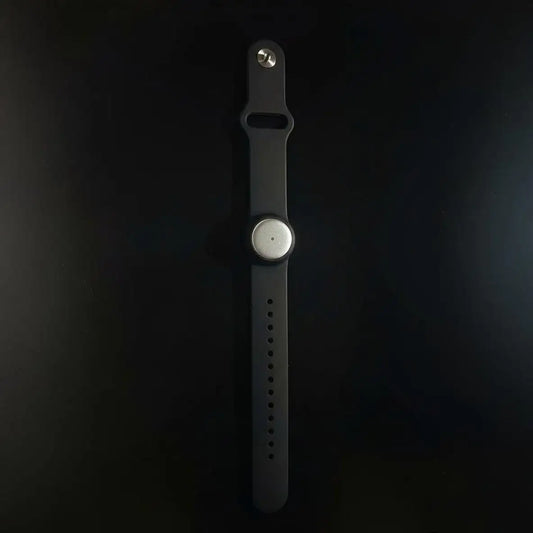
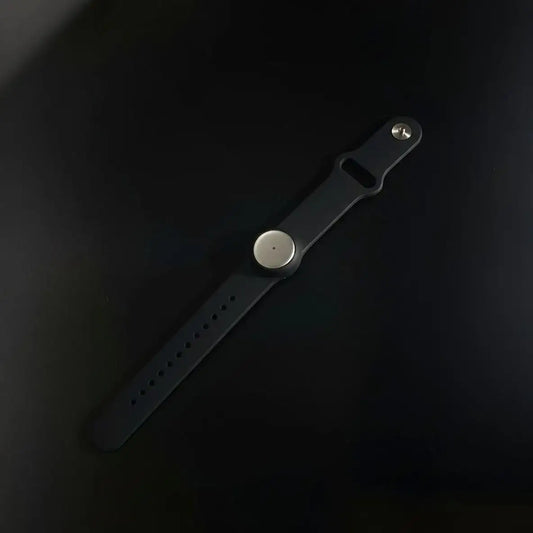
Omi is built for hands-free use. You can wear it as a necklace (pendant style) or use a wrist band accessory depending on your preference. Many clinicians wear it under scrubs or under a shirt for comfort and discretion. The goal is simple: you shouldn’t have to think about it. If it’s comfortable, you’ll actually use it consistently—and consistency is what makes any ai note taking system valuable.
2) Capture the moment, then use the app for voice recorder with transcription
When Omi is connected, you can capture audio and see transcription in the app. Think of it as a voice recorder with transcription workflow that’s designed for clinicians: the wearable captures, the app turns voice recorder to transcript, and then AI helps structure it into usable drafts.
This is the difference between “I recorded something” and “I can use this.” Omi is trying to solve the second part: turning raw audio into ai notes you can find later.
3) Press the button to mark moments and ask questions
During a busy day you don’t want to manage recordings. You want one quick action. With Omi, you can press the device button to mark key moments (a symptom timeline, a medication change, a safety warning, a follow-up commitment). Later, in the app’s AI chat, you can ask questions grounded in what was captured. It’s a practical way to turn messy reality into clean note taking output.
4) Organize by patient type, clinic day, or workflow—and favorite what matters
Omi helps you stay organized when everything blurs together. You can group recordings into folders (by clinic day, service line, unit, meeting type, or rotation), favorite the ones you need to revisit, and quickly search across transcripts and summaries. For clinicians, search is often the real killer feature. It’s the difference between “I know we discussed that” and “here’s the exact part where it was decided.”
5) Use web-connected AI to deepen, clarify, and draft (carefully)
Once you have the transcript, you can use Omi’s AI to draft a structured note, rewrite it to match your tone, and generate checklists and follow-up tasks. Because the AI can connect to the internet, it can also help explain concepts, expand differential reasoning prompts, or generate patient-friendly education language. You still verify clinically. But the speed gain is real: it reduces blank-page time.
Voice to notes: from encounter to documentation
If you’ve ever searched for an ai doctors note generator free tool, you were probably trying to solve a real pain: you don’t need “more text,” you need the right draft, based on what actually happened. That’s where Omi’s workflow is different. It starts with the real conversation, then helps convert it into structured output.
In other words: Omi is not just voice recording and transcription. It’s “capture → structure → retrieve.” That is what clinicians mean when they compare best ai medical scribe options: can it reliably help me turn voice to notes without adding friction?
A simple clinical workflow that holds up in real life
- Before an encounter: confirm consent and align with your facility policy. Be explicit when required.
- During care: stay present. Use the device button to mark the moments you know will matter in the note.
- Right after (2–5 minutes): skim the AI summary and star what’s chart-critical (plan changes, red flags, next steps).
- Documentation time: ask the AI to draft the structure you need (SOAP, narrative, intake, therapy note, discharge, shift summary). Review, edit, and sign as the clinician.
Top 10 situations clinicians use Omi (and what it helps with)
- Primary care follow-ups: capture “what changed since last visit,” then draft a tighter assessment/plan without missing details.
- Urgent care or ED-style quick encounters: mark red flags, timing, and instructions so your note matches what you actually said.
- Inpatient rounds: convert fast discussions into a clear problem list with action items and owners.
- Nursing handoffs and shift notes: turn verbal updates into a structured summary (priorities, meds, risks, tasks).
- Psychiatry / psychology sessions: capture themes and goals, then draft a consistent therapy or progress note (with consent and policy adherence).
- Pediatrics conversations with parents: preserve instructions and follow-up plans, then generate a parent-friendly recap when appropriate.
- Geriatrics care coordination: track meds, safety concerns, caregiver instructions, and referrals without relying on memory alone.
- Pharmacy counseling: summarize counseling points, side effects discussed, adherence plan, and follow-up reminders.
- Dentistry consults: capture risks/benefits discussions and post-procedure instructions so nothing is “lost in translation.”
- Rehab workflows (OT): document functional goals, exercises, progression, and next-session plan quickly and consistently.
How Omi reduces documentation friction (the practical benefits)
- Less after-hours charting: faster drafts reduce “start from zero” time.
- Better recall: key moments are captured in the patient’s words, not reconstructed later.
- Cleaner follow-ups: tasks extracted from the conversation make next steps harder to forget.
- Better continuity: searchable ai notes help you pick up context quickly.
- Consistency across notes: templates reduce variability and improve note quality over time.
This is the core promise of ai note taking done well: you do the human work (care), and the system helps with the mechanical work (drafting and structuring), without pretending to replace you.
Best practices for recording in clinical settings (so the transcript is actually good)
Placement and audio tips
- Keep it close: chest-level placement often captures clearer audio than pockets.
- Avoid heavy fabric muffling: thick layers can reduce clarity; test placement with your clothing.
- Reduce room noise when possible: busy hallways and loud stations can hurt transcription quality.
- Do a quick test early: confirm transcription appears before you rely on it in a critical moment.
Marking moments is the cheat code
If you do only one active thing, do this: mark the moments that will matter in documentation. Medication changes. “Return precautions.” The exact plan. A patient concern that changes your assessment. The device button turns your day from one long blur into a set of “review these first” anchors.
Use a personal dictionary for clinical vocabulary
Transcription quality often breaks on medication names, rare conditions, acronyms, and clinician names. Omi lets you add words to a personal dictionary so the transcript becomes more accurate over time. For clinicians, this is one of the highest ROI improvements in any voice recorder with transcription setup—because it reduces cleanup and increases trust in the output.
Keep your workflow compliant
Even the best note taker can become a liability if you ignore policy. Be intentional: consent, approved use cases, and appropriate handling of sensitive information. If your facility restricts recording in certain contexts, respect it. Always.
Summary templates and custom clinical templates
A transcript is helpful. A structured template is what makes it clinically usable. Omi lets you choose different templates for summaries and note drafts—and also create your own. This is where a generic “ai doctors note generator free” experience becomes a real clinician workflow: your structure, your style, your priorities.
High-performing clinical templates (examples)
- SOAP draft: HPI highlights, objective findings mentioned, assessment reasoning prompts, plan + tasks.
- Nursing shift summary: patient priorities, safety risks, meds given/changed, pending labs, next steps.
- Psych progress note: themes, interventions, response, risk factors, goals, follow-up plan.
- Dietitian / sports nutrition consult: baseline intake, barriers, plan, education points, adherence tasks.
- Care team huddle minutes: decisions, owners, deadlines, blockers, escalations.
A custom clinical template you can copy
Title: [Setting + encounter type]
1) One-sentence summary
2) Patient’s main concern (in their words)
3) Key facts (timeline, severity, modifiers)
4) Relevant negatives / red flags discussed
5) Assessment (working dx + reasoning)
6) Plan (meds, tests, referrals, education)
7) Safety net / return precautions
8) Follow-up tasks (who does what, by when)
Once you dial in your template, Omi starts behaving like a consistent ai note taking app—not just a transcript tool. The output becomes predictable, faster to review, and easier to trust.
Ai note taking app free: pricing and why it is worth it
Many clinicians test tools before they commit (you’ll see searches like free ai medical scribe for that reason). Omi includes a free tier that covers up to 1,200 minutes of recording and transcription—enough to validate whether the workflow fits your day.
- Free: up to 300 minutes of recording and transcription.
- Unlimited: about $22 per month on the annual plan.
The value math is simple. If this saves even 10 minutes a day in documentation effort, it pays for itself quickly. But the bigger win is quality and consistency: fewer missed details, fewer “what did we decide?” moments, and less cognitive load at the end of the shift.
Privacy, security, and consent (read this part)
Always get permission before recording
In healthcare, consent and policy are not optional. Always follow your local laws, facility rules, and professional guidance. When recording is allowed, obtain patient consent in the manner your organization requires (and document it if that’s part of your process). If you’re uncertain, ask your compliance or leadership team before using any recording workflow.
Security and trust
Omi is open-source and built with a strong security posture. It is positioned with enterprise-grade compliance, including SOC 2 and HIPAA, so recordings can be handled under strict safeguards. That matters for clinicians and teams handling sensitive information. Still, your workflow matters too: use approved processes, follow retention rules, and avoid capturing what you’re not permitted to capture.
Where Omi is built
Omi is developed in San Francisco, California. The product focus shows in the design: minimal, modern, discreet, and made to blend into daily work without feeling like a gadget you have to babysit.
FAQ
Is Omi only for doctors, or does it fit other clinicians too?
It fits many clinician roles. Physicians, nurses, psychiatrists, psychologists, dietitians, pharmacists, dentists, podiatrists, chiropractors, occupational therapists, and more can use the same core workflow: capture hands-free, generate a transcript, then turn voice to notes with templates.
Does it work like an ai scribe for doctors?
Many users treat it that way: capture the encounter, then use AI to draft structured notes (for example, SOAP). If you’re comparing best ai medical scribe tools, focus on workflow fit, consent requirements, and how reliably you can go from transcript to a draft you can review quickly.
Is there a free option (free ai medical scribe style)?
Yes. Omi includes a free tier with up to 300 minutes of recording and transcription so you can test the workflow before upgrading.
Do I need patient consent to record?
Yes. Always follow local laws and your facility’s policy. When in doubt, don’t record until you have clear approval and a consent process you can follow consistently.
How do I improve transcription accuracy for clinical terms?
Add specialty-specific terms (medications, conditions, acronyms) to your personal dictionary, place the device to reduce muffling, and mark key moments during the encounter to speed up review.
What about “ai doctors note generator free” tools?
Free generators can produce text, but they often don’t solve capture + context + retrieval. Omi’s advantage is that it begins with the real conversation (when permitted), then helps you generate structured drafts you can verify and finalize.
Quick takeaway
If you want ai note taking that feels practical in real clinical work, Omi is built for a simple routine: charge at night, wear it all day (necklace or wrist), capture hands-free, get voice recorder to transcript output in the app, generate structured ai notes with templates, favorite what matters, and use AI chat to clarify details and draft faster. Do it the right way: consent first, policy always.

 www.omi.me