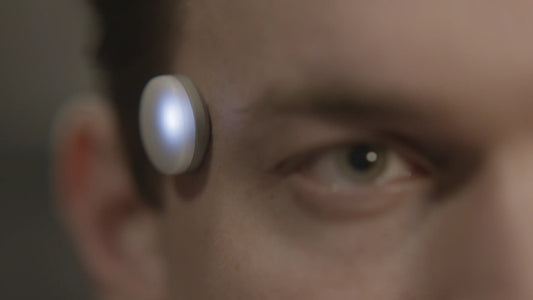
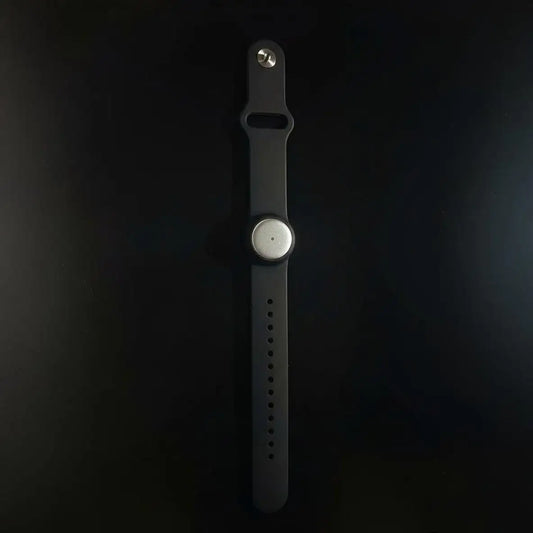
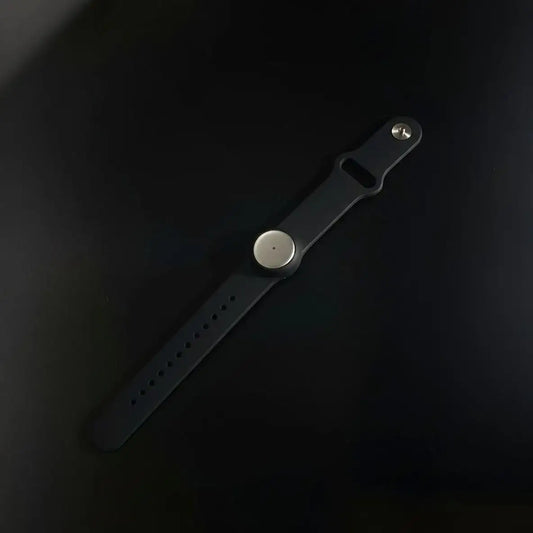
Omi is a tiny AI voice recorder plus an ai note taking app. You charge it overnight, wear it all day (as a necklace or wrist band, even under your shirt), and it transcribes everything you say and hear. The app turns that into searchable ai notes, summaries, tasks, and memories—plus you can chat with your transcript to pull hooks, quotes, outlines, and next steps. It supports 25+ languages, works online or offline, and can use speech profiles for better speaker recognition. Omi is free for up to 1,200 minutes; unlimited is about $16/month on the annual plan. Always get permission before recording other people.
If you create content for a living, your biggest enemy is not a lack of ideas. It is the gap between the moment an idea happens and the moment you actually capture it. Hooks appear while you are walking. A perfect line shows up mid-shower. A client says “that angle is the one” on a call—and you swear you’ll remember it, then you don’t.
That is why so many creators end up looking for a note taker, better note taking workflows, and a dependable note taker app that can do voice recording and transcription. The goal is simple: turn voice to notes without friction, so the raw material of your day becomes content you can ship.
This guide shows exactly how Omi works for content creators, how it turns real life into clean notes you can reuse, and how to use it responsibly (yes, you should always get permission before recording).
What Omi is (and why it fits content creators)
Omi is a wearable voice recorder with transcription plus a companion app. You wear the device to capture what you hear and say throughout the day, and the app uses AI to create a transcript, then converts that transcript into structured ai notes: summaries, action items, and memories you can search later.
In plain terms: Omi is the “capture layer” and the app is the “make it useful” layer. Together, they turn voice recording and transcription into voice to notes—so your creative process stops relying on memory.
That matters across basically every creator lane, because the bottleneck is the same even if the content is different. Omi fits naturally for:
- Entertainment and comedy (saving punchlines, bits, and timing ideas before they disappear)
- Gaming and livestreaming (stream recaps, clip timestamps, “next stream” plans)
- Lifestyle and vlogs (story beats, shot lists, and voice-over drafts)
- Music and performance (lyrics ideas, rehearsal notes, setlist tweaks)
- Beauty and skincare (product notes, claims, routines, before/after talking points)
- Fashion and style (look breakdowns, brand talking points, styling rules)
- Fitness and sports (workout programming notes, coaching cues, content series plans)
- Food and drink (recipe changes, tasting notes, filming steps)
- Education and how-to (lesson plans, outlines, examples, FAQs)
- Tech and gadgets (spec notes, comparisons, pros/cons, review scripts)
Omi is also designed to feel modern and wearable: discreet, minimal, and comfortable. That is not a small detail. A creator tool that is annoying to wear or manage quickly gets abandoned. A tool you barely notice is the one that becomes your daily system.
And because Omi is open-source (open hardware + software), it is built for long-term flexibility. You can build on it, extend it, and avoid being stuck in a closed black box—especially important if you have a real workflow, a team, and deadlines.
How Omi works for creators (all-day capture)
Creators usually want one thing: a capture system that does not interrupt creation. Omi is designed around that routine: charge at night, wear it during the day, and let the app handle everything that normally steals your attention.
1) Charge overnight, then wear it like a necklace or wrist band
Omi fits into a simple habit. You charge it overnight, then wear it all day—either as a necklace (pendant style) or as a wrist band accessory. It can also sit under your shirt if you want it out of sight on camera. The main point is consistency: same placement, same routine, fewer “I forgot to capture it” moments.
2) Capture everything you say and hear, with live or offline recording
This is the core of ai note taking for content creators: you do not have to open an app, start a recording, name a file, remember where you saved it, then come back later. You just live your day. Omi can transcribe in real time when connected, and it can also record offline when you are in a bad-signal environment (travel days, backstage, noisy venues, or anywhere you do not want to depend on connectivity).
So whether you need a “live” workflow or a “capture now, sync later” workflow, you still get the outcome you want: voice recorder to transcript, then transcript to structured notes.
3) Automatic summaries, tasks, and memories (not just a wall of text)
A transcript is helpful, but creators usually need something more structured. Omi turns raw transcription into ai notes you can actually use:
- Summaries so you can see the point of a session in 15 seconds
- Tasks so decisions become actions (edit this, clip that, send this to a brand, follow up)
- Memories so important moments don’t get buried
This is where a generic recorder becomes a real note taker app for creative work.
4) Tap, talk, and get answers in the app (AI chat + web context)
Creators move fast. You do not want to “study your own transcript” like homework. With Omi, you can chat with the transcript inside the app. Ask things like:
- “Pull 10 hooks from this brainstorm.”
- “Give me a 30-second script version and a 60-second version.”
- “List the strongest quotes and where they happen.”
- “Turn this into a shot list and an editing checklist.”
And when you need to go deeper, the AI can connect to the internet to complement what you captured—useful for education creators, tech reviews, and anything research-heavy.
5) Organize everything: folders, starred, quick sharing, and search
If you have ever lost a good idea inside a messy notes app, you know the pain. Omi keeps content organized with simple mechanics:
- Folders for campaigns, clients, series, and channels
- Starred (favorites) so the best sessions are always one tap away
- Quick share for transcripts and summaries when you work with editors or partners
- Search across summaries, tasks, and memories so you can find “that line” fast
It is the difference between “I recorded something” and “I can reuse this anytime.”
6) Creator-grade extras: languages, speech profiles, daily recaps, brain map
Omi is built for real-world creators who work with different audiences and teams:
- 25+ languages (single language, multi-language, and translation)
- Speech profiles for more accurate speaker recognition across conversations
- Daily recaps that summarize your day so you don’t forget decisions and ideas
- Brain map that connects memories and notes so you can see patterns and themes
For many creators, the daily recap becomes the “creative inbox” you review once per night: what to post, what to edit, what to follow up on, what idea to expand tomorrow.
7) Connect everywhere: mobile, desktop, web, Apple Watch
Omi is not locked to one device. You can use the mobile apps (iOS + Android), a Mac desktop app, and a web app in any browser. Apple Watch recording is supported too. That matters because creators don’t work in one place: studio, car, airport, set, kitchen, gym, backstage—same workflow everywhere.
8) Automate work: tasks, app marketplace, custom tools
Omi can sync tasks to your favorite task manager, and it supports custom summary templates (more on that below). There is also an apps marketplace with thousands of tools, which is useful when you want to connect Omi notes into a bigger workflow.
And if you are technical (or work with someone who is), Omi supports an API and MCP server so you can work with your data, plus options like custom STT providers and one-click AI app creation. You can even ship apps to the Omi app store (paid or free).
Voice to notes AI: from audio to publishable assets
The fastest way to get value from Omi is to stop trying to “remember everything” and start building a capture habit. This is the real promise behind ai note taking for content creators: not more content in your life, but less mental load—and a cleaner path from idea to publish.
A simple creator workflow that actually works
- Before you start: decide the session goal (brainstorm, client call, shoot notes, stream debrief). If other people are involved, get clear permission to record.
- During capture: stay present. Press the device button to mark moments you want later (hooks, quotes, timestamps, decisions).
- Right after (2–5 minutes): skim the summary, star the session if it matters, and move it into the right folder (client / series / platform).
- When you create: use chat to turn transcript into scripts, captions, outlines, shot lists, and tasks. This is where voice recorder to transcript becomes voice to notes you can publish.
Top 10 creator situations where Omi is a cheat code
- Hook hunting while walking: record 20 hook attempts in 10 minutes. In the app, ask for the best 5 and why they work. Instant hook bank, no typing.
- Comedy writing on the fly: capture bits, tags, and alternate punchlines as they happen. Later, ask the AI to group them by theme and suggest transitions.
- Livestream debrief: right after a stream, talk through what popped off, what to clip, and what to try next time. Turn it into a clipping plan + next stream agenda.
- On-set direction for editors: record quick “editor notes” during a shoot: which takes were best, what the intent was, what to cut. Your editor gets clarity, you get fewer revisions.
- Brand calls and deliverables: capture decisions, requirements, talking points, and deadlines. Convert it into tasks and a compliance checklist so nothing slips.
- Podcast/interview workflows: prep questions as a voice dump, then refine into a run-of-show. After the interview (with consent), pull quotes, titles, and clip timestamps.
- Tech review scripting: talk through first impressions, pros/cons, and comparisons while you are using the product. Ask the AI to draft a script and an on-screen bullet version.
- Beauty/skincare routines: capture product names, claims, steps, and results as you test. Turn it into a structured routine post and a short-form voiceover script.
- Fitness coaching content: record coaching cues and workout structure during training. Convert it into a program outline, a reel script, and a weekly content series.
- Food content on a deadline: record recipe changes, timings, and plating notes while cooking. Then generate a clean recipe card and a step-by-step shooting sequence.
Notice what is happening here: every situation is the same pipeline—capture raw reality, convert it to structured ai notes, then ship. That is what a real ai note taking app should do for creators.
How Omi supports different creator categories (without changing your style)
- Gaming and livestreaming: use speech profiles to separate “you vs. chat vs. co-host,” then generate a recap, highlights, and clip list.
- Education and how-to: ask the AI to create lesson outlines, examples, quiz questions, and simplified explanations from your transcript.
- Tech and gadgets: build a repeatable template for reviews (specs, usability, comparisons, verdict) so your notes become consistent scripts.
- Entertainment and comedy: create a punchline library with tags, then search later when you need a strong closer.
- Lifestyle and vlogs: capture story beats while you’re living them, then turn into a tighter narrative voiceover.
Best practices for recording and transcription
Placement and audio tips (small changes, big difference)
- Pick a consistent spot: necklace or wrist band, same placement most days. Consistency usually improves transcription quality.
- Reduce “enemy noise” when you care about accuracy: wind, loud music, crowded rooms, and clinking dishes can muddy any recorder.
- Do a 10-second test: if it’s a critical call or shoot, confirm transcription is working before you commit.
- Use offline recording when needed: if you’re traveling or in a low-signal location, capture first and sync later.
Speech profiles: the underrated feature for creators
Creators often collaborate: co-hosts, guests, clients, editors, producers. When a transcript mixes voices, the notes get messy. Speech profiles help improve recognition across conversations, so your summaries and tasks are clearer and your team workflows get faster.
Bookmarking matters more than you think
If you do only one “active” thing while recording, do this: mark moments. Use the device button to flag hooks, quotes, decisions, timestamps, and “that was good, I want it later” moments. It turns a long transcript into a fast edit plan.
Build a personal dictionary for names and jargon
Transcription usually breaks on handles, product names, niche terms, and brand jargon. Omi lets you add words to a personal dictionary so your voice recorder with transcription gets cleaner over time. For creators, that is huge: fewer corrections, more reuse, better speed.
Language support for global creators
If you create for multiple audiences, Omi supports 25+ languages, including multi-language and translation. That can turn a single capture session into notes you can repurpose across markets—without rebuilding everything from scratch.
Summary templates and custom creator templates
A transcript is useful. A structured summary is what turns it into content. Omi lets you choose from multiple summary templates and also create your own custom template—so your note taking matches your workflow instead of a generic format.
High-performing creator summary templates (examples)
- Hook bank: hooks grouped by angle (curiosity, story, proof, controversy, tutorial).
- Script builder: cold open, beats, transitions, CTA, and optional B-roll notes.
- Clip finder: timestamps + why each segment is clip-worthy.
- Brand deliverables: talking points, claims, required shots, and approval checklist.
- Production tasks: editing checklist, thumbnail notes, posting plan, repurposing plan.
- Livestream recap: highlights, audience moments, next stream plan, titles.
A custom creator template you can copy
Title: [Project + Platform + Topic]
1) 10-second summary (what this becomes)
2) Audience + promise (who it’s for, why they care)
3) Hook options (10)
4) Core beats (5–9 bullets)
5) Proof points / examples / sources to include
6) Quote pulls (best lines)
7) Shot list (A-roll + B-roll) or on-screen beats
8) CTA + next step
9) Tasks (edit, clip, thumbnail, publish, repurpose)
This is where Omi becomes more than a recorder. It becomes a repeatable content system: capture once, generate structured ai notes, then reuse in the formats you actually publish.
AI note taking app free: pricing and why it is worth it
Creators often want to test before committing. Omi includes a free tier that covers up to 1,200 minutes of recording (what you hear and say) and transcription.
- Free: up to 1,200 minutes of recording and transcription.
- Unlimited: about $16 per month on the annual plan.
The value argument is simple. If Omi saves you a few hours a week (less rewinding, fewer lost ideas, clearer handoffs to editors, faster scripts), it pays for itself quickly. And honestly, the hidden win is consistency: you stop losing the best moments because you were “too busy to write it down.”
Privacy, security, and consent (read this part)
Always get permission before recording
You should always ask for consent before recording other people—especially colleagues, clients, guests, or your boss. In work environments, the clean approach is to request approval from your team lead, manager, or director before using any recording workflow. Rules vary by location and context, and you are responsible for following them.
Enterprise-grade security and data ownership
Omi is open-source and designed with enterprise-level safety in mind, including SOC 2 and HIPAA compliance positioning. Your data is protected with encryption (TLS in transit and AES-256 at rest). You can export your data, delete items, and wipe your data anytime.
There is also an option to run everything locally to skip cloud processing, which is a big deal if you handle sensitive client conversations or private creative work.
Where Omi is built
Omi is developed in San Francisco, California, United States. The product focus shows in the design: minimal, modern, and made to disappear into daily life—so it supports your process instead of becoming another gadget you manage.
FAQ
Is Omi good for ai note taking for content creators?
Yes, especially if your biggest pain is losing ideas, forgetting decisions from calls, or wasting time rewinding recordings. Omi is built to capture hands-free, then convert voice recording and transcription into structured ai notes you can turn into scripts, captions, and tasks.
Is Omi a note taker app or a device?
Both. It is a wearable recorder plus a note taker app. The device captures audio; the app creates the transcript and turns it into notes, summaries, tasks, and searchable memories.
Does it work as a voice recorder to transcript tool?
Yes. That is the foundation: voice recorder to transcript, then transcript to voice to notes, with AI chat so you can extract hooks, outlines, quotes, and action items without manual cleanup.
Can I organize and share notes with my team?
Yes. You can use folders and starred sessions for organization, and you can quickly share transcripts and summaries when appropriate—useful with editors, producers, agencies, and brand partners.
Does Omi support offline recording?
Yes. You can record offline and sync later, which is helpful for travel days, venues with poor signal, or any time you want a capture-first workflow.
How do I improve transcription accuracy?
Use consistent placement, reduce background noise when possible, enable speech profiles for better speaker recognition, and add brand terms and jargon to your personal dictionary. Those small steps usually make a big difference in transcription quality.
Is there a free option?
Yes. Omi includes a free tier with up to 1,200 minutes. If you need more, the unlimited annual plan averages about $16 per month.
Quick takeaway
If you want a note taker that fits creator life, Omi is built for a simple routine: charge it at night, wear it during the day, capture what you hear and say, get a voice recorder with transcription, generate ai notes, organize with folders and starred sessions, and use AI chat to turn transcripts into scripts, hooks, clip lists, and tasks. It is ai note taking for content creators that actually keeps up.

 www.omi.me