Omi is the best ai note taking for attorneys & lawyers: capture conversations, get clean case notes, and move faster with Omi!
TL;DR
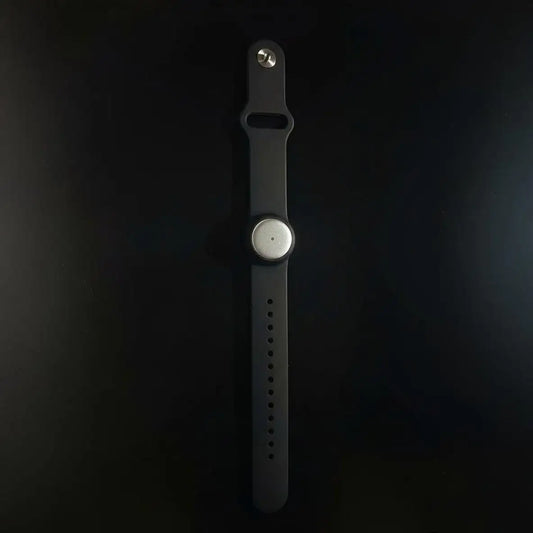
Omi is a small AI voice recorder plus an ai note taking app. You charge it overnight, wear it during the day (necklace or wrist band, even under a shirt), and use it as a hands-free note taker for legal work. The app can transcribe in real time, turn voice recording and transcription into structured ai notes (summaries, tasks, and searchable transcripts), and let you chat with the transcript to extract facts, deadlines, and next steps. It is free for up to 1,200 minutes, with an unlimited plan for about $16/month (annual). Always get consent before recording and follow your jurisdiction, court rules, and firm policy.
In law, the work is spoken. Clients talk. Witnesses talk. Teammates talk. Opposing counsel talks. And the most expensive mistakes often start small: a date that gets swapped, a quote that gets softened, a “we agreed to…” that was never actually agreed to.
That’s why so many attorneys keep searching for ai note taking for lawyers or attorneys, a note taker app, or a voice recorder with transcription. The real problem is not “I need more notes.” It’s: “I need accurate capture, fast recall, and a way to turn conversations into work product without wasting my night replaying audio.”
This guide shows how Omi works for lawyers, how to use it responsibly, and how to turn voice to notes into a clean workflow you’ll actually stick with.
What Omi is (and why it fits lawyers)
Omi is a wearable AI voice recorder plus a companion app. You wear the device to capture what’s said, and the app turns that audio into a transcript and structured notes. In practice, it behaves like a professional note taker that doesn’t interrupt the conversation.
It’s important to be clear about the split:
- The recorder is for capture (hands-free, discreet, always available).
- The app is for transformation (transcription, summaries, tasks, search, and AI chat).
This is what makes it different from “just another recording app.” A typical recording app gives you a file. A legal workflow needs something you can use: a searchable transcript, a clean summary you can reference later, and a fast way to extract action items, facts, and deadlines.
Omi is also designed to look and feel modern. It is discreet, minimal, and stylish, and it is one of the smallest devices in this category. That matters because consistency is everything. If the device is annoying, you stop using it. If it’s comfortable, it becomes your default.
And yes, this fits more than one corner of law. The same “capture + structure + search” loop helps a wide range of practices, including:
- Criminal defense lawyer / defense attorney
- Prosecutor / district attorney (DA) / assistant district attorney (ADA)
- Family lawyer (divorce, custody)
- Personal injury lawyer
- Immigration lawyer
- Employment lawyer / labor lawyer
- Business lawyer / corporate lawyer
- Contract lawyer
- Real estate lawyer
- Estate planning lawyer (wills, trusts) and probate lawyer
- Tax lawyer and bankruptcy lawyer
- Intellectual property (IP) lawyer (patents, trademarks, copyrights) and patent attorney
- Civil rights lawyer
- Medical malpractice lawyer and healthcare lawyer
- Insurance defense lawyer
- Environmental lawyer, securities lawyer, antitrust lawyer, construction lawyer, energy lawyer
- International trade lawyer, entertainment lawyer, sports lawyer
Different workflows, same pain: important details are said out loud, quickly, under pressure.
How Omi works for legal work
The easiest way to adopt Omi is to treat it like a daily routine, not a “special tool.” Charge it at night. Wear it during the day. Use the app to turn conversations into notes you can act on.
1) Charge overnight, then wear it all day
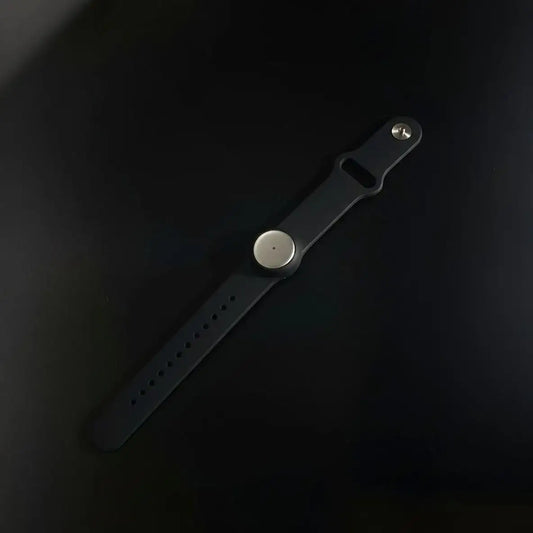
Omi is meant to be simple: charge while you sleep, then wear it during your workday. You can wear it as a necklace (pendant style) or with a wrist band accessory. If you prefer maximum discretion, it can sit under your shirt—just remember discretion is not a substitute for consent. In law, you want clean habits: ask permission, then record.
2) Capture conversations and get live transcription in the app
When connected, Omi can capture audio and provide live transcription in the app. That means your note taking can happen without pulling you out of the conversation. You stay focused on the client or witness. Later, you review a transcript instead of guessing what was said.
This is the core “voice recorder to transcript” promise, but with a legal twist: the output isn’t just text. It becomes structured ai notes you can search and reuse.
3) Use the device button to mark moments and trigger follow-ups
One practical trick: press the button when something matters. A date. A dollar figure. A key admission. A condition for settlement. A name you know you’ll need to spell correctly later.
Then, in the app’s AI chat, you can ask targeted questions like:
- “List every deadline mentioned and who owns it.”
- “What did the client say about prior warnings and when?”
- “Pull the exact language about the alleged agreement.”
- “Summarize the witness’s timeline in chronological order.”
This is where a basic recorder stops and an ai note taking app starts.
4) Organize by matter, favorite what matters, and share internally when appropriate
Omi lets you organize conversations into folders (by client, matter, case number, or topic). You can favorite the critical ones so they don’t get buried. When your policies allow, you can share summaries with your team to keep everyone aligned.
For busy practices, this is a big deal. The problem is rarely “I didn’t record.” It’s “I can’t find it” or “I can’t turn it into something usable fast.”
5) Use web-connected AI to go deeper (without losing the transcript)
After you capture the conversation, AI becomes your second pass. The app can help you shape the transcript into an intake memo, a chronology, a question list for the next call, or a checklist of documents to request. And because the AI can connect to the internet, it can help add general context (definitions, background explanations, common frameworks) while your transcript remains the anchor.
Always verify and apply professional judgment. But as a workflow, it’s a strong way to move from “talk” to “work product.”
Meeting to notes AI: from audio to case-ready work product
Most lawyers don’t need more raw recordings. They need voice to notes that they can trust and reuse. That means: capture → transcript → structured notes → next actions.
This is what “ai note taking for lawyers” should feel like in real life: you leave a call with clarity, not a pile of scribbles and a vague memory.
A simple workflow that works (and scales)
- Before the call/meeting: get consent to record. Open the app and confirm transcription is working.
- During: stay present. Press the device button for key moments.
- Right after (5 minutes): skim the summary, favorite it if important, file it into the right folder.
- Work block: use AI chat to extract facts, build a chronology, generate follow-up questions, and produce a task list.
Top 10 situations where lawyers use Omi (and the benefit)
- Client intake calls: cleaner fact capture, fewer missed details, faster file creation.
- Initial consultations: a structured summary you can reference later, plus a document request list.
- Witness interviews: searchable transcript, timeline extraction, and a follow-up question set.
- Deposition prep: turn prep sessions into an outline, key issues list, and “don’t forget” points.
- Depositions (where permitted): faster recall of critical testimony and easier indexing of themes.
- Settlement negotiations / mediation: track offers, conditions, and deadlines accurately.
- Internal case strategy meetings: decisions made, who owns what, and what’s due when.
- Discovery standups: document production decisions, privilege concerns, and follow-up tasks.
- Expert calls: capture technical explanations, then ask the AI to simplify and outline takeaways.
- CLEs and trainings: turn learning into reusable checklists and practice-ready notes.
Notice how many of these are “spoken and fast.” That’s exactly where a wearable note taker helps most.
Why this beats “typing harder”
- Better presence: you can listen and respond instead of performing live transcription with your hands.
- Better accuracy: you can pull exact wording later instead of paraphrasing from memory.
- Better follow-through: tasks and action items come out of the conversation, not your best intentions.
- Better organization: folders + favorites + search means you can find the right note in seconds.
This is what lawyers usually mean when they search for a voice recorder with transcription or note taker app. Not “cool AI.” Just: less chaos, more clarity.
Best practices for recording legal conversations (so the transcript is actually good)
1) Start with consent, every time
Get explicit permission before recording. Consent laws vary (one-party vs. all-party consent), and court settings may have separate rules. Your firm may also have stricter policies than local law. The safest routine is simple: ask, confirm, then record.
2) Placement and room choices matter more than “AI magic”
- Distance: closer is better. Across a large conference room will always hurt transcription quality.
- Noise: avoid loud hallways, coffee grinders, and HVAC vents when you can.
- Quick test: do a 10-second test to confirm transcription is appearing before it matters.
3) Mark moments instead of trying to remember later
If you do one active thing during the conversation, press the device button for key points: dates, amounts, admissions, conditions, and “we will…” commitments. It turns a long transcript into a practical file.
4) Use a personal dictionary for names, citations, and technical terms
Transcription breaks on proper names and jargon. Omi lets you add words to a personal dictionary—client names, company names, acronyms, medical terms in PI cases, industry jargon in employment disputes, technical product names in IP matters. This improves accuracy and reduces cleanup.
If you’re evaluating tools, focus on the workflow: reliable voice recording and transcription, fast summaries, and search. That’s what makes a “good” voice recorder to transcript setup feel professional.
Summary templates and custom legal templates
A transcript is useful, but a structured summary is what makes it usable. Omi lets you choose different summary templates and also create your own custom template, so your ai notes come out in the format you actually need for your practice.
High-performing legal summary templates (examples)
- Client intake memo: facts, goals, key dates, requested documents, risks, next steps.
- Chronology builder: events in order, gaps to verify, sources mentioned.
- Witness interview memo: key statements, inconsistencies, corroboration needs, follow-ups.
- Deposition outline: key testimony, exhibit mentions, contradictions, question list.
- Settlement recap: offers, conditions, non-monetary terms, deadlines, action items.
- Team standup notes: decisions, tasks, owners, due dates, blockers.
A custom legal template you can copy
Title: [Client / Matter / Date]
1) 10-second summary
2) Parties + roles (who is who)
3) Key facts (chronology bullets)
4) Key quotes (exact language when important)
5) Disputed points / inconsistencies
6) Documents mentioned (missing / promised / needed)
7) Deadlines and dates (with owner)
8) Action items (owner + due date)
9) Follow-up questions for next call
This is where Omi starts to feel like the ai note taking app you keep long-term: your output becomes consistent, searchable, and easy to share internally.
Voice to notes AI free: pricing and why it is worth it
Many people want to test before committing. Omi includes a free tier that covers up to 1,200 minutes of recording and transcription, which is enough to validate the workflow in real legal work (a week of intakes and meetings goes a long way).
- Free: up to 1,200 minutes of recording and transcription.
- Unlimited: about $16 per month on the annual plan.
The math is simple. If you save even a couple of hours per week by avoiding rewinding, rewriting, and hunting for details, it pays for itself. The bigger win is reliability: fewer missed tasks, fewer misquotes, fewer “I thought you said…” moments.
Privacy, security, and consent (read this part)
Always get permission before recording
You should always ask for consent before recording conversations. Laws vary widely by jurisdiction and scenario, and court settings may have additional restrictions. Your firm may also have specific policies about client communications, confidentiality, and retention. Follow the strictest rule that applies to you.
Security and trust
Omi is open-source and is positioned with enterprise-grade compliance, including SOC 2 and HIPAA. For legal work, security isn’t a nice-to-have. You may be handling sensitive personal information, medical details, or confidential strategy discussions. Use Omi in a way that matches your professional obligations and internal policies.
Where Omi is built
Omi is developed in San Francisco, California. The product focus shows in the design: minimal, modern, and made to blend into daily life without feeling like a bulky gadget.
FAQ
Is Omi a good ai note taking app for lawyers?
Yes, especially if your main pain is capturing conversations reliably and turning them into usable notes and follow-ups. The wearable recorder plus transcription, summaries, folders, favorites, and AI chat fits legal workflows well.
Does it work as a note taker app and a voice recorder with transcription?
That is the core workflow: use the wearable recorder to capture audio, then use the app for voice recording and transcription, structured ai notes, organization, and Q&A through AI chat.
What’s the difference between voice recorder to transcript and voice to notes?
Voice recorder to transcript is the conversion from audio to text. Voice to notes is the next step: turning that text into structured summaries, action items, and searchable information you can reuse later.
Why do I keep seeing “best ai medical scribe” when I search for legal note tools?
Because the underlying need is similar: professionals want a “someone listened so I don’t have to write everything” workflow. Searches like best ai medical scribe, free ai medical scribe, or ai doctors note generator free often surface when people really want an AI-driven note system. For lawyers, the right fit is a system built around client conversations, meetings, and case organization—not clinical documentation.
Do I need permission to record client calls or meetings?
Yes. Always get consent and follow your jurisdiction’s consent rules, court rules, and your firm’s policies. When in doubt, ask explicitly and document permission.
How do I improve transcription accuracy for names and legal terms?
Add names and matter-specific vocabulary to your personal dictionary, reduce background noise when possible, and mark key moments during the conversation so review is fast and accurate.
Is there a free option?
Yes. Omi includes a free tier with up to 1,200 minutes. If you need more, the unlimited annual plan averages about $16 per month.
Quick takeaway
If you want ai note taking for lawyers that feels practical—not gimmicky—Omi is built around a simple routine: charge it overnight, wear it during the day, capture conversations hands-free, get live transcription, generate structured ai notes, organize by matter with folders and favorites, and use AI chat to extract facts, tasks, and next steps.

 www.omi.me