|

|  How to Integrate Microsoft Azure Cognitive Services with Slack

How to Integrate Microsoft Azure Cognitive Services with Slack

January 24, 2025

Learn to connect Microsoft Azure Cognitive Services with Slack seamlessly. Enhance team communication with AI capabilities in a few easy steps.

How to Connect Microsoft Azure Cognitive Services to Slack: a Simple Guide


Introduction to Integration


  • Before proceeding, ensure you have accounts and familiarity with both Microsoft Azure and Slack.
  •  

  • Understand the use case for integrating Azure Cognitive Services with Slack, such as enabling sentiment analysis, language translation, or image recognition on Slack messages.


Set up Azure Cognitive Services


  • Log in to the Azure Portal.
  •  

  • Navigate to "Create a resource" > "AI + Machine Learning" and select the specific Cognitive Service you need, such as Text Analytics, Translator, or Computer Vision.
  •  

  • Configure your resource: Provide a unique name, select a subscription, choose a resource group, and pick a pricing tier.
  •  

  • After creation, go to the resource's overview page to copy the endpoint URL and key. These will be used later for API calls.


Set up a Slack App


  • Go to the Slack API portal and create a new app.
  •  

  • Choose a development workspace where your app will be installed.
  •  

  • Under "OAuth & Permissions," add appropriate scopes. For example, add `channels:history` and `chat:write` for reading messages and posting responses.
  •  

  • Install the app to your workspace and retrieve the OAuth token.


Build a Middleware for Integration


  • Create a middleware service using a language or framework of your choice (e.g., Node.js, Python, or Java).
  •  

  • This service will receive messages from Slack, send data to Azure Cognitive Services, and return the processed output back to Slack.
  •  


Example in Node.js:

const express = require('express');
const axios = require('axios');

const app = express();
app.use(express.json());

const azureEndpoint = 'YOUR_AZURE_ENDPOINT';
const azureKey = 'YOUR_AZURE_KEY';

const slackToken = 'YOUR_SLACK_TOKEN';

app.post('/slack/events', async (req, res) => {
    const { type, text, channel } = req.body.event;
    if (type === 'message') {
        try {
            const azureResponse = await axios.post(
                azureEndpoint,
                { documents: [{ id: '1', language: 'en', text }] },
                { headers: { 'Ocp-Apim-Subscription-Key': azureKey } }
            );

            const sentiment = azureResponse.data.documents[0].score;

            await axios.post(
                'https://slack.com/api/chat.postMessage',
                { channel, text: `Sentiment score: ${sentiment}` },
                { headers: { 'Authorization': `Bearer ${slackToken}` } }
            );
            res.sendStatus(200);
        } catch (error) {
            console.error(error);
            res.sendStatus(500);
        }
    }
});

app.listen(3000, () => console.log('Server is running on port 3000'));


Configuring Slack Event Subscriptions


  • In the Slack API portal, navigate to "Event Subscriptions" and toggle the switch to "On."
  •  

  • Enter your middleware's public URL (e.g., `https://yourdomain.com/slack/events`). This requires your middleware to be exposed to the internet; consider using a service like ngrok for local development.
  •  

  • Add the necessary bot events, such as `message.channels` to get messages from public channels.


Test the Integration


  • Post a message in a Slack channel where your app is a member.
  •  

  • Monitor your middleware console and Azure resource for logs to ensure data is being processed correctly.
  •  

  • Check Slack for the formatted response generated by your middleware utilizing Azure's Cognitive Services.


Troubleshoot and Secure


  • Secure your middleware by validating requests from Slack to prevent unauthorized access.
  •  

  • Implement logging within your middleware to effectively trace and troubleshoot errors.
  •  

  • Regularly rotate API keys and tokens, and take advantage of Azure and Slack’s security features.

 

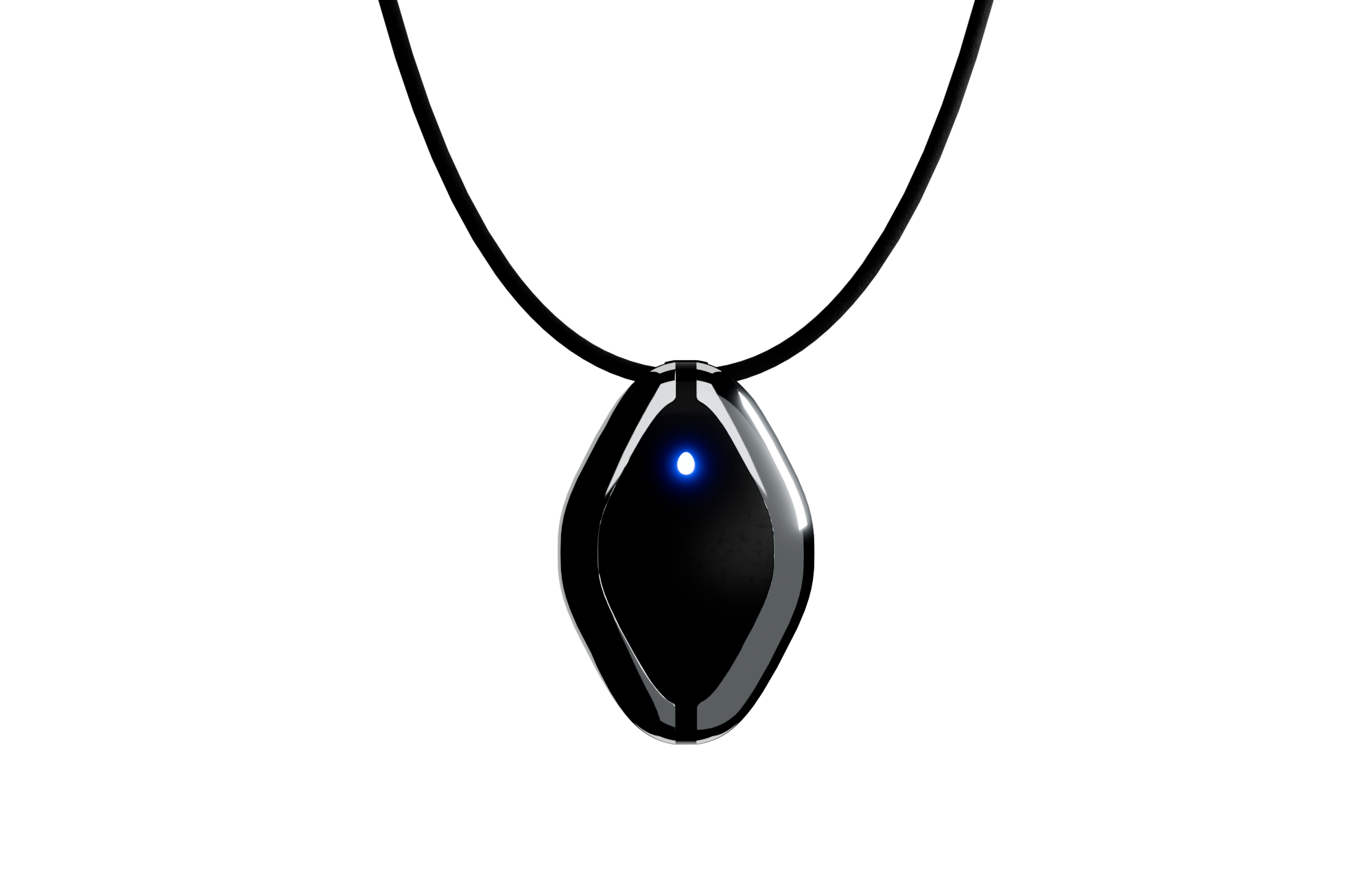
Omi Necklace

The #1 Open Source AI necklace: Experiment with how you capture and manage conversations.

Build and test with your own Omi Dev Kit 2.

How to Use Microsoft Azure Cognitive Services with Slack: Usecases


Use Case: Enhancing Productivity through Intelligent Slack Automation


  • Automate Task Management by triggering Slack notifications based on project deadlines extracted from uploaded documents using Azure Text Analytics.
  •  

  • Utilize Azure Translator API to translate messages in Slack channels, fostering seamless communication among global teams. This ensures language is never a barrier in team collaboration.
  •  

  • Integrate Azure Speech Services to enable voice command functionalities in Slack. Members can respond to messages or trigger specific actions within channels through voice inputs, converting speech to text seamlessly.
  •  

  • Implement Azure Computer Vision to analyze images posted in Slack channels, automatically generating descriptive tags or alt text to enhance accessibility and content discoverability.
  •  

  • Deploy sentiment analysis tools via Azure Text Analytics to monitor team mood and engagement, allowing management to proactively address any emerging issues by identifying negative sentiment patterns in team communications.


# Example of integrating Slack with Azure Text Analytics for sentiment analysis
# Note: This is a simplified version and would need setup with Slack and Azure APIs

import slack_sdk
from azure.ai.textanalytics import TextAnalyticsClient
from azure.core.credentials import AzureKeyCredential

def analyze_sentiment(text):
    client = TextAnalyticsClient(
        endpoint="https://<your-cognitive-service-endpoint>.cognitiveservices.azure.com/",
        credential=AzureKeyCredential("<your-cognitive-service-key>")
    )
    response = client.analyze_sentiment(documents=[text])[0]
    return response.sentiment

def respond_to_slack_event(event_data):
    slack_message = event_data["event"]["text"]
    sentiment = analyze_sentiment(slack_message)
    # Respond in Slack based on sentiment
    if sentiment == "negative":
        # Example action: notify HR or team leader
        post_message_to_slack("Team leader has been notified of negative sentiment.")

# Set up authentication and event listeners for Slack as per Slack API documentation


Use Case: Streamlining Customer Support through Azure Cognitive Services and Slack Integration


  • Implement Azure Language Understanding (LUIS) to process and categorize support queries received via Slack, ensuring they are routed to the appropriate department swiftly.
  •  

  • Utilize Azure Bot Services to enable an intelligent chatbot in Slack that can handle frequently asked questions, reducing the load on live agents and improving response times.
  •  

  • Leverage Azure Cognitive Search to provide Slack users with a powerful search tool that delivers relevant documentation or previous solution threads from an internal knowledge base, enhancing problem-solving efficiency.
  •  

  • Integrate Azure Form Recognizer to extract and process data from forms or receipts uploaded in Slack channels, automating data entry tasks and reducing manual error.
  •  

  • Deploy Azure Personalizer to deliver personalized Slack notifications and recommendations to support staff, suggesting actions based on past interactions and user preferences.


# Example code demonstrating Azure Bot Service integration with Slack
# This setup would additionally require Azure and Slack configuration

from slack_sdk import WebClient
from slack_sdk.errors import SlackApiError

def handle_user_query(query):
    # Assume this function interacts with Azure LUIS to process the query
    intent = get_query_intent(query)
    response = generate_response_based_on_intent(intent)
    return response

def post_message_to_slack(response_text, channel_id):
    client = WebClient(token="<your-slack-bot-token>")
    try:
        client.chat_postMessage(channel=channel_id, text=response_text)
    except SlackApiError as e:
        assert e.response["error"]

# Sample usage:

event_data = {"channel": "#support", "text": "How do I reset my password?"}
response_text = handle_user_query(event_data["text"])
post_message_to_slack(response_text, event_data["channel"])


Omi App

Fully Open-Source AI wearable app: build and use reminders, meeting summaries, task suggestions and more. All in one simple app.

Github →

Order Friend Dev Kit

Open-source AI wearable
Build using the power of recall

Order Now