This Sales summaries with AI workflow helps you automate the part of sales that everyone hates: turning real conversations into a clean sales summary, a tailored follow-up, and a usable record you can hand to your team or push into your ai sales crm process when needed. It works for phone calls, Zoom and Google Meet, in-person meetings, conference conversations, and quick coffee chats that still move a deal.
Omi is ai for sales notes that gives you a baseline automatically: it can apply the summary template you choose and extract notes, tasks, and to-dos after the conversation. Then, to go deeper, you open Omi chat and talk to that exact conversation to pull out objections, stakeholder roles, buying criteria, and a follow-up message that sounds like you were actually paying attention.
If you are comparing ai sales tools or the best ai tools for sales, this is the real test: can it consistently produce a sales summary that is accurate, actionable, and fast enough that you do it after every meeting. That is how “sales notes summarizes” the deal into momentum, not paperwork.
Why sales summaries matter
A sales summary is the actionable written memory of what the buyer said, what they care about, and what happens next. It prevents missed opportunities because it captures pain points, objections, buying criteria, and the next step that keeps the deal alive. It also helps you personalize follow-ups in a way that builds trust, because you can reference details that are actually theirs, not generic.
Sales notes are essential, but the work of writing them is low leverage for a salesperson. They do not win deals by typing. They win deals by listening, asking better questions, and building relationships. Your written memory should exist, but it should not steal attention during the conversation or steal time after. This is exactly where ai for sales notes becomes practical, not gimmicky.
- Key information captured: customer goals, pain points, specific product or service interests, objections, and agreed-upon next steps that keep momentum.
- Improvement of follow-ups: when you can refer back to specific details, your follow-ups feel personal, and personalization is what earns replies.
- Team collaboration: a good sales summary gives marketing, product, and support context fast, so handoffs are smoother and you stop restarting discovery.
- Pipeline management: tracking progress in plain language helps reps identify where prospects truly are, which improves forecasting and reduces wishful thinking.
Technology matters here too. Modern CRMs (for example, Dynamics 365) can analyze notes and suggest tasks or meetings. When your sales summary is structured, it becomes fuel for smarter workflows in your ai sales crm stack. That is why the best workflow is not “notes for notes’ sake.” It is notes that drive action.
Who this workflow is for
This workflow is built for people who sell, lead sellers, or support the selling motion. It is also for anyone who needs clean handoffs. If you want less admin work and more selling time, this is for you. It is especially relevant to sales teams and leaders who do deals and need clean alignment.
- Sales Development Representative: capture discovery details and send sharper follow-ups without losing time between calls.
- Business Development Representative: keep early-stage conversations consistent, and hand off context that does not get diluted.
- Account Executive: turn every call into a sales summary plus next steps that keep deals moving.
- Senior Account Executive: reduce deal drift across complex, multi-threaded conversations.
- Enterprise Account Executive: preserve stakeholder nuance, procurement steps, and objection wording that kills deals when forgotten.
- Mid-Market Account Executive: move faster with consistent follow-up and less post-call admin.
- Account Manager: maintain relationship memory and expansion context across recurring touchpoints.
- Customer Success Manager: receive handoffs that include goals, risks, and what was promised, not just “call happened.”
- Sales Engineer: capture technical requirements, constraints, and evaluation criteria cleanly.
- Solutions Consultant: keep demos consultative and still leave with crisp notes and action items.
- Revenue Operations Manager: improve consistency and pipeline hygiene without forcing reps to write essays in the CRM.
- Sales Manager: coach from reality, not vague memory, and reduce “I will update later” gaps.
- Head of Sales or Sales Director: get clearer deal signals, risks, and next steps across the team.
- Founder or Owner: founder-led sales becomes repeatable when you keep structured notes and follow-ups.
- Chief Revenue Officer: better forecasting inputs because the sales summary captures decision dynamics and blockers early.
This is the difference between ai sales tools that look impressive and the best ai tools for sales that actually help you close.
What counts as a sales conversation
Anything that moves a deal forward counts, even if it was not on the calendar. This workflow covers discovery calls, demos, negotiations, renewals, expansions, and handoffs. It also covers the informal moments that change deals, a hallway chat after a demo, a quick coffee sync, a “quick call before I decide” moment.
- Online meetings: use the Omi desktop or web app to record online meetings and generate a sales summary you can act on.
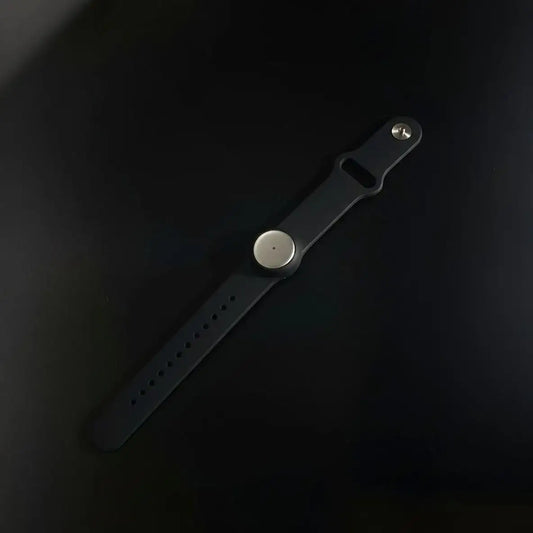
- In-person conversations: record hands-free using Omi as a necklace or wristband. For formal meetings, place it on the table like a dedicated recorder.
Your goal is simple: every one of these conversations should end with a usable sales summary and a clear next step. That is how “sales notes summarizes” real selling into momentum, not rework.
The moment you open Omi
Here is the key nuance: Omi can automatically apply the summary template you choose after the conversation, extracting notes, tasks, and to-dos as your baseline. That baseline is where ai for sales notes saves you the most time.
Then, to dig further and explore more, you open Omi chat and talk to that exact conversation. This is where you ask for stakeholder mapping, objection wording, buying criteria, competitor mentions, risk flags, and a follow-up message that sounds like it was written by a human who was actually listening.
In that post-meeting moment, you are answering five questions fast:
- What do they want and why now?
- What pain did they describe in their words?
- What objections or blockers showed up?
- Who else is involved in the decision?
- What is the next step with a date and owner?
The problem without an automated workflow
Salespeople know they need notes. They also know notes and CRM updates are the fastest way to kill momentum. This is the “sales admin tax,” it eats patience and it steals time from relationship building.
- You cannot listen deeply and take perfect notes at the same time. You miss hesitation, tone, and the real reason behind the problem.
- Follow-ups become generic. Without specific language and nuance, you sound like every other rep.
- Context leaks across back-to-back meetings. Deal details blur, and small mistakes compound.
- Relationship memory disappears. Preferences, constraints, and what they care about most get lost.
- Handoffs degrade. Marketing, product, and support do not get the real customer voice, so they restart discovery.
- Pipeline becomes noisy. Inconsistent notes lead to inconsistent stage confidence, and forecasting turns into guessing.
- CRM updates get delayed or skipped. “I will do it later” usually becomes “I did not do it.”
- Sales patience gets drained. They hate taking notes and writing into the CRM, but they need it, so it becomes a daily friction.
The result is brutal: less time selling, slower follow-ups, weaker personalization, and more missed opportunities. Most ai sales tools only feel useful if they reduce this tax in a way you will actually use every day.
What you gain with Omi
This is where the workflow pays off. Omi helps automate the boring part so you can spend your energy where deals are won: building trust, asking better questions, and moving the relationship forward. That is the point of ai for sales notes.
- Save time on boring note-taking work. Salespeople do not deserve to spend their best hours typing summaries.
- More time selling, less time documenting. More outreach, more follow-ups, more pipeline movement.
- Higher sales output. When you reclaim 30 to 60 minutes a day from note cleanup and CRM entry, you can sell more.
- Stay focused on the conversation. You stop worrying about capturing every detail and you listen properly.
- Better sales summary quality. Structured, consistent, searchable, and usable by your team.
- Better follow-ups. Specific, personal, and trust-building, because you reference what they actually said.
- Better collaboration. Marketing, product, and support get context fast, which improves handoffs.
- Better pipeline management. Clear next steps, risks, and decision dynamics reduce guessing.
- Optional ai sales crm acceleration. Your sales summary can be mapped into CRM fields and tasks when you need it, without living in admin mode.
Less typing, more selling, and a sales summary that is consistent enough to power your follow-ups and your ai sales crm hygiene.
What a great sales summary captures
A strong sales summary is not “what happened.” It is what matters for the deal and the relationship. If “sales notes summarizes” the conversation well, you should be able to answer these quickly.
- Deal intelligence: customer goals, pain points, urgency triggers, product interests, objections, buying criteria, stakeholders and roles, competitor mentions, timeline, budget signals, risks and blockers, and the next step with a date and owner.
- Relationship memory: preferences (short emails, wants a doc, hates calls), constraints (procurement, approvals), and relevant context that helps you build trust. Keep it useful and appropriate.
This is also why the best ai tools for sales do more than summarize. They help you extract what should drive the next action, and they help you write a follow-up that gets replies.
Workflow steps
This is the practical loop. It works for calls, in-person meetings, and online meetings. The goal is to automate the baseline and use Omi chat to sharpen the output. That is how an ai sales crm workflow starts from a real conversation, not from guesswork.
Step 1: Capture the conversation
Capture should be low friction. If it is annoying, you will not do it consistently.
- Online: use the desktop or web app to record online meetings and keep the sales summary consistent.
- In person: wear Omi as a necklace or wristband.
- Formal in person: place Omi on the table like a dedicated recorder.
- Mark key moments if you can: pricing, objections, stakeholder names, “we decide by Friday,” competitor mentions.
You are not trying to create a perfect transcript for its own sake. You are capturing the raw material so your sales summary is accurate without stealing your attention in the meeting.
Step 2: Let your template run, then review right after
Omi will apply the summary template you choose automatically, extracting notes, tasks, and to-dos as a baseline. Then you review while the context is warm.
- Skim the summary first, use the transcript only for precision.
- Confirm names, numbers, dates, commitments, and competitor mentions.
- Fix small errors immediately, this is how you get a sales summary you trust.
This is where ai for sales notes saves the most time, because you are correcting, not rewriting.
Step 3: Turn it into a structured sales summary
Narrative notes fail because nobody can scan them. A structured sales summary wins because outcomes are obvious.
- Use a consistent format so every sales summary is predictable.
- Make it readable in 60 seconds by someone who missed the meeting.
- Separate: goals, pain, objections, criteria, stakeholders, timeline, risks, next steps.
This is the moment where “sales notes summarizes” the deal into a plan, not a story.
Step 4: Use Omi chat to extract deal intelligence
Baseline notes are good. Deal intelligence is better. This is where the chat helps.
- Pull out pain points and desired outcomes in the buyer’s words.
- Extract objections with phrasing, not just labels.
- List buying criteria, must-have vs nice-to-have.
- Map stakeholders by name, role, influence, and stance.
- Capture timeline triggers, budget signals, competitor mentions, and risks.
This is what separates basic ai sales tools from the best ai tools for sales.
Step 5: Capture relationship memory
The fastest way to build trust is to remember what matters to them and how they like to work.
- Preferences: short emails, wants a doc, hates calls, wants a quick recap, wants options.
- Constraints: procurement steps, approvals, internal deadlines, security review.
- Trust signals: what they repeated, what they cared about most, what they hesitated on.
This is the part most reps lose when they are stuck typing notes. Automating the baseline protects your attention.
Step 6: Generate follow-ups that feel personal
A good follow-up is short, specific, and sent quickly. It should prove you listened.
- Client recap email: what you heard, what you agreed on, next steps with dates, resources promised, one confirm question.
- Internal recap: what matters for the team, risks, blockers, decision dynamics.
- Use Omi chat to tailor the message to their pain points, criteria, and objections.
This is where a strong sales summary turns into replies, not silence.
Step 7: Create tasks and update your ai sales crm when needed
CRM is not the goal, but it is where execution gets tracked. The goal is to make CRM updates feel light.
- Create tasks: send recap or deck, schedule next step, loop in stakeholders, procurement or security steps, pricing approval.
- Update CRM fields that matter: next step, stakeholders, objections, stage confidence, risks.
- CRMs like Dynamics 365 can analyze notes to suggest tasks or meetings when notes are structured.
- For integrations and ready-made automations, Omi has an apps marketplace:
https://h.omi.me/apps - If you need custom workflows, build your own using the Omi documentation:
https://docs.omi.me/ - You choose what to install and set up. Omi enables it, but it’s not magic autopilot.
Deliverables
This workflow is designed to produce outputs that actually move deals, not outputs that look impressive. Your baseline should be a usable sales summary every time, plus follow-up assets and tasks.
| Deliverable | What you get | Why it matters |
|---|---|---|
| Sales summary | Structured recap with goals, pain, objections, criteria, stakeholders, timeline, risks, next steps | Prevents drift and improves personalization |
| Deal intelligence | Buying criteria, objection wording, stakeholder map, competitor mentions, blockers | Improves strategy, reduces surprise objections late |
| Relationship memory | Preferences, constraints, what they care about most | Builds trust and helps you sound human |
| Follow-up drafts | Client recap email and internal alignment message | Faster replies, less confusion |
| Tasks and to-dos | Clear actions with owners and dates | Execution becomes schedulable |
| Optional ai sales crm update | CRM-ready fields and notes, with automation options | Better pipeline hygiene without admin fatigue |
Sales summary template
Use this as your baseline format. It keeps your sales summary consistent across calls, online meetings, and in-person meetings. It also makes it easier for ai sales tools to extract what matters.
Conversation type:
Date/time:
Contacts and roles:

Goal of conversation:
Current situation:

Customer goals:
-

Pain points and urgency:
-

Product/service interests and priorities:
-

Objections (with phrasing):
-

Buying criteria:
- Must-haves:
- Nice-to-haves:

Stakeholders map:
- Name, role, influence, stance:

Competitors mentioned:
-

Timeline and decision process:
-

Budget signals:
-

Risks and blockers:
-

Next steps (what, owner, date):
-

What we promised:
-

Relationship notes:
- Preferences:
- Constraints:
- Relevant context:
Follow-up templates
These templates are built to turn your sales summary into a message that gets a reply. Keep them short and specific, and send them while the context is fresh.
Short follow-up
Subject: Quick recap and next steps

Thanks again for the time today.

Here’s what I heard:
- Goal:
- Key pain:
- Success looks like:

Next steps:
- [Action] – Owner – Date
- [Action] – Owner – Date

Resources I’ll send:
-

One quick confirmation:
-

Best,
[Name]
Recap plus plan
Subject: Recap, plan, and next steps

Thanks again for the conversation.

What I heard:
- Goal:
- Current pain:
- Constraints:

Plan:
- Step 1:
- Step 2:
- Step 3:

Risks to watch:
-

Next steps:
- [Action] – Owner – Date
- [Action] – Owner – Date

One thing to confirm:
-

Best,
[Name]
If you are evaluating the best ai tools for sales, judge them by this: can they produce follow-ups that feel personal, because the underlying sales summary captured the buyer’s language and priorities.
Examples across channels
Discovery call example
You finish a discovery call and immediately have another call starting. Without automation, notes get delayed, then rushed, then wrong. With this workflow, Omi applies your template automatically, giving you a baseline sales summary and tasks. You open chat, ask for a stakeholder map and objection wording, then generate a short follow-up that references their exact pain language.
This is typical for sales teams who run high volume calls and need speed without losing quality.
In-person meeting example
You meet a buyer in person after a demo, quick coffee, no calendar invite, but they share the real decision dynamic. You record hands-free using Omi as a necklace or wristband. For a formal meeting, you place it on the table. Right after, you review the baseline sales summary and ask chat for a “what matters most to them” relationship note plus next steps.
This is where many deals are won or lost, because relationship memory matters more than perfect formatting.
Negotiation example
Negotiation calls are where precise wording matters. One misremembered condition can derail trust. You capture the call, validate key numbers in the transcript, then ask Omi chat to produce an objection log and a “terms recap” follow-up. You then push only the important fields into your ai sales crm workflow and create tasks for legal and pricing approvals.
Leaders and deal owners often need this level of clarity, especially in fast moving environments.
Executive alignment example
A leader joins a call late, asks a few questions, then needs a decision by end of day. A clean sales summary plus a short internal recap prevents context mix-ups. This is a common pain for executives doing deals and juggling meetings all day.
It is also where the best ai tools for sales prove themselves: fast clarity without forcing anyone to write a novel.
Notice the pattern: the baseline is automatic, the refinement comes from chat, and the result is a sales summary you can reuse for follow-ups and your ai sales crm updates.
Common mistakes
- Waiting to summarize. Context cools fast, and accuracy drops.
- Writing narratives. Nobody can scan them for decisions and next steps.
- No next step date. Momentum dies quietly.
- No stakeholder map. You get surprised late by “someone else needs to approve.”
- Ignoring competitor mentions. You lose the real comparison criteria.
- Capturing irrelevant personal details. Keep relationship memory useful and appropriate.
- Oversharing transcripts. Share the sales summary and next steps, keep the transcript as reference.
- Buying ai sales tools that do not reduce admin friction. If it does not save time, you will not use it after every meeting.
FAQ
What should I always include in a sales summary?
At minimum: goals, pain points, objections, buying criteria, stakeholders, timeline, risks, and next steps with a date and owner. If you want it to drive follow-ups, include the buyer’s wording for pain and objections.
How does this help me sell more?
It saves time and attention. Salespeople should be building relationships, not writing down conversations. When you automate the baseline and send follow-ups faster, you spend more time selling and less time doing admin work.
Is this really automatic or do I still have to do work?
Omi can automatically apply your chosen summary template and extract notes, tasks, and to-dos as a baseline. The “extra value” comes when you open Omi chat and ask deeper questions about that conversation. Think baseline automation plus targeted refinement.
How do I do this for in-person meetings?
Wear Omi as a necklace or wristband for hands-free capture. For a formal meeting, place it on the table. Then review the sales summary right after while the context is fresh.
How do I do this for online meetings?
Use the Omi desktop or web app to record online meetings. After the meeting, review the baseline summary and then use chat to refine follow-ups and deal intelligence.
How do I keep my CRM updated without living in the CRM?
Treat CRM as an output, not a workspace. Use your sales summary to update only the fields that drive execution, next step, stakeholders, objections, and stage confidence. Use tasks to keep the deal moving. If your stack supports it, this becomes part of your ai sales crm workflow.
Can CRMs analyze notes and suggest next actions?
Yes, many modern CRMs can analyze notes. Dynamics 365 is one example that can suggest tasks or meetings based on the content. Structured sales summaries make that kind of automation more reliable.
How do I automate integrations?
Start with the Omi apps marketplace at https://h.omi.me/apps for ready-made integrations and automations. If you need something custom, build your own using https://docs.omi.me/. You choose what to install and set up.
What about consent and recording rules?
Always follow local laws, company policy, and customer expectations. When in doubt, ask for permission. Being transparent protects trust, and trust is the real currency in sales.
Quick takeaway
- Capture the conversation across calls, online meetings, and in-person meetings.
- Let your template run automatically, then review right after.
- Use chat to refine objections, stakeholders, and the follow-up.
- Send the follow-up fast, create tasks, and update your ai sales crm only where it matters.
- This is what the best ai tools for sales should enable: less admin, more selling, and a sales summary you actually trust.

 www.omi.me