AI note taking workflows for an AI note taker (meeting summaries, action items, and searchable memory)
If you’ve ever left a meeting thinking “cool, we aligned,” and then spent Friday reassembling what was actually decided, you already understand why AI note taking workflows matter.
Transcripts are helpful. But a transcript without a workflow is just… more text. This pillar page is the map for building a repeatable AI note taker workflow using Omi, so your conversations become clear summaries, real tasks, and searchable memory you can pull up in seconds.
One important thing upfront: always get permission before recording, and follow your local laws and workplace policies. If it’s sensitive, treat it as sensitive.
Want the bigger picture first? Ambient AI and AI wearables are good starting points. If you already know what you need, jump straight to the workflow library below.
Browse by workflow type • Browse by role • Quick start paths • Workflow library • Privacy & consent
Quick takeaway
Here’s the short version, in normal-people language.
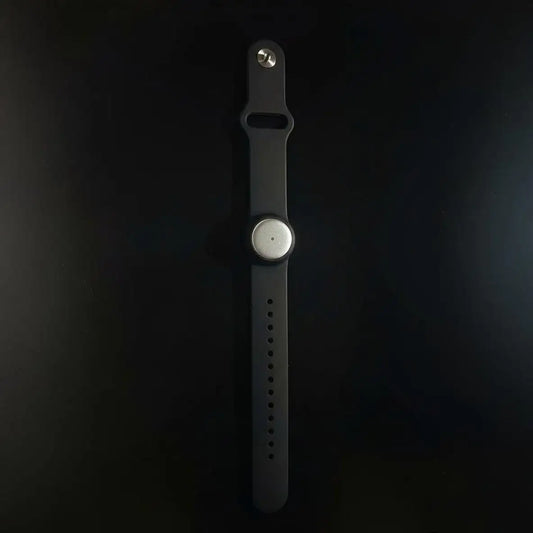
- Omi is a small wearable AI voice recorder plus an app. Wear it during the day, and the app turns conversations into transcripts you can search later.
- Workflows are how you get follow-through. A good workflow turns “we talked” into a summary you can skim, decisions you can trust, and tasks that land with owners.
- You can start free. Omi includes a free tier with 1,200 minutes per month, and you can upgrade if you need unlimited usage.
If that’s what you want, cool. Pick a workflow type (or your role) and start with one for a week.
How Omi fits most AI note taking workflows
Across roles, the pain is weirdly consistent: action items get lost, ownership gets fuzzy, and context disappears into a dozen tools. People end up hunting through chat threads, email, and scattered docs just to answer a simple question, “what did we agree on?”
Omi is built around a loop that fixes that problem without turning your day into a note-taking project.
- Capture, hands-free. Wear it so recording becomes automatic. This is the only way the workflow survives busy days.
- Structure what was said. Not just transcript text. You want summaries, decisions, and action items that you can scan quickly.
- Commit next steps. “Owner + due date + definition of done.” If those three aren’t there, the task will drift.
- Retrieve on demand. Searchable memory is the real multiplier. It turns “I think we said…” into “here’s exactly what we said.”
If you want the product mechanics, the official “how Omi works” page is here: How Omi works.
A quick map of outputs
| What you capture | What Omi produces | Where it goes next (typical) |
|---|---|---|
| Meetings, calls, hallway decisions | Transcript, AI meeting summary, decisions, action items | Shared notes, follow-up email, project plan, OKR check-in |
| Customer conversations | Objections, next steps, “what mattered,” tasks | CRM update, deal follow-up, success plan, support ticket |
| Ops and incidents | Timeline, owner list, root-cause notes, remediation tasks | Postmortem doc, change plan, runbook updates |
| Learning (lectures, trainings) | Study notes, key concepts, practice questions, memory cues | Study kit, flashcards, office hours question list |
Why most note-taking breaks
- Unclear ownership. Tasks exist, but nobody is actually responsible.
- Notes arrive late. Even good minutes lose value if they show up days later.
- Everything is buried. Action items hidden inside paragraphs are basically invisible.
- Context is missing. The “why” behind a decision disappears, then you relive the debate next week.
The fix is boring and effective: consistent structure, fast distribution, and a single place you can search later.
Browse by workflow type
Don’t overthink it. Pick the cluster that matches your day, then grab the workflow template inside it.
AI meeting summarizer workflows (minutes, decisions, action items)
For leadership syncs, project meetings, stakeholder reviews, vendor calls, anything where follow-through matters.
- AI meeting summary workflow (baseline you can reuse everywhere)
- Weekly OKR check-in workflow (alignment + accountability)
- Sprint retrospective to improvement workflow (turn talk into process change)
- Vendor procurement meeting workflow (decisions, risks, approvals)
Revenue, customer, and follow-ups
The goal here is speed: capture the call once, extract the real objections and next steps, then follow up cleanly.
Operations and reliability
High-tempo teams need clean handoffs and traceable timelines, or you relive the same incident twice.
Research, quality, and evidence-based work
If your work depends on accuracy and recall, you want workflows that preserve rationale and evidence, not just outcomes.
People, growth, and governance
These workflows keep the “human” work from becoming vague. Clear goals, clear feedback, clean notes, responsible recording.
Learning and content creation
Capture now, shape later. This is where an AI note taker workflow turns raw speech into drafts, study kits, and publishable output.