If you’ve ever walked out of a weekly check-in and realized you still don’t know what the team is actually doing this week, you’re not alone. This workflow turns that meeting into something you can run: real deltas, owned blockers, clear asks, and one outcomes list people can’t reinterpret three different ways.
On This Page
Skim-friendly on purpose. Jump to what you need.
TL;DR: From Weekly Status to a Week You Can Actually Run
This OKR check-in workflow turns weekly updates into execution: capture the check-in, generate a structured recap (Objective → KRs → current value → delta), surface risks, turn blockers into owned next actions (48-hour move), rewrite dependencies as "need X by DATE" requests, record decisions with trade-offs, and publish a short weekly outcomes list with owners and checkpoints.
Omi helps because it gives you the baseline fast: a searchable transcript, a first-pass summary, and action items. Then you use Omi chat to pull out what matters: owners, dates, missing numbers, and the one list people will follow this week.
If your check-ins currently end as "we covered a lot," this is how you make them end as "here’s what changed, here’s what’s blocked, and here’s what we’re doing next."
What Counts as a Check-In Here, and What Belongs Elsewhere
In this article, a check-in is a short recurring review where the goal is progress and unblocking, not a long debate. It should feel a bit boring. That’s a compliment.
- In scope: KR updates with numbers and deltas, confidence calls (high/med/low + why), risk review tied to specific KRs, dependency clearing across teams, and weekly prioritization that maps work to outcomes.
- Out of scope: quarter planning, big strategy fights, incident postmortems, and brainstorming sessions with no measurable KR anchor. Those have their place. This workflow is for weekly steering.
If you want "deltas, owners, decisions, and this week’s outcomes," keep reading.
Who This Workflow Is For (When Alignment Has to Survive Monday)
This is for teams that keep losing the thread between "what we said in the meeting" and "what happened by Friday." It’s especially useful for executives who want the truth in a minute, and project managers who need owners and checkpoints without playing Slack detective.
- Executives: want what moved, what’s stuck, what needs a decision, and what we’re saying no to.
- Project managers: want a blocker log with owners and dates, not "we’ll follow up."
- Operations: want consistent cadence and fewer surprise dependencies mid-week.
- Marketing: want outcomes tied to pipeline, activation, retention, not an activity diary.
- HR / People: want measurable progress on hiring and enablement work, plus clear asks.
- IT and finance-heavy teams: same structure, just different KRs. (Related: IT, finance.)
Related use cases: operations, marketing, human resources, professional workers.
The point is not perfect OKR paperwork. It’s a week the team can execute.
The 7-Minute Closeout That Saves Your Thursday
The trigger is not "we held the meeting." The trigger is right after the meeting, before decisions get reinterpreted, owners blur, and everyone runs to their next fire. If you don’t lock it then, you’ll pay for it later. Usually on Thursday, when someone asks, "Wait, what did we agree on?"
Here’s how Omi fits, in plain terms. Capture the check-in, let Omi produce a transcript and a first-pass recap, then use Omi chat to tighten it into three things you can run: a delta ledger (what moved), a blocker log (what’s stuck), and a decision log (trade-offs). Then publish the weekly outcomes list.
- Remote calls: capture via Omi on desktop or in browser.
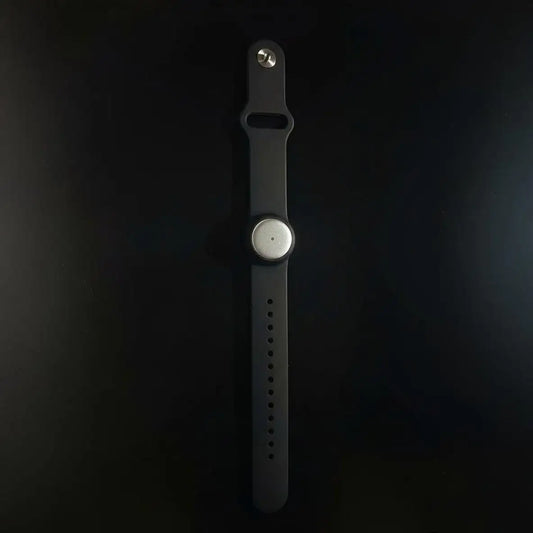
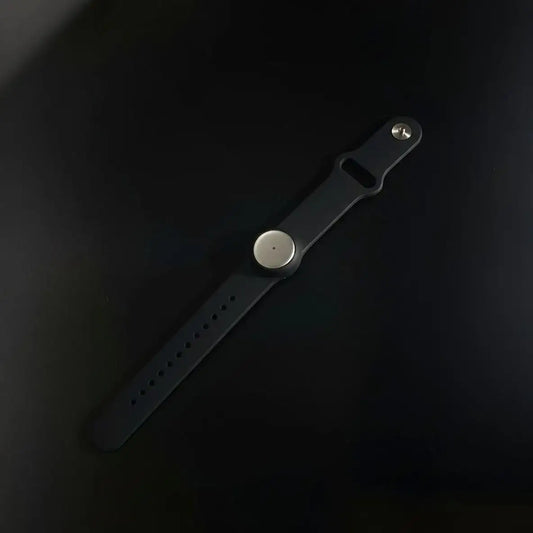
- In-person check-ins: pair a supported wearable for hands-free capture, or record on your phone if that’s your reality.
- Quick updates: record anyway. The honest blockers usually show up here, not in the polished slide.
- Closeouts: record the "so what are we doing this week?" moment. That’s the one people misremember.
Prompt pack for the closeout:
- “List every KR mentioned. Extract current value, target, and any delta stated.”
- “Flag missing data where someone said ‘on track’ without a number.”
- “Extract blockers. For each: owner, next action within 48 hours, due date if stated.”
- “Rewrite dependencies as: Need X from Y by DATE, and include definition of done.”
- “List decisions and trade-offs. What did we deprioritize or delay?”
- “Create a 5–7 bullet weekly outcomes list. Each bullet must be measurable.”
One opinion: if the recap doesn’t go out within 10 minutes, it usually doesn’t go out at all. Then the next meeting becomes a recap of the recap you never sent.
Why Weekly Check-Ins Turn Into Theater (Even with Good People)
This failure mode is painfully common: everyone is busy, updates are long, the call feels "productive," and then nothing changes. It’s rarely a motivation problem. It’s a format problem.
- Status color replaces numbers: green/yellow/red becomes a vibe instead of a metric.
- Activity is mistaken for progress: “we shipped three things” is not “the KR moved.”
- Blockers get airtime, not owners: people nod, the same blocker returns next week.
- Dependencies stay vague: “waiting on them” never becomes a request with a date.
- Decisions vanish: trade-offs are discussed, then disappear into chat scroll.
- The OKR island problem: OKRs live in one tool, execution lives somewhere else, so the bridge collapses weekly.
- Set-and-forget drift: check-ins become rituals, not steering.
If you can’t answer “what changed as a number?” and “what is the next action within 48 hours?” you don’t have a check-in. You have a performance.
What Omi Changes: Less Weekly Amnesia, More Follow-Through
Omi is useful here for one reason: it keeps the meeting from evaporating. You get a searchable transcript and a baseline recap, then you use chat to pull out owners, dates, missing numbers, and the weekly outcomes list. That’s the bridge between “we talked” and “we did.”
- Faster closeout: transcript, summary, and action items without manual note-taking.
- Traceability when alignment breaks: you can look up what was actually said, without turning it into an argument.
- Less OKR island pain: you can export action items into the tools where work happens, so blockers become tasks, not vibes.
- A stable format every week: same recap structure even when the meeting host changes.
- Threaded memory: keep one Objective and its KRs as a running storyline, not scattered notes.
- Automation (optional): use marketplace apps or developer workflows (webhooks, triggers) to push outcomes and tasks into your stack.
Clear boundary: Omi doesn’t replace your OKR platform. It acts like the memory layer that stops you from resetting context every Monday.
The Quality Bar: What a Real Weekly Update Looks Like
A real weekly update is something your future self can trust on Thursday afternoon. It tells you what moved, what’s stuck, and what you’re doing next. No poetry.
| Component | What “good” looks like | Common failure |
|---|---|---|
| KR value + delta | Current value, target, and what changed since last check-in | “On track” with no number |
| Confidence + reason | High/medium/low with one sentence why | Confidence implied, never stated |
| Blockers | Owner, next action within 48 hours, due date | Blockers mentioned, no owner |
| Dependencies | Need X from Y by DATE, with definition of done | “Waiting on them” with no ask |
| Decisions + trade-offs | What we decided, and what we deprioritized because of it | Decision recorded, trade-off missing |
| This week’s outcomes | 5–7 measurable results, each with an owner and checkpoint | Project list disguised as priorities |
Quick test: if you can’t read last week’s recap and instantly answer “what changed, what’s blocked, and what are we doing this week,” the format is too loose.
The Receipts Ledger: Commitments and Trade-Offs You Can Point To
This is the part teams skip, then regret later. “We agreed” turns into “I thought,” and suddenly you’re arguing about memory instead of shipping work.
In research, receipts are quotes and timestamps. In weekly OKR cadence, receipts are metric claims, commitments, decisions, trade-offs, and dependency requests. You don’t need to be dramatic about it. You just need a record you can search. That’s where Omi helps: you can tie the recap back to what was actually said, without making the meeting feel like a courtroom.
| Receipt type | What you capture | Why it matters |
|---|---|---|
| Metric claim | KR value, delta, and (if possible) the source | Kills “green by vibes” |
| Commitment | Owner, next action, due date (or flagged missing) | Turns talk into work |
| Decision | What we decided, plus why | Stops weekly re-litigating |
| Trade-off | What we deprioritized or delayed because of the decision | Makes priorities real |
| Dependency request | Need X from Y by DATE, with definition of done | Stops “waiting on them” from eating the week |
Two rules that keep this sane:
- No owner, no life. If a blocker has no owner, it leaves the meeting as “owner missing,” then gets assigned.
- No trade-off, no decision. If you can’t name what you’re deprioritizing, the decision isn’t finished.
The Operational Playbook: Check-In to an Executable Week
This is the loop. Omi gives you the baseline record. You tighten it into commitments. Then you publish a recap people can use without asking five follow-up questions.
Step 1: Set the rules once (then stop reinventing the meeting)
Most check-ins fail because the definition of “update” changes every week. Set this once and save everyone’s time.
- Every KR has a single owner.
- Every update includes value and delta, or it is flagged as missing data.
- Every blocker gets an owner and a 48-hour next action.
- Every decision includes a trade-off.
Put it in the calendar invite. People follow what’s written.
Step 2: Do lightweight pre-work (5 minutes)
Each KR owner brings current value, last week value, delta, one risk, one ask. If the number isn’t ready, say it.
- Bring the number, or admit it’s missing.
- Bring one blocker you need help removing.
- Bring one dependency request (need X by Y).
If you want, record async updates in Omi so the live call focuses on exceptions and decisions.
Step 3: Capture the check-in and the 2-minute closeout
Capture is the foundation. If you don’t capture, you reconstruct. Reconstruction is where drift lives.
- Record the meeting (remote or in-person).
- Record the closeout: “What are the 5–7 measurable outcomes we’re committing to this week?”
- Record side conversations where blockers become real.
With Omi, you can search later by KR, owner, or topic, instead of relying on someone’s memory.
Step 4: Generate baseline output, then tighten it
Omi gives you a transcript, summary, and action items fast. Now make it useful: convert it into the stable weekly format.
- Objective → KR → value → delta → confidence.
- Risks, blockers, dependencies, decisions.
- Weekly outcomes list with owners and checkpoints.
Baseline output is speed. The tight format is what makes it run a week.
Step 5: Interrogate the transcript (turn talk into commitments)
This is where you remove ambiguity. You’re not writing a summary, you’re extracting commitments.
- Extract every owner and every date mentioned, flag missing ones.
- Rewrite “we should” into a next action within 48 hours.
- Pull trade-offs clearly: what got deprioritized, what slipped, what changed.
- Separate activity from progress, keep statements that move a KR.
This is also where Omi chat shines: you ask against the exact transcript, not your memory of the meeting.
Step 6: Build three ledgers (this is the real deliverable)
Convert the meeting into stable logs, then you can run the week without guesswork.
- Delta ledger: KR values and deltas.
- Blocker log: owner, next action, due date, escalation flag.
- Decision log: decision, why, trade-off.
If you do only one thing beyond the recap, do this. Ledgers prevent rehashing.
Step 7: Publish “this week’s outcomes” (5–7 bullets)
If it’s not measurable, it’s not an outcome. Be strict here, it saves time later.
- 5–7 outcomes phrased as measurable results, not project names.
- Each outcome maps to a KR, or is labeled as non-KR work.
- Each outcome has an owner and a checkpoint date.
Make this list the thing people forward. Everything else is supporting context.
Step 8: Bridge the OKR island gap (where implementations die)
If OKRs live in one tool and work lives in another, execution drifts. Don’t fight reality. Bridge it.
- Export action items into your task manager so blockers become work.
- Pin the outcomes list where the team already reads.
- Keep ownership consistent across OKR updates and tasks.
Omi can help here through marketplace apps or custom developer workflows (webhooks, triggers) so the bridge stays consistent.
Step 9: Automate lightly (optional)
Automation is only useful after the cadence is stable. Otherwise you automate chaos.
- Simple: post the outcomes list to the team channel automatically.
- Better: create tasks from blockers and assign owners with due dates.
- Advanced: send “blockers due this week” nudges to owners (keep it respectful).
- Start with apps:
https://h.omi.me/apps, build custom workflows viahttps://docs.omi.me/.
Deliverables: What You Should Have After a Strong Check-In
If your check-in doesn’t produce these, it’s probably producing stress instead.
- OKR meeting notes (Objective → KR → value + delta + confidence).
- Delta ledger (what moved week over week).
- Blocker log with owners, 48-hour next actions, due dates, escalation flags.
- Dependency map rewritten as “need X by DATE” requests.
- Decision log with trade-offs (what we deprioritized or delayed).
- Weekly outcomes list (5–7 measurable bullets, each with an owner and checkpoint).
- Task list created from blockers and dependencies.
- Exec brief (top changes, risks, asks).
Weekly OKR Check-In Recap Template (Copy/Paste)
This format is intentionally strict. It makes the meeting shorter over time.
Meeting title:
Date/time:
Attendees:

Objectives covered:
- O1:
- O2:

KR scoreboard (current, target, delta, confidence):
- KR:
  - Current:
  - Target:
  - Delta since last week:
  - Confidence (high/med/low) + why:

Top changes since last week (3 bullets):
-

Risks (1 line each, tied to a KR):
- Risk:
  - KR impacted:
  - What would reduce risk this week:

Blockers (owner, next action, due date):
- Blocker:
  - KR impacted:
  - Owner:
  - Next action (48-hour move):
  - Due date:
  - Escalation needed? (yes/no + who):

Dependencies (“need X by DATE” requests):
- Need:
  - From:
  - By:
  - Definition of done:
  - KR impact:

Decisions + trade-offs:
- Decision:
  - Why:
  - Trade-off (what we deprioritized/delayed):
  - Effective date:

This week’s outcomes (5–7 measurable bullets):
- Outcome:
  - Owner:
  - Checkpoint date:

Tasks created (owners + due dates):
-

Notes / source reference (optional):
OKR Follow-Up Ticket Template (Copy/Paste)
Use this for Jira, ClickUp, Asana, whatever you live in. It’s the “backlog item” version of an OKR meeting. It forces the bridge from meeting language to buildable work.
Title:
- [Blocker/Dependency] for [KR] resulting in [Outcome]

Type:
- Blocker / Dependency / Decision follow-up / Metric instrumentation

KR impacted:
Owner:
Due date:
Next action (within 48 hours):

Problem statement:
-

Why it matters (KR impact):
-

Definition of done:
-

Acceptance criteria:
- (clear checks)

Risks / side effects:
-

Escalation needed?
- yes/no + who

Links / source reference (optional):
-
Blocker Log Template (Copy/Paste)
If it’s not in the blocker log, it tends to live forever.
Blocker:
KR impacted:
Owner:
Next action (within 48 hours):
Due date:
Dependency (if any):
Escalation needed? (yes/no + who):
Definition of done:
Notes:
Source reference (optional):
Dependency Request Template (Copy/Paste)
This turns “we’re waiting on them” into a clear ask.
Need:
From:
By (date):
Why (KR impact):
Definition of done:
Owner / point of contact:
If we miss this date, what happens:
Decision Log Template (Copy/Paste)
Decisions without trade-offs are just arguments paused until next week.
Decision:
Why:
Trade-off (what we deprioritized/delayed):
Owner:
Effective date:
Revisit date (optional):
Notes:
Privacy, Consent, and Trust (Because Recording Meetings Is a Real Thing)
Let’s be normal about this: recording is sensitive. Some teams love it, some teams feel weird about it at first. The best approach I’ve seen is simple, say what you’re doing, make it visible, and set boundaries.
- Make recording obvious: use visible cues and align on consent rules for your org and your region. Omi devices include indicators when recording is active, which helps with two-party consent environments.
- Keep scope tight: record the OKR check-in and the closeout, not random hallway conversations unless that’s agreed. It’s easier to build trust when people know what gets captured.
- Security basics matter: Omi Enterprise describes encryption at rest and in transit, plus SOC 2 and HIPAA compliance for teams handling sensitive info.
- Data control: Omi’s help materials describe download and delete controls, and note that audio storage can be optional (depending on settings).
The goal is not “record everything.” The goal is “stop losing the one meeting that steers the week.”
The OKR Memory Timeline: Stop Re-Litigating the Same Decisions
Most teams lose institutional memory in slow motion. People change roles, threads get buried, and you end up revisiting the same argument every month like it’s brand new.
- Tag by Objective and KR so “what changed?” is searchable across weeks.
- Tag by owner so recurring blockers show up as patterns, not surprises.
- Tag by theme (hiring, reliability, pipeline, activation, retention) to spot repeat friction.
- Close the loop: link resolved blockers to the decision that unlocked them.
- Make it queryable: “how long has this been blocked?” should not be a debate.
Real Examples: One Clean Week, One Messy Week Rescued
Example A: Clean Progress with a Real Delta
Objective: improve activation. KR: trial users reaching first success within 24h. The update is clean because it’s measurable: “We moved from 31% to 34% this week.”
- Delta stated clearly, no interpretation needed.
- Two blockers, each with an owner and a 48-hour next action.
- One dependency request with a date and definition of done.
- One decision with a trade-off, so priorities stop being fiction.
- Six weekly outcomes, each mapped to the KR.
Example B: “Everything Is Yellow” (Clarity Recovery)
The meeting starts with vague updates: “on track,” “making progress,” “should be fine.” The rescue is not complicated. It’s just strict.
- Missing data flagged for every “on track” statement.
- Owners assigned for blockers before the recap goes out.
- Dependencies rewritten into clear requests with dates.
- One real trade-off captured, so the week isn’t a wish list.
- Five measurable outcomes replace fourteen projects.
The pattern stays consistent: structure first, then rigor. Deltas, owners, decisions, outcomes.
OKR Mistakes That Kill Trust (Quietly, Over a Quarter)
- Tracking vibes instead of numbers.
- Blockers without owners, repeated weekly.
- Implicit dependencies that never become requests.
- Decisions without trade-offs, so priorities stay imaginary.
- Too many priorities, so nothing finishes.
- Confusing activity with progress.
- No closeout, so the recap arrives late or never.
- No memory, so the team can’t tell whether a blocker is new or ancient.
FAQ
How do we keep updates measurable without turning the check-in into micromanagement?
Keep the update small and specific: KR value, delta, confidence, blockers, dependencies, decisions with trade-offs, and the weekly outcomes list. That’s less reporting, not more. The goal is fewer interpretations, not more control.
What’s the simplest way to assign owners for blockers?
Treat “owner” as “accountable.” If nobody volunteers, assign the person who can move the next action within 48 hours. If you can’t identify that person, the blocker is too vague. Rewrite it until ownership is obvious.
What do we do when a KR hasn’t moved for 2–3 weeks?
Pull the ledger and look for the pattern: repeated blockers, unresolved dependencies, deferred decisions, and stolen focus. Then commit to one small, measurable experiment for that KR next week. Not a big initiative. One test you can evaluate.
How do we handle dependencies without endless Slack threads?
Turn every dependency into a request: need X from Y by DATE, definition of done is Z, KR impact is Q. Put it in the recap and ledger, not in private DMs. If it’s critical, flag escalation explicitly.
How do we share an exec brief without making people read transcripts?
Use a strict format: top changes, top risks, top asks, then the weekly outcomes list. The record is there for optional drill-down and dispute resolution, not required reading.
How do integrations and automation fit in without creating “automation theater”?
Start with one thing: publish the outcomes list where the team already reads. Add task syncing next. Then add nudges if you really need them. Use apps at https://h.omi.me/apps, and build custom workflows via https://docs.omi.me/ when you have a stable cadence.
Quick Takeaway: Do This Right After Every Weekly Check-In
- Capture the check-in and the 2-minute closeout.
- Generate the recap (Objective → KR → value + delta + confidence).
- Extract blockers into a ledger (owner + 48-hour next action + due date).
- Rewrite dependencies as “need X by DATE” requests.
- Record decisions with trade-offs (what we deprioritized).
- Publish weekly outcomes (5–7 measurable bullets with owners and checkpoints).
- Bridge to execution by creating tasks where work actually happens.
- Send the follow-up while context is alive, so next week doesn’t become a rehash.

 www.omi.me