TL;DR: turn 1:1s into a system you can run on autopilot
Here is the loop: capture the conversation, generate a recap that always looks the same (wins, blockers, priorities, feedback, growth), convert blockers into tasks and asks with owners and checkpoints, update a living growth thread per person, send a short follow-up the same day, and start the next 1:1 from the thread instead of starting over.
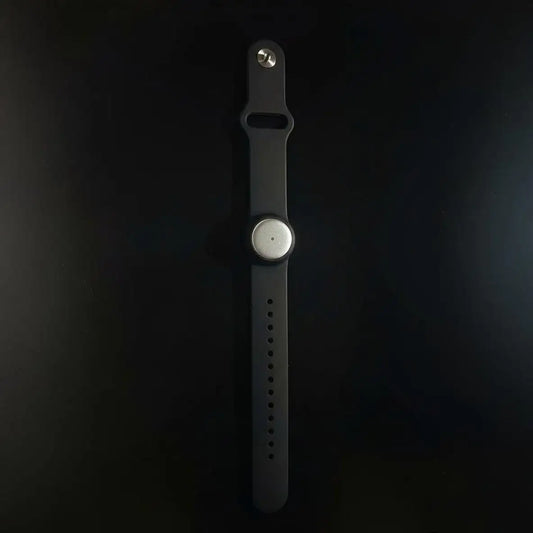
Omi helps in a very specific way. It records what you say and hear, transcribes the conversation, applies your template to create a baseline recap, and lets you ask questions against that transcript. So you are not playing detective on Friday afternoon, trying to remember what you promised on Tuesday.
- The meeting is not the system. The system is the thread: recap, ledger, follow-up.
- Blockers are not “topics.” They are tasks or asks. If they stay as topics, they repeat forever.
- Growth is not a vibe. Growth is a rep you schedule, then check next week.
- Timing matters. Do the closeout right after the 1:1, while the details are still clean.
On this page
If you want the “usable” part, jump to the playbook and templates. That is where this stops being theory.
- What a 1:1 is here (and what it is not)
- Who this is built for
- The 10-minute window after the meeting
- Why 1:1s quietly fail
- What Omi changes
- The quality bar for a good recap
- The ask ledger (tasks, asks, decisions, risks)
- Step-by-step playbook
- Deliverables checklist
- Copy/paste templates
- The 1:1 memory library
- Real examples
- Mistakes that kill trust
- FAQ
- Quick takeaway
What a 1:1 is here, and what it is not
A 1:1 (in this article) is not a private status meeting. It is where you do three things that rarely happen well in public: you surface real blockers, you give feedback with context, and you shape growth with something the person can actually practice.
If your 1:1 is mostly “what did you do this week,” you are using expensive time for cheap information. That is not a moral judgment. It is just math.
- In scope: manager 1:1s, skip-level check-ins, mentorship meetings, cross-functional 1:1s, and walking 1:1s where people tend to speak more freely.
- Out of scope (for this workflow): status-only reporting and formal performance-review mechanics. You can still capture them, but the loop below is about turning conversation into follow-through you can reuse next week.
Who this workflow is built for
This is for people who are tired of “good meetings” that do not change anything. It also helps if you manage across time zones, juggle a lot of stakeholders, or have 1:1s that happen in hallways, cars, or on walks.
- Executives: want signal and next actions without hunting through old notes. Use case
- Project managers: want owners, checkpoints, and dependency routing that sticks. Use case
- Professional workers: want clear priorities and feedback that does not evaporate. Use case
- Marketing: want decisions captured so you stop reliving the same debate. Use case
- IT: want clear asks and escalation paths, not vague “can you look at this.” Use case
- Operations: want blockers converted into tasks and asks that do not drift. Use case
- Human resources: want consistent coaching notes and cleaner follow-ups. Use case
- R&D / builders: want decisions and commitments captured so work does not stall on ambiguity. Use case
You can run this with a notebook and discipline. Omi just makes “discipline” easier to maintain when the week gets messy.
The 10-minute window after the meeting (where everything either locks in or dissolves)
I keep coming back to this because it is so boring and so true: the closeout is the whole game. Not later tonight. Not Friday. Right after the 1:1.
Why? Because your brain edits. Your calendar interrupts. And small commitments quietly mutate into “I thought you were doing that.” A short closeout keeps the story honest.
Omi helps by giving you a clean baseline quickly. The transcript exists. The recap exists. Then you do the part that actually matters: decisions, tasks, asks, and the one growth rep you want to reinforce next week.
- Remote 1:1s: capture through Omi on desktop or web while you are on Zoom/Meet/Teams.
- In-person 1:1s: use a wearable setup so you can stay present, then sort the output after.
- Walking 1:1s: capture without pulling out a laptop and changing the mood.
- Quick decisions: record the “by the way” commitments that always get forgotten first.
Prompts for the closeout (steal these):
- "List decisions made and what changed because of them."
- "Extract blockers. Rewrite each as a task or an ask with an owner and checkpoint date."
- "What are the top 3 priorities for next week, and why these three?"
- "Pull the feedback we discussed and turn it into one rep for next week."
- "What risk did we circle around but never say out loud?"
- "Draft a same-day follow-up under 120 words."
Why 1:1s quietly fail (even when everyone is “doing them”)
Most 1:1s do not fail loudly. They just slowly stop mattering. The cadence slips. The follow-up gets skipped. The meeting becomes a status check because it is the easiest thing to talk about.
- Cadence decay: one reschedule turns into three, then the meeting is basically optional.
- Status gravity: updates swallow the time meant for coaching, blockers, and risk detection.
- Vague commitments: “we should” replaces owners and checkpoints, so nothing lands.
- Blockers stay stories: you talk about them, but no one converts them into a task or ask.
- Feedback evaporates: it is said once, then never becomes something the person practices.
- No continuity: every week starts from scratch, so patterns never show up.
- Trust breaks fast: recording without clarity or consent makes people guard their words.
If you want one thing to change first, change the closeout. That is where the meeting becomes real.
What Omi changes: you stop relying on memory (which is a terrible system)
Omi’s core loop is simple: capture conversations, transcribe them, generate structured outputs (summaries, tasks, memories), and let you search or chat with that record later. For 1:1s, that means less rewriting, less “what did we say,” and far fewer repeated blockers.
Here is the honest version: Omi does not magically manage your team. You still decide what matters. What it does is remove a bunch of friction, so the right habit is easier to do consistently.
- Baseline recap from your template: wins, blockers, priorities, feedback, growth, in a repeatable format.
- Task extraction: action items come out as tasks you can edit and clean up.
- Memories: important facts from conversations can be stored so you can find them later.
- Chat with the transcript: ask precise questions against a specific 1:1, not “in general.”
- Flexible capture: phone, desktop, and wearables, depending on the context.
- Integrations: apps marketplace for ready workflows, developer docs for custom routing.
If you want plug-and-play integrations, use https://h.omi.me/apps. If you want custom workflows (APIs, webhooks, dev tools), use https://docs.omi.me/. The mental model stays the same: you define what gets created and where it goes.
The quality bar: what a good 1:1 recap looks like
A good recap is something you can use next week without guessing. It is not a transcript dump. It is a compact record of what happened, what changes, and what gets reviewed next.
| Component | What “good” looks like | Common failure |
|---|---|---|
| Wins | Specific outcomes that tie to impact | “All good” with no detail |
| Blockers | Converted into tasks and asks, with owners and checkpoints | A list of problems that repeats next week |
| Priorities | Top 3 for the week, plus why and a checkpoint date | A long list that nobody finishes |
| Feedback | Context, example, and what “better” looks like | Vague praise or vague criticism |
| Growth rep | One skill focus, one observable rep, one place to practice it | Growth talk with no practice scheduled |
| Next review point | The first agenda item next time | Starting from scratch, again |
Keep it simple: if it doesn’t have an owner and a checkpoint, it is not ready to be treated as a commitment.
The ask ledger: the thing that stops “we talked about it” from happening
Your ledger is where fuzzy conversation turns into concrete movement. It has four buckets. Nothing fancy. Just enough structure that your future self does not hate you.
- Decisions: what you agreed is true, and what changes because of it.
- Tasks: owned by the direct report, with checkpoint date and definition of done.
- Asks: owned by someone else (you, another team, a stakeholder), with routing and escalation checkpoint.
- Risks: what could break the plan, plus early warning signals.
Prompts that keep this ledger honest:
- "Extract all asks. For each: recipient, message, checkpoint date, escalation checkpoint."
- "List decisions made and what changed as a result."
- "Which blocker has appeared across the last 3 meetings? Summarize the pattern."
- "Rewrite feedback into one rep for next week, with a concrete example."
The operational playbook: 1:1 → recap → ledger → growth thread → follow-up
This is the whole workflow. It is repetitive on purpose. Repetition is what turns one decent meeting into a system.
Step 1: set up a per-person system (one-time)
- Create a folder or naming rule per person, so search stays clean.
- Pick a stable template: wins, blockers, priorities, feedback, growth.
- Decide boundaries: what stays private vs what becomes a follow-up.
- If you use Omi, add custom vocabulary (names, projects, internal terms) so tasks come out less messy.
Step 2: pre-brief in 3 minutes (start from last week)
- What shipped, what slipped, what changed.
- Which ask is stuck with someone else.
- Pick one growth focus for this week.
Omi shortcut: ask Omi to summarize the last 2–3 1:1s with this person, then draft today’s agenda prompts.
Step 3: capture the 1:1 (including the small decisions)
- Capture remote, in-person, or walking 1:1s while staying present.
- Capture the quick “by the way” commitments that happen after the meeting ends.
- If you record, align with consent and company policy and make it explicit.
Step 4: generate a structured recap (baseline)
- Wins: what actually happened
- Blockers: what is slowing work down
- Priorities: top 3 for next week
- Feedback: context plus what “better” looks like
- Growth: skill focus and the next rep
Aim for scannable, not poetic.
Step 5: convert blockers into tasks and asks (with checkpoints)
- Rewrite each blocker into a task (owned) or ask (routed).
- Add a checkpoint date (next review point, not “perfect deadline”).
- Add a one-line definition of done.
Step 6: turn feedback into a growth rep (and schedule it)
- Skill focus: one thing you are building
- Rep: an observable behavior in real work
- Exposure: where they will practice it (project, stakeholder, moment)
If you can’t describe the rep in one sentence, it’s still too fuzzy.
Step 7: send a same-day follow-up (short enough to be read)
- Decisions
- What they own (with checkpoints)
- What you own and what you asked others to do
- What you review first next time
Step 8: optional automation layer (apps + developer workflows)
- Apps marketplace:
https://h.omi.me/apps - Developer docs (APIs/webhooks):
https://docs.omi.me/ - Example automation: route asks to your task system, save the growth thread update, generate a weekly “open asks” digest.
Step 9: start the next 1:1 from the log
- Review last week’s asks first. It sets the tone.
- Review the growth rep. Did it happen, yes or no.
- Then move into new topics.
Deliverables checklist (what you should have after the closeout)
When the closeout is done, you should have these in your hands. If not, you’re going to pay for it next week.
- Structured recap (wins, blockers, priorities, feedback, growth)
- Ask ledger (tasks + asks + owners + checkpoints + definition of done)
- Growth thread update (skill focus + rep + exposure)
- Same-day follow-up draft (ready to send)
- Next 1:1 seed (first agenda item next time)
Copy/paste templates you can reuse every week
These templates are plain on purpose. Fancy templates get abandoned. Plain ones get used.
1:1 recap template
Session title:
Date/time:
People:
Type (manager 1:1 / skip-level / mentorship / cross-functional):

Wins (specific outcomes):
-

Blockers (rewrite into actions):
- Blocker:
  - Task (owner, checkpoint, definition of done):
  - Ask (recipient, message, checkpoint, escalation checkpoint):

Top 3 priorities for next week:
- Priority:
  - Owner:
  - Checkpoint date:
  - Why it matters:

Feedback (context + what "better" looks like):
-

Growth (one skill focus):
- Skill focus:
- This week's rep (observable behavior):
- Where they'll practice it (exposure opportunity):

Decisions made (what changed):
-

Risks (what could derail the plan):
-

Next 1:1 starts with:
-
Ask ledger entry template
Topic:
Decision (if any):
-

Task (owned by direct report):
- Owner:
- Next step:
- Checkpoint date:
- Definition of done:

Ask (owned by someone else):
- Recipient:
- Message (one sentence):
- Checkpoint date:
- Escalation checkpoint:
- Definition of done:

Risk if it slips:
-
Same-day follow-up template
Subject: Quick recap + next steps

1) Decisions
-

2) What you own (with checkpoints)
-

3) What I'll do / what I'm asking others to do
-

Next 1:1 starts with:
-
The 1:1 memory library (where this starts compounding)
Most teams lose continuity because the “history” lives in scattered docs, chat threads, and someone’s head. That is why the same blocker shows up for months.
A memory library fixes that. It is not a big knowledge management project. It is just a consistent thread per person, plus a way to search what keeps repeating.
- Tag by theme: priorities, blockers, dependencies, decisions, feedback themes, growth reps.
- Tag by lifecycle: onboarding, ramp, steady-state, role change, promotion path.
- Keep provenance: decisions and asks should tie back to what was actually said.
- Close the loop: link outcomes back to asks and reps, so the system learns.
With Omi, this is easier because your conversations are transcribed, structured, and searchable, and you can ask questions against that record. For integrations, use https://h.omi.me/apps. For custom workflows, use https://docs.omi.me/.
Real examples (the kind that actually happens)
-
Example A: feedback becomes a rep (and actually improves)
Feedback: stakeholder updates are clear but too long. The bad outcome is “we talked about it.” The good outcome is a rep you can review next week.
- Skill focus: concise stakeholder updates
- Rep: send a 5-bullet Friday update (max 6 minutes to write)
- Exposure: send it to a high-visibility stakeholder
- Checkpoint: review it first next 1:1
- Omi use: draft the update from transcript context, then keep the month-over-month thread of what improved
-
Example B: the same blocker repeats (so you fix the system)
Every week: “waiting on access” or “blocked by another team.” The fix is not pep talks. The fix is routing and checkpoints.
- Pattern: blocker repeated 3 meetings in a row
- Fix: the ask ledger requires recipient + checkpoint + escalation checkpoint
- Outcome: fewer repeated blockers, faster cycle time
- Omi use: query repeating blockers over the last month, then decide what changes
Notice what’s missing: there is no “new framework” every week. The same loop runs, and that is why it works.
Mistakes that kill trust (and momentum)
- Rescheduling constantly: the cadence dies, and people stop bringing the real stuff.
- Status takeover: using 1:1s for updates instead of blockers, feedback, and decisions.
- No follow-up: nothing gets written, so accountability turns awkward.
- Blockers without conversion: problems stay problems, because nobody owns the next step.
- Growth without reps: talking about growth without scheduling practice.
- Starting from scratch: no living thread, so nothing compounds.
- Recording without clarity: skipping consent and policy alignment breaks trust fast.
FAQ
How do I keep 1:1s from becoming status meetings?
Push status async. In the 1:1, spend your time on blockers, decisions, feedback, and a single growth rep. If you must do status, cap it to 5 minutes. Then move on.
What is the minimum template that still creates follow-through?
Wins, blockers rewritten as tasks/asks, top 3 priorities, one growth rep, and a next review point. It’s not glamorous. It works.
How do I turn blockers into asks without sounding pushy?
Keep it clean and specific. Name the blocker, propose a next step, add a checkpoint date. “Can you unblock X by Thursday? If not, what date should we plan for?”
How do I track growth without making it awkward?
Track reps, not “potential.” One skill focus, one rep, one place to practice it, review next week. It feels supportive because it’s practical.
What do I do when the same blocker shows up every week?
Treat it as a system problem. Add routing and escalation checkpoints, then watch whether the pattern changes over the next 2–3 meetings. If it doesn’t change, you’re missing the real constraint.
How do I handle consent and privacy for in-person 1:1s?
Be explicit, align with policy, allow opt-out. Decide what stays private vs what becomes a follow-up message. If recording makes the conversation worse, don’t record. The workflow still works.
How do integrations and automation fit in?
Use https://h.omi.me/apps for ready integrations. For custom workflows (APIs/webhooks), use https://docs.omi.me/. The useful model is simple: you define the rules, Omi routes the output.

 www.omi.me