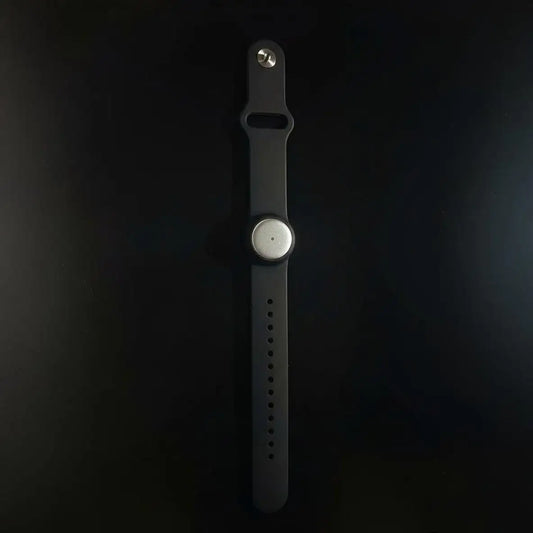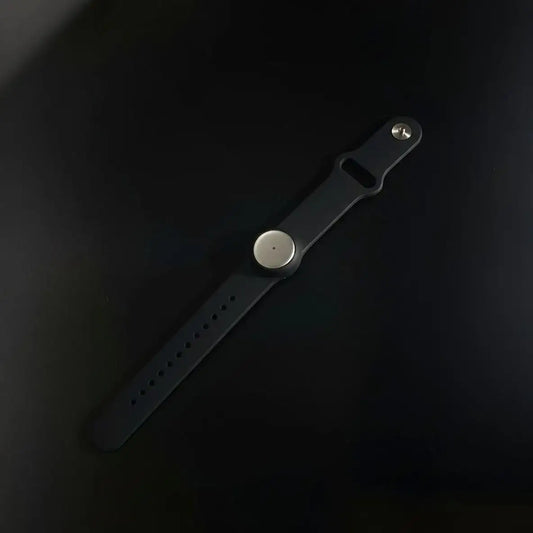
Omi is a small AI voice recorder plus a note taker app built for busy shifts and real work. You charge it overnight, wear it all day (necklace or wrist band, even under a shirt), and it can transcribe everything you say and hear to create ai notes with summaries, tasks, and searchable memories. You can chat with your transcript, share notes, organize everything in folders, and favorite the important moments. It’s free for up to 1,200 minutes, with an unlimited plan around $16/month (annual). Always get permission before recording—ask your manager/lead and the people involved.
If you work on your feet, talk to customers all day, or bounce between tasks, traditional note taking is fragile. You miss details because your hands are busy, your phone is away, or you simply can’t pause the moment to type. Then later you’re trying to remember names, numbers, promises, instructions, and next steps—and that’s when mistakes happen.
That’s why more people are looking for a note taker that works in the real world: a voice recorder with transcription that turns everyday conversations into voice to notes, not another app you forget to open.
This guide shows exactly how Omi works for general workers and professionals (including sales teams), how it turns audio into structured, searchable notes, and how to use it responsibly (yes, you should always get permission before recording at work).
What Omi is (and why it fits general workers and professionals)
Omi is a wearable voice recorder plus a companion ai note taking app. The wearable captures what’s happening, and the app turns that audio into a transcript and structured notes you can search, organize, and share.
In plain terms: it’s a voice recorder to transcript workflow that’s built for people who can’t (or shouldn’t) be typing all day. You wear the recorder, then use the app to turn voice recording and transcription into clean ai notes: summaries, action items, and searchable memories.
That’s why it fits so many “real-world” roles—especially the ones where information comes in fast and you’re expected to remember it perfectly later. For example:
- Retail salespersons and cashiers who deal with customer requests, returns, and exceptions.
- Customer service representatives who need accurate wrap-ups and follow-ups.
- Fast food and counter workers dealing with promos, substitutions, and shift instructions.
- General and operations managers running standups, handoffs, and priorities across a team.
- Office clerks juggling requests from multiple people and keeping the paper trail straight.
- Warehouse roles like laborers and freight, stock, and material movers and stockers and order fillers who constantly handle exceptions (damaged goods, shortages, special handling).
- Care and clinical-adjacent roles like home health and personal care aides and registered nurses, where details matter and policies matter even more.
And yes—this is especially useful for sales. If you’ve searched for ai note taking for sales reps, ai note taking for sales managers, or ai note taking for sales teams, you already know the problem: discovery details get lost, follow-ups slip, and the “small” details are always the ones that decide the deal.
Omi is also designed to look and feel modern. It is discreet, minimal, and stylish, and it is one of the smallest devices in this category. That matters because a tool only helps if you actually wear it every day.
Omi is open source (hardware + software), which means more transparency and flexibility long-term—especially if your team cares about customization, integrations, or owning your data.
How Omi works in a real workday
The best tools fit your routine. Omi is built around a simple pattern: charge at night, wear it during the day, then let the app handle the heavy lifting.
1) Charge overnight, then wear it like a necklace or wrist band
Charge Omi while you sleep. In the morning, wear it as a necklace (pendant style) or with a wrist band accessory. Many people keep it under a shirt for comfort and discretion—especially in customer-facing work.
Just keep one rule in mind: discreet is fine, secret is not. In a workplace setting you should get permission from your lead/manager and the people involved. More on this in the consent section.
2) Capture everything without breaking your flow
Omi is made for “hands-busy” work. Instead of pulling out your phone mid-shift, you let Omi run and capture the details you normally lose: names, numbers, promised actions, product preferences, step-by-step instructions, and the random “by the way…” that becomes important later.
This is where Omi shines as a note taker: it removes friction. You keep doing your job, and the app turns voice recording and transcription into usable notes.
3) Get real-time transcription, speaker recognition, and multilingual support
When connected, Omi can transcribe in real time. It also supports speaker profiles so conversations stay clearer when multiple people talk. And with 25+ languages (single-language, multi-language, and translation), it fits global teams and multilingual environments where most note apps fall apart.
And when you don’t have reliable connectivity? Omi supports online/offline workflows, so you can still record and handle the notes later. This is a big part of what people mean when they want offline AI note taking that doesn’t collapse in the real world.
4) Press the button to mark moments and ask questions
During a shift, you don’t want a complicated UI. Omi keeps it simple: press the button to mark a moment, then later ask the app’s chat questions like:
- “What did the customer ask for exactly?”
- “What did my manager say the new process is?”
- “List next steps and deadlines from that conversation.”
- “Summarize the incident in a format I can share.”
That’s the practical magic of a good ai note taking app: it’s not just storage. It’s retrieval, clarity, and follow-through.
5) Organize everything: folders, starred, sharing, and daily recaps
Once your day is captured, organization is what makes it usable. Omi gives you:
- Folders to organize by customer, site, store, territory, shift, or project.
- Starred to favorite the conversations you will need again.
- Quick share for transcripts and summaries (when appropriate).
- Daily recaps as an end-of-day digest, so you don’t have to “mentally rebuild” your day.
- Search across summaries, tasks, and memories, so you can find details fast.
6) Go deeper with web-connected AI and automation
After a conversation is transcribed, you can use Omi AI to deepen and refine the result. Because it can connect to the internet, it can add context when helpful: product specs, definitions, comparisons, SOP reminders, and explanations you can send to a teammate.
Omi can also help you automate your workflow: sync tasks to your favorite task manager, generate consistent summaries using templates, and use apps from the marketplace (or build your own).
7) Connect everywhere: mobile, desktop, web, and community
Omi is designed to follow you across devices:
- Android and iOS apps.
- Mac desktop plus a web app for any browser.
- Recording support with Apple Watch (useful when you want a quick capture without wearing the pendant).
- A large community with 9,000+ users in Discord, which matters because real products improve fastest when users share feedback and workflows.
Voice to notes AI: from audio to usable work outputs
Most people don’t need “more recordings.” They need outcomes: a summary they trust, tasks they can execute, and details they can pull up when someone asks later. That’s the difference between a basic recorder and a true voice to notes workflow.
What you get from one conversation
- A searchable transcript (voice recorder with transcription).
- A structured summary (customizable by template).
- Action items and tasks (often the most valuable part).
- Memories you can search later (names, decisions, requirements).
- The ability to ask questions in chat and get answers grounded in what was recorded.
Top 10 real situations where sales professionals use Omi (and what they gain)
- Discovery calls with new leads: capture needs, constraints, timeline, budget signals, and exact wording of objections. Then ask for “next steps + follow-up email draft.” This is classic ai note taking for sales reps in practice.
- Retail floor consults: the customer says “I need it by Friday, in black, with the extended warranty.” You keep the conversation natural, then the app turns it into ai notes you can act on.
- Quote building and requirements gathering: document the deal terms, non-negotiables, and trade-offs. Later, ask: “List requirements and risks” so nothing gets missed before you send the quote.
- Objection handling: instead of guessing why the customer hesitated, you can revisit the exact objection. Then generate a response script or a short message tailored to what was said.
- Territory handoffs: when a lead moves from SDR to AE (or from one rep to another), use a consistent template: context, pains, stakeholders, next meeting goal. This helps ai note taking for sales teams stay aligned.
- On-site visits and walk-throughs: capture measurements, constraints, and “we can’t do X because…” details without stopping to type. Then produce a clean site visit summary.
- Account management check-ins: track renewals, feature requests, complaints, and promised follow-ups. Use the transcript to avoid “I thought we said…” confusion.
- Pipeline reviews with managers: turn a messy weekly review into action items per deal: what’s blocked, what’s next, who owns it, by when. This is where ai note taking for sales managers becomes genuinely useful.
- Training, shadowing, and coaching: record (with permission) the “good calls,” then pull out talk tracks, winning questions, and common pitfalls to help new reps ramp faster.
- Post-call admin (the part everyone hates): instead of spending 20 minutes writing notes, you get a summary, tasks, and key facts in minutes. That’s the real ROI of note taking with AI.
And beyond sales: quick examples across frontline work
- Customer service: convert a long call into a short case summary, commitments made, and deadlines.
- Operations: document process changes and shift priorities as a daily recap the team can rely on.
- Warehouse/logistics: capture exceptions and generate incident reports that are consistent and searchable.
- Care roles (where permitted): capture instructions and reminders, then summarize in a safe, structured format aligned to policy.
The “ask Omi” advantage: your transcript plus the web
Here’s a realistic moment: you finish a conversation and you’re not sure what the right next step is. With Omi, you can ask the AI to interpret your transcript and also pull relevant context from the internet when needed—definitions, product references, process checklists, or plain-language explanations you can share with a teammate.
That’s why a note taker app matters more than a recorder alone. Notes are only valuable if you can use them to make decisions and move forward.
Best practices for better recording and transcription at work
Placement and audio tips (the boring stuff that makes everything better)
- Stay close to the speaker: distance is the biggest cause of messy transcripts.
- Avoid constant noise: loud vents, music, machinery, and busy counters reduce accuracy.
- Do a 10-second test before a key moment: especially before an important call, handoff, or customer interaction.
Use bookmarks like a pro
If you do only one active thing during the day, do this: mark key moments. Not everything is equally important. Bookmark things like: pricing exceptions, deadlines, customer requirements, process changes, and anything you’d hate to misquote later.
Make the transcript smarter with custom vocabulary
Most transcription fails on the same stuff: names, acronyms, product codes, technical jargon, and local terms. Omi lets you add words to your personal dictionary so your voice recorder to transcript workflow gets more accurate over time. This is huge for teams in healthcare, logistics, retail inventory, or any niche industry.
Choose the right mode: live stream or offline recording
Sometimes you want live transcription. Sometimes you just need a reliable recording when connectivity is messy. Omi supports both: on/offline workflows so your voice recording and transcription habit doesn’t depend on a perfect environment.
Build a simple organization system (so you can find things later)
- Create folders by client, store/site, territory, or shift.
- Star anything that affects money, safety, deadlines, or customer promises.
- Use daily recaps as your “end of day handoff” to yourself.
Summary templates and custom templates for different jobs
A transcript is useful, but a structured summary is what makes it work-friendly. Omi lets you choose from multiple summary templates and also create your own. This is how your ai notes stop being generic and start matching your job.
High-performing templates for general workers and professionals (examples)
- Sales call summary: pain points, stakeholders, objections, requirements, next steps, owner, due date.
- Shift handoff: what happened, what’s pending, blockers, inventory issues, key reminders.
- Customer service wrap-up: issue, root cause, resolution, promises made, follow-up schedule.
- Ops standup: priorities, decisions, risks, assignments, deadlines.
- Warehouse incident: what happened, items involved, photos/notes (if applicable), immediate action, escalation path.
- Care visit notes (where permitted): observations, instructions, concerns, reminders, next visit tasks aligned to policy.
A custom template you can copy
Title: [Client/Shift/Site + Topic]
1) 10-second summary
2) Key facts (names, numbers, requirements)
3) Decisions made (and why)
4) Action items (owner + due date)
5) Risks / blockers
6) Follow-up message I can send (short, clear)
7) If I revisit this later, what will I wish I remembered?
Once you dial in a template, your notes become consistent. That consistency is what makes a note taker app feel dependable.
AI note taking app free: pricing and value
If you’re evaluating tools, it’s normal to want a free option first. Omi includes an AI note taking app free tier that covers up to 1,200 minutes of recording and transcription.
- Free: up to 1,200 minutes of recording and transcription.
- Unlimited: about $16 per month on the annual plan.
The value is simple: fewer missed details, fewer follow-up mistakes, faster handoffs, and less time spent rewriting your day from memory. For many people, the biggest benefit is mental relief—your brain stops being the only place where important information lives.
Privacy, security, and consent (read this part)
Always get permission before recording at work
You should always ask for consent before recording coworkers, customers, patients, or anyone else. The safest approach is to get explicit approval from your manager/lead/director (and follow your company policy), and also inform the people involved in the conversation.
If you’re unsure, don’t record until you have clear permission. Recording rules can vary by workplace, role, and location—and you are responsible for following them.
Security and trust: enterprise-grade protection
Omi is open source and built with a security-first mindset. It offers enterprise-level safety, including SOC 2 and HIPAA compliance positioning, with encryption in transit (TLS) and at rest (AES-256). You can export your data, delete items, and wipe your data anytime. Your data is yours.
For advanced users and teams, Omi can also run locally to reduce reliance on cloud workflows—useful when privacy requirements are strict.
Where Omi is built
Omi is developed in San Francisco, California, United States. The product focus shows in the design: small, modern, discreet, and built to disappear into your day so you actually use it.
FAQ
Is Omi just a recorder, or a full note taking system?
Omi is a recorder plus a ai note taking app. The wearable captures audio, and the app turns it into a transcript, summary, tasks, and searchable memories. That’s what makes it feel like a real note taker, not just a file of audio you’ll never replay.
Does it work as a voice recorder with transcription?
Yes. That’s the core workflow: voice recording and transcription that becomes voice to notes, plus the ability to chat with your transcript to pull key facts and action items fast.
Can this help with ai note taking for sales?
Yes. Omi is useful for ai note taking for sales reps, managers, and teams because it captures discovery, objections, requirements, and next steps—then turns that into structured notes and follow-ups without heavy manual work.
What if I work in a noisy environment?
Get closer to the main speaker when possible, do quick tests before important moments, and use custom vocabulary so technical terms are recognized. Bookmark key moments so you can review what matters without digging.
Can I customize how summaries look?
Yes. You can choose from multiple summary templates and also create your own custom template. This is one of the best ways to make Omi match your job.
How do I keep things private?
First: always get consent. Then use Omi’s security controls: encryption, export, deletion, and the option to run locally for stricter environments. Follow your organization’s rules and policies.
Is there a free option?
Yes. Omi includes a free tier with up to 1,200 minutes of recording and transcription. If you need more, the unlimited annual plan averages about $16 per month.
Quick takeaway
If you want a note taker app that actually fits real work—shifts, customers, handoffs, and nonstop movement—Omi is built for a simple routine: charge overnight, wear it all day, capture what you hear, and turn it into ai notes you can search, organize, and act on. It’s a practical voice recorder with transcription that turns voice to notes without forcing you to stop doing your job.

 https://www.omi.me