
Omi use cases for AI note taking
If your day is full of conversations — meetings, calls, hallway decisions, quick “can you send me that?” moments — you already know the problem. The details are valuable, but they don’t stick.
This page is a simple map. You pick a role (or a team), and you’ll land on a guide built around how that work actually happens. Not theory. Real routines.
One important thing upfront: always get permission before recording, and follow your local laws and workplace policies. If it’s sensitive, treat it as sensitive.
Want the bigger picture first? Ambient AI and AI wearables are good starting points. If you already know what you need, jump straight to the list below.
Browse by role • Browse by team • Quick start • Privacy & consent
Quick takeaway
Here’s the short version, in normal-people language.
- Omi is a small wearable AI voice recorder plus an app. Wear it during the day, and the app turns conversations into transcripts you can search later.
- It’s built for follow-through. Not just “here’s a transcript,” but practical outputs like summaries and action items so things don’t fall through the cracks.
- You can start free. Omi includes a free tier with 1,200 minutes per month, and you can upgrade if you need unlimited usage.
If that sounds like what you want, cool. Let’s match you to the right workflow.
How Omi fits most use cases
Different roles, different jargon… but the “shape” of the problem is surprisingly similar. People talk. Decisions happen fast. And then someone has to turn that into something usable.
Omi is designed around a simple loop:
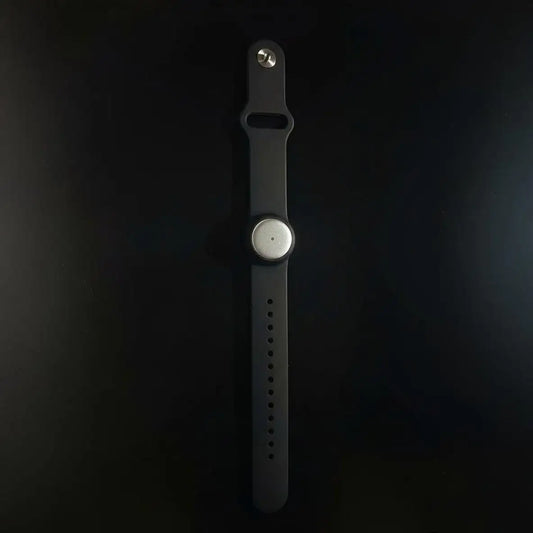
- Capture, hands-free. Charge it overnight, wear it during the day (many people prefer necklace-style; some use a wrist setup). The point is to make recording feel like part of your routine, not a separate project.
- Turn voice into text you can actually reuse. Transcripts are useful, but only if you can find what matters later. That’s why the “searchable” part is non-negotiable.
- Get structure. Summaries, decisions, and action items are what move work forward. You don’t want to replay audio to figure out who owns what.
- Ask better follow-up questions. Once you have a transcript, you can query it. “What did we agree on?” “What are the next steps?” “What did the client push back on?” Stuff like that — quick, specific, practical.
If you’re curious about the product mechanics (and the roadmap context), the official “how Omi works” page is here: How Omi works.
Browse by role
Choose the role that matches your day. Doesn’t have to be perfect. The goal is to get you to the guide that feels like, “yep, that’s my exact mess.”
Lawyers
If your work depends on accuracy, timing, and clean recall, notes are not optional. This guide focuses on capturing conversations responsibly and turning them into organized, searchable material you can actually use.
- Great for client calls, case prep, strategy discussions, and internal handoffs.
- Focus on clear summaries, issue spotting, and next steps you can track.
- Extra emphasis on consent and handling sensitive information correctly.
Clinicians (faster charting)
Charting steals time. This guide is about getting the core clinical story into structured notes faster, without losing the nuance that matters.
- Designed for appointments, rounds, and quick clinical decision moments.
- Emphasis on practical structure and reducing rework after the fact.
- Built with consent and facility policy in mind.
Read the clinicians charting guide
Clinicians (wearable AI scribe workflow)
This one leans into the “scribe-like” workflow: you stay present with the patient, and the system helps you convert the conversation into usable documentation later.
- Useful when you want hands-free capture that fits into real clinic flow.
- Focused on turning dialogue into clear, reviewable notes.
- Strong reminder: always follow consent, privacy standards, and local requirements.
Read the wearable scribe guide
Sales professionals
Sales notes are where deals quietly die. Not because people don’t care, but because the follow-up gets messy. This guide is about capturing calls, pulling out objections and next steps, and getting to a clean follow-up faster.
- Best for discovery calls, demos, renewals, and internal deal reviews.
- Great when you want action items and “what to do next” clarity.
- Also helpful for coaching and reviewing patterns over time.
Content creators
If your best ideas show up while you’re walking, driving, or mid-conversation… welcome to the club. This guide is about voice-to-notes that actually turns into drafts, outlines, and publishable momentum.
- Capture hooks, story beats, script ideas, and “say it like this” phrasing.
- Turn raw voice into organized content assets instead of scattered notes.
- Useful if you create consistently and need a system that keeps up.
General workers and professionals
This is for the “I talk to a lot of people and things move fast” category. Meetings, quick syncs, customer chats, internal handoffs — the stuff that never feels important until later.
- Great if your work is cross-functional and context-heavy.
- Helps turn scattered conversations into a searchable system.
- Perfect as a baseline workflow if you’re not sure where you fit yet.
Read the general professionals guide
Teachers
Teaching is constant context switching. Classes, office hours, meetings, student conversations. This guide focuses on turning those moments into notes you can review later, without trying to type while you teach.
- Useful for lesson reflections, student support notes, and meeting outcomes.
- Helps you stay present, then review and organize later.
- Consent and classroom policy matter here too.
Students
Students usually want the same thing: stop missing details and stop wasting time rewinding audio. This guide is built around lectures → transcription → structured notes you can actually study from.
- Strong fit for lecture-heavy classes and dense topics.
- Includes organization habits (folders, favorites, and fast retrieval).
- Reminds you to get permission before recording.
Project managers
PM work lives in meetings. Standups, stakeholder syncs, risk reviews, backlog decisions. This guide focuses on converting those conversations into clear minutes and action items, fast.
- Great for turning “we talked about it” into “here’s what we decided.”
- Helps with ownership clarity, follow-ups, and fewer “wait, what?” moments.
- Useful for reducing status update overhead.
Executives
Exec meetings aren’t just meetings. They’re decisions, priorities, and accountability. This guide is built for turning meeting talk into structured minutes that help you move the org.
- Designed for leadership meetings, 1:1s, reviews, and fast decision cycles.
- Focus on decisions, risks, and action items with owners.
- Built around responsible recording practices.
Human resources
HR conversations are high-context and often sensitive. This guide focuses on capturing interviews, debriefs, and policy discussions in a way that stays organized and responsible.
- Useful for hiring loops, performance conversations, and internal process alignment.
- Helps turn conversations into clear summaries and next steps.
- Extra attention to consent and privacy hygiene.
Operations teams
Ops is where “small misses” become expensive. Shift handoffs, incident reviews, process tweaks. This guide is about turning operational conversations into clear notes that teams can reuse.
- Great for recurring ops meetings, handoffs, and on-the-ground updates.
- Helps create consistent documentation without slowing the work.
- Works well when paired with a simple folder system.
IT ops
Incidents and triage calls are detail-heavy. People talk fast, and later you need a clean timeline. This guide focuses on capturing the conversation and turning it into something you can act on and share.
- Useful for triage calls, postmortems, escalation reviews, and handoffs.
- Helps translate “what happened” into clear steps and owners.
- Good for reducing repeat questions across teams.
Marketing
Marketing moves on ideas, but ideas die when they stay trapped in a meeting. This guide focuses on turning brainstorms and planning calls into briefs, angles, and tasks you can actually ship.
- Great for creative reviews, campaign planning, and stakeholder feedback.
- Helps you capture phrasing, positioning, and decisions.
- Useful for reducing “what did we agree on?” loops.
Legal departments and teams
Internal legal work is a constant stream of context: stakeholders, requirements, risk trade-offs, approvals. This guide focuses on capturing that context cleanly, so legal isn’t forced to “re-remember” everything twice.
- Great for internal consultations and policy alignment.
- Helps document decisions and follow-ups in a team-friendly way.
- Emphasis on privacy and responsible handling.
Finance teams
Finance meetings are full of decisions that need to be crisp: approvals, risks, timelines, owners. This guide focuses on getting clean minutes and clear follow-up, without living inside your calendar.
- Useful for forecast reviews, budget discussions, and stakeholder alignment.
- Helps preserve rationale, not just outcomes.
- Great when you need audit-friendly consistency in notes.
Accounting teams
Accounting work runs on deadlines and precision. Meetings around close, reconciliations, and exceptions move fast. This guide is about turning those conversations into actions you can track and finish.
- Great for close planning, exception reviews, and coordination calls.
- Helps reduce follow-up chaos and misalignment.
- Pairs well with a simple “by month/close cycle” folder structure.
QA teams
QA conversations often include the details people forget later: what was observed, what was agreed, what changes next. This guide focuses on audits, CAPA, and defect triage with structured outputs.
- Useful for audit walkthroughs, findings reviews, and corrective action planning.
- Helps keep evidence, decisions, and next steps aligned.
- Great for turning verbal reviews into consistent documentation.
R&D
R&D meetings are where technical decisions get made — and where the rationale matters later. This guide focuses on capturing the why, not just the what.
- Great for design reviews, research discussions, and technical planning.
- Helps preserve trade-offs and assumptions, not just outcomes.
- Useful for knowledge sharing across teams.
Browse by team
Sometimes you’re not searching by job title. You’re searching by “kind of work.” These clusters are the same guides, just grouped so your brain can scan faster.
Regulated or high-stakes conversations
When consent, confidentiality, and clean recall matter a lot, you want workflows that treat recording responsibly. Start here if your conversations carry legal, clinical, or policy weight.
Revenue and growth
This cluster is about speed and clarity. Capture the call, pull out the real objections and decisions, and move the next step forward without guessing.
Leadership, people, and alignment
If your day is meetings, decisions, and follow-through, these guides tend to click quickly. They’re built around minutes that feel useful, not ceremonial.
Operations and reliability
These workflows are built for teams that need consistency: what happened, what changed, what’s next, who owns it. Less scrambling. More clarity.
Finance and back office
When decisions need to be traceable and deadlines are real, clean notes aren’t “nice to have.” This cluster focuses on consistent documentation and follow-up.
Education
In education, the big win is reducing cognitive load. Stay present now, review later. These guides focus on the real constraint: you can’t listen deeply and type perfectly at the same time.
Technical and product work
If your team runs on design reviews, trade-offs, and “we’ll regret not writing this down,” start here. These workflows emphasize rationale and knowledge reuse.
Quick start paths
If you want a simple “tell me where to begin,” pick the path that matches your goal. You can always come back and explore the rest later.
Path 1: meeting minutes and action items
You care about decisions, owners, and follow-through. Start with leadership and meeting-heavy roles. These guides are built to reduce the “we talked about it” problem.
Path 2: sensitive conversations that require care
You need clean recall, but you also need to be responsible. Start with the regulated / high-stakes cluster. These guides emphasize consent and careful handling.
Path 3: speed for follow-ups and creative output
You’re trying to move fast. Follow-up emails. Drafts. Briefs. Scripts. Next steps. This is the “capture now, shape later” workflow.
If none of these fit and you just want a solid baseline, start here: General professionals.
Common workflows
Use cases tell you where Omi helps. Workflows tell you how to make it stick. If you’re the kind of person who loves a repeatable routine, this section is for you.
The workflows hub lives here: Workflows. Below are the patterns most people use across roles.
- Meeting → transcript → summary. Capture the conversation once, then skim a structured recap later instead of replaying audio.
- Meeting → decisions → action items. The classic “who owns what” workflow. Especially useful for leadership, PM, ops, and finance.
- Capture → organize → retrieve. Use folders, favorites, and search so the good stuff doesn’t disappear into chaos.
- Transcript Q&A. Ask direct questions about what was said and pull out the parts you need, quickly.
- Build long-term recall. If you want the “bigger memory layer” concept, explore: Augmented memory.
Integrations
A small reality check: notes are only useful if they land where you work. When you can connect outputs to your existing systems, Omi stops being “another app” and starts being a habit.
Browse integration ideas here: Integrations.
If you’re more curious about AI-to-tool connections in general, there’s also: AI integrations.
Privacy and consent
Recording is powerful. It can also be invasive if you do it wrong. The safest policy is simple: be transparent and get permission.
A few practical habits that keep you out of trouble:
- Ask first. Don’t assume. A quick “Are you okay if I record so I don’t miss anything?” goes a long way.
- Follow policy. Schools, clinics, legal environments, and workplaces often have explicit rules. Use them.
- Don’t record where it’s inappropriate. If it feels questionable, it probably is. Skip it or get explicit written consent.
- Treat transcripts like documents. If the conversation is confidential, handle the output with the same seriousness.
For the full hub, go here: Privacy.
If you’re evaluating Omi for regulated environments, this announcement is worth reading: Omi is now SOC 2 & HIPAA compliant.
FAQ
What is Omi used for?
Omi is used to capture conversations hands-free and turn them into things you can reuse: transcripts, summaries, action items, and searchable memories.
The big win is simple: you stay present in the moment, then you get structure afterward.
What makes a “use case” guide different from a generic product page?
A product page explains what something is. A use case guide shows how people actually use it: what to record, what to extract, how to organize, and how to avoid common mistakes.
Is there a free tier?
Yes. Omi includes a free tier with 1,200 minutes per month. If you need unlimited usage, there are upgrade options.
Is Omi just “a recorder”?
Recording is the start, not the finish. The practical value comes from turning conversations into searchable text and structured outputs like summaries and action items.
Do I need permission to record?
Yes. Always get consent before recording and follow local laws and workplace policies. For classrooms and clinics, there are often additional rules. Respect them.
Which roles benefit fastest?
Roles with lots of meetings and follow-ups tend to feel the impact quickly: executives, sales, project managers, ops teams, clinicians, and legal teams.
Where should I start if I don’t fit any of the roles listed?
Start with the general professionals guide. It’s the baseline workflow that maps to most jobs. From there, you’ll usually realize which specialized guide matches your day.
Can I learn the “conceptual” side of this without picking a role?
Yep. If you want to understand the category and why it’s growing, start with: Ambient AI and AI wearables.
Keep exploring
If you’re still deciding, here’s a clean approach: pick one guide, try the workflow for a week, and see what changes. Most people notice the difference when they stop “reconstructing” conversations from memory.