AI note taker from audio, in one workflow
An AI note taker from audio should do more than transcribe. It should turn any recording into clean notes, decisions, and tasks you can actually act on, without replaying 45 minutes of audio to find one sentence.
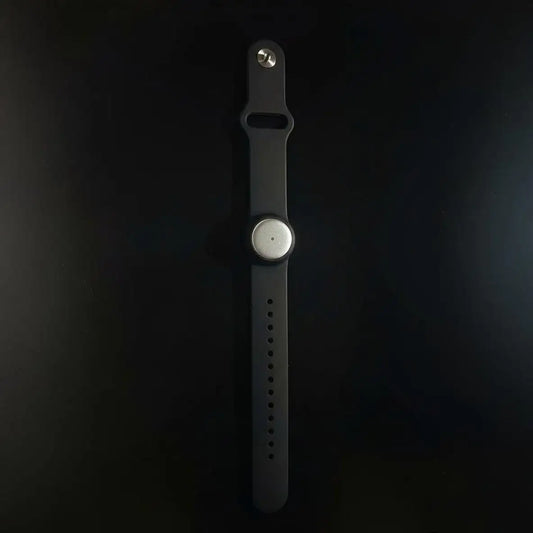
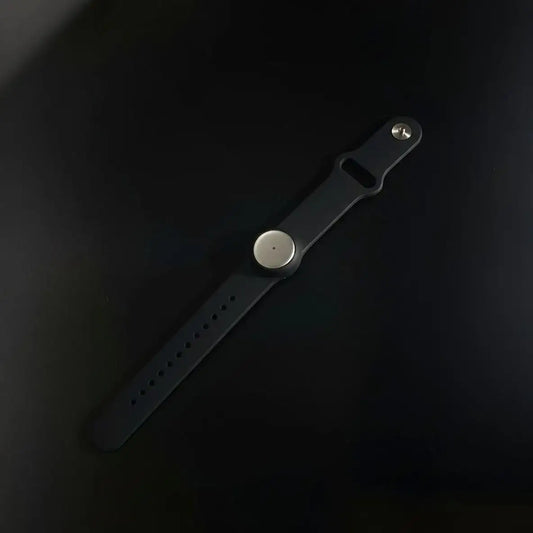
We built Omi for exactly that reality: record in-person conversations all day (wear it on your neck, wrist, or under your shirt), record online meetings in Zoom, Meet, Teams, and more, and also upload audio files when you already have recordings.
Everything becomes summaries, tasks, and searchable memories across Mac, Windows, iPhone, Android, and browser, with templates, quick sharing, and automations that move work forward.

Key takeaways for AI note taker from audio
- AI note taker from audio is worth it when you want outcomes: decisions, tasks, owners, and dates, not just a transcript.
- Audio quality is the multiplier. Clean capture beats fancy features, every time.
- Templates turn “a summary” into a repeatable deliverable (briefs, study kits, postmortems, sales follow-ups).
- Automations are the difference between “nice notes” and consistent follow-through.
What an AI note taker from audio really is
An AI note taker from audio converts recordings into a transcript and then turns that transcript into structured notes: key points, decisions, action items, and follow-ups. The best systems also let you search everything later, share a clean recap fast, and reuse templates so your output stays consistent.
Audio-to-notes AI matters because humans are not built to remember exact wording. We remember the vibe, then we guess the details. A good AI audio note taker protects the details while you stay present in the conversation.
-
Transcription-only tools
Useful for text, but you still have to find the important parts and create tasks yourself. It’s “audio to text,” not “audio to action.”
-
AI note taker from audio systems
Designed to produce structured notes, decisions, tasks, and a searchable memory, so recordings become useful the same day.
Quick comparison table:
| Option | Best when | Not ideal when | What to do next |
|---|---|---|---|
| Omi (all-day + meetings + uploads) | You want one AI note taker from audio for in-person, online meetings, and files, across all devices | You only need a one-off transcript and nothing else | Pick a template, generate notes + tasks, then automate the follow-up |
| Upload-first tools (audio files) | You mostly process existing recordings (interviews, lectures, podcasts) | You want always-on capture and full-day memory | Choose a tool with speaker labels, summaries, and easy exports |
How AI note taker from audio works, under the hood
Most AI note taker from audio tools have two layers. First, speech-to-text (STT) creates a timestamped transcript. Then an AI model turns the transcript into structured notes, action items, and sometimes topic sections or highlights.
Where quality shows up is in the “last mile”: speaker labeling, domain vocabulary, task extraction, and how easily you can reuse output across your workflow. That last mile is what makes a system feel like a second brain instead of a transcription tool.
Audio quality signals that improve any AI note taker from audio
- Distance: closer mic usually beats any setting inside the app.
- Overlap: fewer interruptions means cleaner speaker separation.
- Noise: echo and background audio cause missing names and wrong action items.
- Vocabulary: products, acronyms, and names benefit from consistent spelling and context.
AI note taker from audio use cases that actually matter
The fastest way to judge an AI note taker from audio is by deliverables. Can you get a recap you’d confidently forward to your team? Can you get tasks you’d actually assign? Can you find the moment later without scrubbing audio?
-
Creators: audio to outline, fast
Turn interviews and voice notes into a publish-ready outline and action list. See examples for content creators.
-
Students: lecture to study kit
Convert lecture recordings into structured notes, key definitions, and review questions. See students and lecture to study kit workflow.
-
Teachers: searchable lesson memory
Capture lessons, office hours, and discussions, then reuse them as structured notes. See teachers and professors.
-
Project work: decisions and owners
Turn meetings into decisions, tasks, and risk logs. See project managers and AI meeting summary workflow.
If you want a broader menu of role-based outputs, start in the use cases hub and match templates to what your team needs.
Tools you can use as an AI note taker from audio
There are a few popular categories of AI note taker from audio tools, and each one has a different “best moment.” Some shine at file uploads. Some shine at meetings. Some are built for editing and publishing. Some give you APIs to build your own pipeline.
| Category | Examples | Best for | Watch-outs |
|---|---|---|---|
| Unified capture + notes + tasks | Omi | All-day conversations + online meetings + audio uploads, one memory, any device | Always-on workflows require clear consent habits |
| Meeting assistants with uploads | Otter, Fireflies, Read.ai | Meeting recaps, searchable transcripts, and file processing for past recordings | Some setups depend on meeting access, plan limits, or bot policies |
| Upload-first transcription + summaries | Notta, Sonix, AudioNotes | Interviews, lectures, podcasts, and file-based workflows | Great output, but not always built for “all-day memory” |
| Creator editors | Descript | Turning audio into publishable content, show notes, and clips | More editing-oriented, less “team task system” oriented |
| Build-your-own APIs | AssemblyAI, Google Speech-to-Text, AWS Transcribe, Azure | Custom compliance, custom storage, custom workflows | You own the engineering and the quality tuning |
If you want external references on audio transcription and summarization, these are solid starting points: Otter’s guide on summarizing transcripts and Zapier’s roundup of AI meeting assistants.
AI note taker from audio, step by step (the version that scales)
This is the workflow we see stick long-term because it doesn’t rely on motivation. It relies on capture, structure, and automatic follow-through. It works for one voice memo and it works for an entire company’s meeting culture.
Step 1: Capture audio in the right mode
For in-person moments, capture continuously and let the system turn conversations into searchable memories. For online meetings, record through desktop or web so it works in Zoom, Meet, Teams, and more. For existing recordings, upload the file and process it as audio-to-notes AI.
Step 2: Generate structured notes with a template
Run the AI note taker from audio output using a template that forces structure: context, key points, decisions, action items (owner + due date), risks, and follow-ups. Structured notes travel better across teams than long paragraphs.
Step 3: Convert action items into tasks
Turn tasks into real work immediately. The best action items look like: verb + owner + due date. If you’re doing meeting workflows across teams, explore the workflows hub for patterns you can reuse.
Step 4: Automate sharing and updates
Use automations to push recaps, create tickets, update CRMs, and maintain a searchable vault. If your team uses Zapier, Make, or n8n, connect your output through Omi automation integrations so “notes” become “work done.”
Is an AI note taker from audio safe?
It can be safe, but only if you treat recordings like sensitive data. The biggest risks are recording without clear consent and storing audio/transcripts without proper access controls or retention rules. A responsible AI note taker from audio workflow makes consent obvious and keeps sharing intentional.
We’re privacy-first: encrypted data, strong access controls, and enterprise-grade security. For teams who need it, we support SOC 2 and HIPAA compliant environments, so your AI audio note taker doesn’t become a security headache.
- Convenience: faster notes and follow-ups vs the need for explicit consent habits
- Accuracy: great results with clean audio vs weaker results with noisy rooms and cross-talk
- Retention: searchable memory vs being intentional about what you keep long term
If you want a practical governance pattern, pair audio capture with a repeatable policy workflow, then operationalize it across teams. That’s how recording stays safe and useful.
FAQ about AI note taker from audio
How often should I use an AI note taker from audio?
If you’re using it for meetings only, use it for every meeting that produces decisions and tasks. If you’re using it as a memory system, capture the moments you’d normally forget: hallway decisions, fast brainstorms, voice memos, and follow-ups that otherwise live in someone’s head.
What makes an AI note taker from audio produce better action items?
Structure. The best outputs come from templates that force “owner + due date” and separate decisions from tasks. Speaker labeling also helps, because task ownership becomes clearer when voices are identified correctly.
Can AI note taker from audio work for lectures and long recordings?
Yes, especially when the tool can segment topics and keep timestamps. For study workflows, structured output beats a long transcript. That’s why “lecture to study kit” patterns work so well on real recordings.
Do I need multiple tools for files, meetings, and in-person audio?
You can, but it’s friction. A unified AI note taker from audio approach is simpler: capture in person, capture online meetings, upload files, and keep one searchable memory with consistent templates and automations.
How do I turn AI note taker from audio into a team habit?
Standardize deliverables. A short recap, a decisions list, and a task list with owners. Then automate where that output goes. When the team can trust the output, the habit becomes natural, because it saves time immediately.
Next step for AI note taker from audio
Run one real recording through an AI note taker from audio, then judge it by outcomes: do you get clear notes, clear decisions, and tasks that move work forward?
To explore role-based patterns, start with content ideation to publish and expand into the workflow library from there.

 www.omi.me