TL;DR
An all day AI recorder is a wearable that captures what you say and hear, then turns it into searchable transcripts, summaries, tasks, and memories. In 2026, the tech is real and surprisingly helpful, but it still has “early category” edges, especially in noisy rooms and sensitive situations.
The biggest win of an all day AI recorder is simple: fewer dropped follow-ups and fewer “wait, what did we decide?” moments. The best setup is usually hybrid, record high-signal windows (meetings, calls, key conversations) and pause when consent or context gets complicated.
If you want one all day AI recorder that covers in-person and online meetings across Mac, browser, iPhone, and Android, we built Omi for exactly that. We also support templates, automations, an apps marketplace, and developer-grade API + MCP so your notes can actually move work forward.

All day AI recorder in 2026, what it is and why it’s exploding
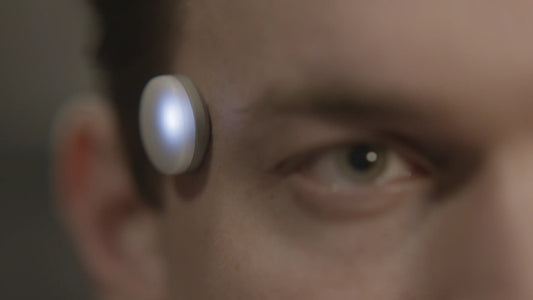
An all day AI recorder is not “a voice recorder with AI slapped on.” The point is retrieval and follow-through. You capture conversations once, then later you search, ask questions, share a clean recap, and ship tasks without re-listening to hours of audio.
What changed in 2026 is attention from big tech. Meta acquired Limitless, the pendant designed for always-on memory, and Limitless stopped selling new pendants after the acquisition. Amazon moved into the same lane by acquiring Bee, a wearable built around ambient listening and daily summaries.
OpenAI has been reported to be developing a pocket-sized, context-aware device with a major manufacturing partner, signaling a push toward “AI-native hardware” rather than AI living only inside apps. Apple has also been reported to be developing an AI wearable pin with microphones and cameras.
That’s the bigger story: the all day AI recorder category is becoming the front door for context. Not just “notes,” but memory you can query, reuse, and automate.
All day AI recorder devices and pricing (Omi, Fieldy, Bee, Limitless)
Let’s be practical. Here are the main all day AI recorder options people compare in 2026, plus what you actually pay over time.
| Device | What it’s best at | Battery / capture style | Typical pricing |
|---|---|---|---|
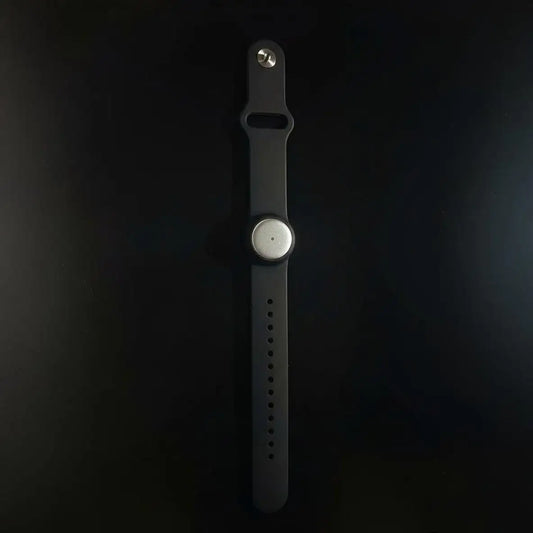
| Omi | One all day AI recorder for in-person + online meetings, with structured outputs, templates, automations, and developer tools (API + MCP). | Designed for all-day wear, with local mode when you want cloud-free capture. | $179 device, free plan included, unlimited cloud transcription starts around $22/month. |
| Fieldy | Wearable “remember everything” note layer focused on reminders and summaries. | Often cited as ~3 days battery, with offline storage mentioned on community listings. | Memberships: Free, Plus $9.99/mo, Unlimited $15.99/mo. |
| Bee (Amazon) | Personal daily recaps and “life summary” style memory, with ambient listening. | Always-listening concept, but user experience can vary and context confusion has been reported in long-form reviews. | $49.99 device + about $19/month subscription (commonly reported). |
| Limitless pendant (Meta) | The market signal: “memory pendant” is strategic enough for Meta to buy the team and tech. | Not available for new buyers. | No longer selling pendants as of Dec 5, 2025. |
One detail that matters: some products are closer to “AI voice recorder sessions” (press to record), while others aim to be a true all day AI recorder with ambient capture. That choice changes battery, privacy, and how often you’ll actually use it.
All day AI recorder vs meeting bots (and when to use both)
People lump everything into “AI meeting notes,” but the job is different. A meeting bot shines when a calendar invite exists and consent is formal. An all day AI recorder wins when the conversation happens in the hallway, in the car, in the clinic, at the whiteboard, or right after the call ends.
-
Pick an all day AI recorder when
You want passive capture across real life, then fast retrieval, daily recaps, and tasks that don’t depend on perfect memory.
-
Pick meeting-only tools when
You mainly need notes for Zoom/Meet/Teams and you want standardized compliance inside scheduled calls.
Our favorite pattern is hybrid: your all day AI recorder captures real-world context, then your team uses structured workflows for the moments that need governance. If you want a strong starting place for consent, bookmark recording consent governance.
How an all day AI recorder actually works (the real pipeline)
Under the hood, an all day AI recorder is a pipeline that turns messy audio into useful artifacts. The microphone is only step one. The value is everything that happens after speech becomes searchable structure.
- Capture: far-field mics pick up speech, plus quick controls to pause, mute, or mark moments.
- Transcription: speech-to-text, ideally with speaker identification and custom vocabulary support.
- Structuring: summaries, action items, and “memories” you can search later.
- Retrieval: search + ask questions, like “what did we decide about pricing?” and get an answer grounded in your captured day.
- Automation: push follow-ups into the tools you already use, or build your own with API + MCP.
If your all day AI recorder doesn’t reduce follow-up friction, it’s not done yet. The goal is action, not transcripts.
All day AI recorder accuracy, what’s realistic (and what’s fantasy)
In 2026, an all day AI recorder can be accurate enough to save you hours every week. It’s still not magical. Speaker overlap, loud environments, and background media can cause mis-transcriptions and weird summaries.
Long-form reviews of Bee are a good reminder of the edge cases: when a system tries to “fill gaps,” it can invent context or misattribute who said what.
- Best-case accuracy: 1:1 conversations, normal room noise, wearable positioned consistently.
- Hard-mode accuracy: restaurants, cars with road noise, big groups, multiple speakers interrupting.
- Most important habit: review the recap and star the high-stakes items (deadlines, numbers, promises).
This is why we designed Omi around “capture + structure + review.” The all day AI recorder helps you remember, but you stay in control of what becomes a task, what gets shared, and what gets ignored.
All day AI recorder privacy, consent, and why trust is the product
If you’re wearing an all day AI recorder, privacy is not a footnote. It’s the whole deal. You need clarity on what’s recorded, what’s stored, what’s deletable, and how you handle consent with real humans.
- Consent-first by default: you should be comfortable saying “I record for notes, is that ok?” before you hit record.
- Fast pause control: the best all day AI recorder workflows assume you’ll pause often in sensitive moments.
- Retention control: delete or export when you want, not when a system decides.
On our side, we built Omi to be privacy-first: enterprise security, SOC 2 + HIPAA safeguards, encryption (TLS in transit + AES-256 at rest), and the ability to run locally when you want cloud-free capture.
We also don’t retain raw audio after processing, with a clear exception for an optional personal speech sample if you choose to store it for voice recognition.
All day AI recorder use cases by role (where it pays off fastest)
An all day AI recorder tends to “click” fastest for people who live in conversations. If you want a quick map of role-specific workflows, start with our use cases hub.
-
Sales teams
Capture objections, next steps, and decision criteria, then ship follow-ups without guessing. See sales.
-
Executives
Turn “verbal alignment” into a searchable decision trail, and reduce rehash meetings. See executives.
-
Marketing
Keep brainstorming usable: capture the why, the constraints, and the final decision. See marketing.
-
IT and technical teams
Postmortems, vendor calls, and incident context are memory traps. Capture it once. See IT.
-
Human resources
Interviews, debriefs, and policy discussions get clearer when notes are consistent. See human resources.
-
Clinicians and healthcare
High context, high stakes. You need privacy and control, plus recall. See clinicians.
-
Students
Turn lectures into study kits you can search, review, and summarize. See students.
-
Operations leaders
Shift handoffs and process decisions become searchable, instead of disappearing in Slack threads. See operations.
This is also why the all day AI recorder category helps ADHD and “bad memory” users: it reduces the anxiety gap after a conversation. The device isn’t the cure. The recall loop is the relief.
How to use an all day AI recorder with Omi (in-person + online)
The fastest way to get value from an all day AI recorder is to treat it like a simple system: capture, summarize, review, then act. Here’s a workflow we see working across roles.
Step 1, set your capture rules (so your all day AI recorder feels normal)
Pick “high-signal windows” for recording: meetings, calls, sales conversations, lectures, interviews, and decision moments. Pause in sensitive situations. If you need structure around consent, our recording consent governance workflow is a solid baseline.
Step 2, capture anywhere (wearable, phone, Mac, browser)
Use Omi as your all day AI recorder across devices: wear it for in-person conversations, then capture online meetings through Mac or browser. That way your day lives in one searchable timeline, not five different tools.
Step 3, review the recap and push tasks into your workflow
Do a short daily review, star the important conversations, share the recap when needed, and export tasks. If you want automations, connect Omi with your stack using n8n, Zapier, or Make.
This is where an all day AI recorder stops being “another app” and starts being leverage.
All day AI recorder templates you can copy (daily recap, sales, lecture)
Templates are the difference between “a summary” and “a usable output.” Below are three lightweight templates that make an all day AI recorder feel immediately practical.
Template 1, daily recap
Daily recap (all day AI recorder)

Top 5 moments that mattered:
-

Decisions made:
- Decision:
  Why:
  Owner:

Promises / commitments:
- Who:
  What:
  When:

Open loops to close tomorrow:
-

People to follow up with:
-

One sentence I want to remember:
-
Template 2, sales call follow-up
Sales call recap (all day AI recorder)

Customer goal:
-

Current setup:
-

Pain points (verbatim-ish):
-

Decision criteria:
-

Budget / timeline:
-

Objections:
- Objection:
  Best response:
  Proof:

Next steps:
- Task:
  Owner:
  Due date:
Template 3, lecture to study kit
Lecture summary (all day AI recorder)

3 key concepts:
-

Definitions:
- Term:
  Definition:

Examples:
-

Likely exam questions:
-

Flashcards:
- Q:
  A:
These templates work across roles because they turn your all day AI recorder into consistent structure. Consistency is what makes search and recall feel “instant.”
Common all day AI recorder mistakes (and how to avoid them)
- Recording everything on day one: it feels powerful, then it becomes noise and you stop reviewing.
- Hiding the device: social trust drops fast when recording feels secret.
- Trusting summaries without review: any all day AI recorder can be wrong in noisy or emotional moments.
- No output loop: if tasks don’t land in your real system, your “notes” won’t change anything.
- Ignoring governance: consent, storage, and deletion rules matter more than most people expect.
The fix is boring but effective: high-signal windows, visible consent, daily recap review, and structured templates. That’s how an all day AI recorder stays useful.
FAQ about all day AI recorder devices
Is an all day AI recorder legal to use?
Laws vary by country and state, and workplace policies can be stricter than the law. The safest approach is consent-first: ask before recording, make recording visible, and pause in sensitive situations. If your team needs a repeatable process, start with a clear consent workflow and stick to it.
Do all day AI recorders store raw audio?
It depends on the product and your settings. Some systems focus on storing transcripts and summaries while minimizing raw audio retention. With Omi, raw audio is not retained after processing, with an optional exception for a personal speech sample if you choose to store it.
Which all day AI recorder is best for work and online meetings?
If you want one all day AI recorder that covers in-person conversations and online meetings across devices, prioritize cross-device capture plus structured outputs (summaries, tasks, templates) and integrations. That’s exactly why we built Omi with wearable capture, Mac, and browser support in one searchable timeline.
Why do some reviews say these wearables feel like beta products?
Because real life is messy. Background audio, speaker overlap, and ambiguous context can confuse any model. Bee’s long-form review is a good example of how “always listening” can sometimes misread a situation. That’s why the daily recap review habit matters.
Will big tech bring all day AI recorder features to glasses?
It’s a reasonable direction to expect, but timelines and features are unknown. Meta acquiring Limitless is a strong signal the “memory” category matters. Amazon acquiring Bee is another. OpenAI and Apple are also reported to be exploring AI-native devices and wearables.
Where can I read more from independent reviews?
Two solid external deep dives: Bee review and real-world pros/cons and Plaud NotePin review for wearable recording.
Quick takeaway
- All day AI recorder value is action, not audio. Capture once, then search, share, and ship tasks.
- Use all day AI recorder “high-signal windows” and pause when consent or context gets sensitive.
- Pick a system that covers in-person + online, then add templates and automations as your habit grows.
- For role-specific workflows, start with the use cases hub and copy what fits your day.

 www.omi.me