Quick takeaway
If you’re hunting for a free ai note taker, here’s the blunt truth: “free” almost never means unlimited. It usually means caps on minutes, meeting length, retention, exports, or AI summaries.
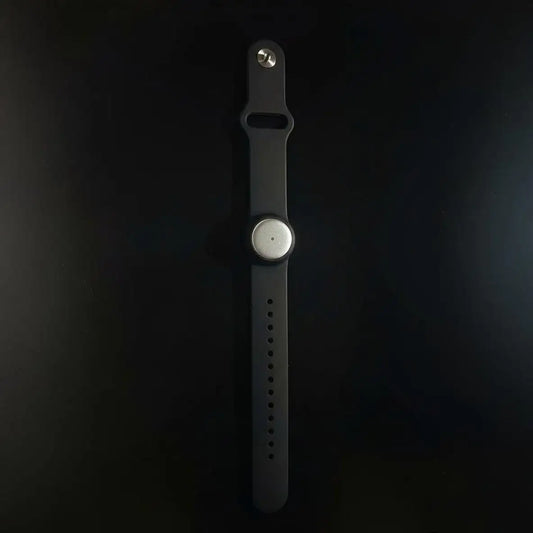
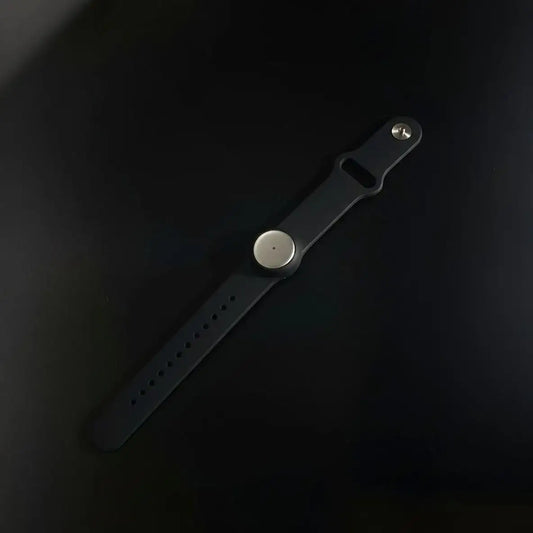
Our approach is simple: capture first, then turn it into something useful. With Omi you can record in-person conversations all day (wear it on your neck, wrist, or under your shirt), and you can also record online meetings across Zoom, Meet, Teams, and more using our Mac desktop app or the browser. Then we convert that into summaries, tasks, and searchable memories.
This guide shows what’s really free, what’s quietly capped, and how much does AI notetaker cost once you move past the “ai note taker free” stage.

What “free ai note taker” really means in practice
Most tools in this category were built for one moment in your day: the online meeting. That’s fine, until the most important decision happens outside the calendar invite. The hallway chat. The client call that turns into a quick in-person follow-up. The “wait, say that again” moment.
So when someone asks is the AI notetaker free, the real question is: free for what? Free for transcripts, or free for the part you actually want (summaries, action items, memory, sharing, automation)?
- Free forever: usable, but often scoped. Some products keep individuals free and monetize teams.
- Free with caps: minutes per month, minutes per meeting, or AI credits that run out right when you start trusting it.
- Free trial: great for evaluation, not great as a long-term “ai note taker free” solution.
- Bundled “free”: included inside Zoom, Google, or Microsoft, but you’re still paying somewhere in the stack.
For us, “free” should let you run a real workflow. That means enough minutes to test in-person and online capture, and enough output quality to judge whether it actually saves you time.
The limits that matter (the checklist most people skip)
If you do nothing else, check these 10 things before you trust any free plan with your week.
- Monthly minutes: how many minutes can be transcribed, summarized, or “listened to” each month.
- Per-meeting cap: some tools cut you off at 30 minutes, others at 60, some at 3 minutes (yep).
- AI summaries vs transcripts: transcripts may be unlimited, but summaries are limited by AI credits.
- Storage minutes: storage is a second cap that hits later and feels unfair when it does.
- Retention window: some free tiers delete old meetings after a few months.
- Exports: can you download transcript, notes, audio, or are you stuck in their UI.
- Sharing: is sharing gated to paid plans, or does it work cleanly out of the box.
- Integrations: the “real workflow” features (Notion, Slack, CRM, automation) often start paid.
- Bot behavior: does a bot join the call, and can your organization block it.
- Privacy controls: encryption, compliance posture, and whether you can delete and export easily.
A free plan that hides exports or deletes history is not “free”, it’s a demo with a time bomb.
A quick self-test: will a free tier survive your week
Here’s the simplest way to avoid wasting time installing five tools and uninstalling five tools.
- Estimate your weekly audio: meetings plus real-life conversations you’d actually want to remember.
- Multiply by 4: that’s your monthly baseline.
- Compare to the plan’s cap: if you hit the cap in week one, it’s not your tool.
Example: 5 meetings per week at 45 minutes is 225 minutes per week, around 900 minutes per month. Add in real-life conversations and you’re easily past 1,200 minutes if you record a lot.
If you want a practical framework for what “good notes” should look like (summary, action items, owners, follow-ups), start with our ai meeting summary workflow, then adapt it to your role later using our workflows pillar.
Free ai note taker comparison (what’s actually free, where you hit the wall)
This table is intentionally focused on the moment free stops being usable. Not marketing bullets, real limits.
| Tool | What’s actually free | The limit that usually bites first | When you typically need paid |
| Omi | Basic includes 300 listening minutes per month, and within that you still get transcription, summaries, tasks, and memories. | You hit monthly listening minutes if you record a lot of real life. | When you want continuous all-day capture without thinking about minutes. |
| Fathom | Free forever for individuals with unlimited recordings and transcripts, plus AI summaries. | Team features and shared workspace workflows. | When you need team-wide sharing, governance, or more control. |
| tl;dv | Free forever, generous capture, transcripts, and recording. | After your first 10 meetings, AI notes typically cover only the first 10 minutes, and video may be archived. | When you need full AI notes on every meeting and faster retrieval. |
| Fireflies | Free forever with transcription and basic features. | AI credits and storage minutes (you end up deleting older meetings). | When you want unlimited summaries, exports, and long-term storage. |
| Otter | Free plan exists and is easy to try. | 300 minutes per month and 30 minutes per meeting caps are common blockers. | When your meetings are longer than 30 minutes, or you need more volume. |
| Notta | Free plan exists for quick testing. | 3 minutes per conversation makes it feel like a preview, not a workflow. | When you need real meeting length and consistent exports. |
| Read.ai | Free with a small number of meetings per month. | Meeting count cap (not minutes) becomes the limiter. | When you want consistent usage across a team or heavy calendars. |
| MeetGeek | Free forever plan exists for occasional use. | 3 hours per month and retention limits are typical blockers. | When you need regular weekly meeting coverage. |
| Tactiq | Free plan exists for lightweight meeting transcription. | 10 transcripts per month and AI credits are limiting quickly. | When you want unlimited transcripts or heavier AI output. |
| Sembly | Free plan exists for basic notes and tasks. | Limited hours per month and meeting deletion after a few months. | When you need reliable history, exports, and multi-meeting chat. |
| Supernormal | Starter is free with unlimited meetings. | Storage minutes per seat and limited integrations and exports. | When you need full integrations, templates, and unlimited storage. |
| Granola | Basic is free and can cover a lot of meetings. | History retention and advanced integrations. | When you want unlimited meeting history and deeper integrations. |
| Krisp | Free trial exists. | Trial ends. | If you like the bot-free recording + notes setup and want it ongoing. |
If you’re choosing between “meeting-only” tools, start by deciding whether your biggest need is capture or memory. In case you need memory, your tool has to work across meetings and real life, not just calendar events.
Are there any free AI notetakers that work without causing awkwardness
One of the biggest “hidden costs” is social friction. Some tools join meetings as a participant bot. In some companies, that’s normal. For others, it’s blocked by policy. During client calls, it can get weird fast.
- The bot problem: someone asks “who is that participant” and you lose trust immediately.
- The IT problem: some organizations actively block note-taker bots and third-party meeting apps.
- The cleanup problem: even after uninstalling, “it keeps showing up” is a common complaint.
There are two ways teams avoid this:
- Bot-free capture modes: local recording through a desktop app or browser capture.
- Recorder-first workflows: capture from your side, then summarize and distribute the output.
Why our “free” feels different
We built Omi for the full day, not just the meeting. That means your default isn’t “invite a bot to Zoom”, it’s “capture the moment wherever it happens”.
- Record anything: in-person conversations, workshops, customer visits, calls, online meetings. Same pipeline, same quality expectations.
- Wearable capture: wear it on your neck, wrist, or under your shirt. No setup, no “start a meeting”.
- Outputs you actually use: summaries, tasks, and memories you can search later, not just a transcript wall.
- Automation-ready: when you want to go further, you can use our integrations and build your own workflows through API and MCP.
If you want to see what this looks like as a real system (not just “notes”), browse our integrations pillar and the MCP guide for Claude and Cursor.
Also, our app store has 665+ community apps today. You don’t have to build everything yourself.
How to evaluate an ai note taker free plan in 20 minutes
Use this tiny “trial script”. It saves you hours and it exposes limitations immediately.
Step 1: Run a 45-minute session
Not a 10-minute test. Run a real meeting length. If the tool caps at 30 minutes, you’ll discover it now, not next week.
Step 2: Ask for specific outputs
Request a summary, action items, risks, and decisions. If AI credits are limited, you’ll feel it here.
Step 3: Test search and recall
Search for a detail you know is inside. If search is weak, the tool becomes a transcript archive you never open.
Step 4: Export and share
Export transcript and summary. Share with one teammate. If this is gated, you’re paying for basic ownership.
Step 5: Try automation (even if you’re not technical)
At minimum, connect it to one destination (task manager, doc, CRM). If you’re technical, check whether an API exists, and whether it can read and write your data.
How much does AI notetaker cost once you outgrow free
Most pricing ends up in a few predictable bands:
- Light use: you can often stay near $0 if you only need occasional transcripts and don’t care about retention or exports.
- Regular meetings: many tools land around the “per user per month” range once you want consistent AI summaries and storage.
- Serious workflows: when you need automation, integrations, governance, or long-term memory, the cost is usually about reliability and control, not transcription.
A simple way to sanity check cost: if the tool saves you 30 minutes per week, that’s 2 hours per month. If your time is worth more than the subscription, it’s already paid for.
Best fits by role (where a free ai note taker breaks fastest)
Different roles hit limits differently. Here’s the honest version.
- Executives: your calendar volume breaks most free plans quickly, and you need clean summaries. See executives use case.
- Sales: you need action items, follow-ups, and a reliable memory of commitments. See sales use case.
- Marketing: you’ll care about ideas, decisions, and turning messy calls into briefs. See marketing use case.
- Students: lecture capture and study kits make “retention limits” painful. Start with students use case and the lecture to study kit workflow.
- Everyone else: browse the full use cases pillar and pick the workflow that matches how you actually work.
Faq
Ai note taker free, are there any that are truly usable
Yes, but “usable” depends on your volume. Some tools are great for occasional meeting notes and stay free for a long time. If you record a lot, minutes and retention are usually the first walls you hit.
Is the AI notetaker free if I’m using Zoom, Google Meet, or Teams
Sometimes it’s included (or partially included) in a paid suite, sometimes it’s a separate add-on, and sometimes it’s a third-party tool that joins as a bot. “Free” here usually means “already paid elsewhere.”
What’s the most common trap with free AI notetakers
Two traps: per-meeting caps (you only discover it on longer calls) and retention or exports (you only discover it when you need the notes later).
What if my company bans meeting bots
Look for bot-free capture modes (desktop or browser recording) or tools that capture from your side. The more sensitive your meetings are, the more this matters.
What makes Omi different from a meeting-only note taker
We don’t treat your life as “calendar events only”. We capture in-person and online moments, then convert them into summaries, tasks, and memories you can search and reuse later.
Further reading
If you want additional perspectives (and more tools in the ecosystem), these two are worth skimming:
Quick takeaway
- A “free ai note taker” is only free until you hit minutes, retention, exports, or AI credits.
- Test with a real 45-minute session, then test export and search.
- If your work happens outside meetings, pick a tool that captures real life too.
- If you want a solid baseline, start with our ai meeting summary workflow and scale from there.

 www.omi.me