TL;DR
An AI Note Taker for memory loss works like a calm second brain. It records what was said and heard, turns it into a clean recap, and lets you search or ask questions later, like “What did the doctor say about the dosage?”
For Alzheimer’s and dementia, an AI device for memory loss can reduce confusion by capturing high value moments: appointments, medication changes, caregiver handoffs, and family plans. The payoff is simple, fewer “we already talked about this” loops, less stress, more dignity.
In this guide we go deep on real workflows, compare the major devices and apps (Omi, Plaud, Fieldy, Otter, Fireflies, and more), and show how families and caregiver businesses can use an AI Note Taker for memory loss safely.

Table of contents
- What an AI note taker for memory loss actually does
- Why an AI device for alzheimer and dementia can help
- Who benefits from an AI note taker dementia workflow
- Real situations where an AI device for memory loss pays off
- AI note taker for memory loss workflows you can copy
- Comparison table: best AI note taker for memory loss options
- Privacy, consent, and trade-offs
- FAQ
- Next step
What an AI note taker for memory loss actually does
An AI Note Taker for memory loss records a conversation, transcribes it, and produces a short recap you can revisit later. That’s the core. The “second brain” part happens when you can search and ask questions about your own history, without relying on fragile recall.
In practice, the most useful output is not the transcript. It’s the recap that a tired human can read in 20 seconds. A good AI device for memory loss gives you: the top facts, the decisions, the next steps, and any dates and times.
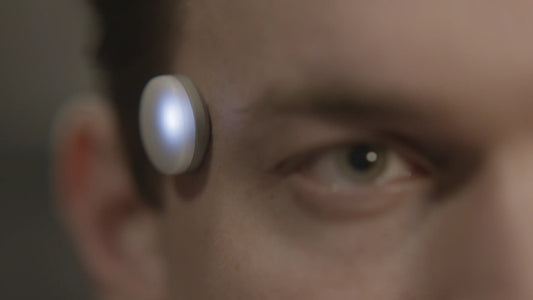
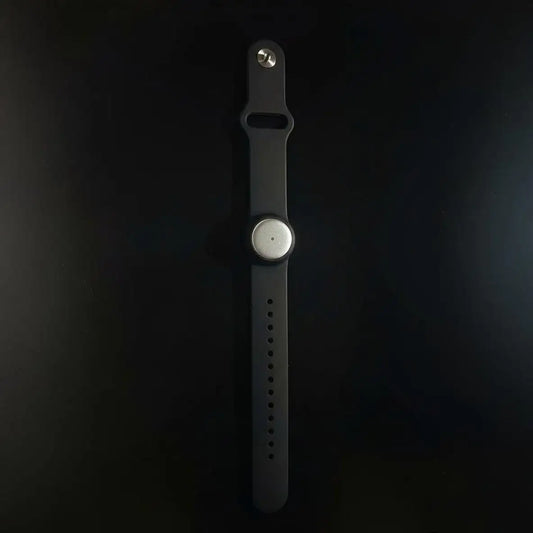
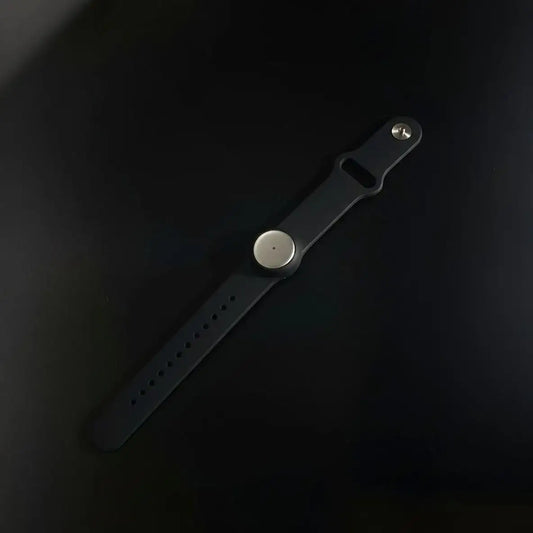
We built Omi around exactly this, capturing life as it happens (in person and online), then turning it into summaries, tasks, and memories that stay searchable across devices. That matters when the person affected forgets to press record, or when the family is coordinating care across phone calls, visits, and telehealth.
- Capture that works in real life: wearable recording for in-person moments, plus desktop and web recording for online calls.
- Daily recaps that feel human: short, readable “what happened today” summaries, not walls of text.
- Ask your history: search and Q&A over your own notes, so “what did we decide?” becomes easy.
- Shareable memory: send a recap to family or a care team when it matters, without re-explaining everything.
If you want examples of how people turn conversations into outcomes, the patterns are similar across roles. Browse our use cases hub for inspiration, then map the same “capture, recap, act” loop to memory support.
Why an AI device for alzheimer and dementia can help with recall
Memory loss creates a specific kind of friction. It’s not just “forgetting,” it’s the repeated uncertainty: appointments, instructions, names, plans, and the emotional toll of not trusting your own mind.
An AI Note Taker for memory loss helps because it replaces guessing with checking. Instead of debating what someone said, you pull up the recap. Instead of re-living stress, you re-read the plan.
For families supporting Alzheimer’s or dementia, an AI device for alzheimer can also reduce conflict. Not because it makes everyone “right,” but because it creates one shared source of truth that is calmer than arguments.
The second brain effect, without the hype
- Lower cognitive load: you stop trying to hold everything in your head.
- Better continuity: caregivers change, days blur, the notes don’t.
- Faster clarity: “what was the dosage?” becomes a quick search, not a phone call spiral.
- More dignity: the person affected can revisit their own daily recap instead of being corrected constantly.
Who benefits from an AI note taker dementia workflow
An AI Note Taker for memory loss is useful for more than one person. This is key. The affected person benefits, yes, but so do the people holding the care system together behind the scenes.
- The affected person: daily recaps, reminders, and searchable conversations to regain confidence and reduce “what did I miss?” moments.
- Families: shared notes for decisions, schedules, medication changes, and the small details that stop repeated stress.
- Caregivers: cleaner handoffs, fewer missed tasks, and less “reconstructing the day” from memory.
- Clinicians and care teams: clearer patient histories and better follow-through on instructions (especially after complex visits). See how teams already use structured capture in clinicians and healthcare.
- Caregiver businesses: home-care agencies can use an AI device for memory loss workflow to standardize shift notes and improve continuity, similar to how operations teams standardize critical handoffs.
A quick gut check: if your days include repeated questions, missed steps, or “I thought you said…” moments, an AI Note Taker for memory loss is usually worth testing.
Real situations where an AI note taker for memory loss pays off
Most people don’t need “record everything.” They need “record what reduces stress.” Here are the moments where an AI Note Taker for memory loss tends to feel instantly valuable.
- Doctor visits and discharge instructions: capture what changed, why, and what to do next.
- Medication updates: record dosage, timing, food requirements, and side effects to watch.
- Caregiver shift handoffs: what happened today, mood, sleep, food, incidents, what to watch tomorrow.
- Family planning: who is taking them to appointments, what needs to be bought, what bills are due.
- Telehealth calls: remote care is easy to misremember. A recap keeps everyone aligned.
- Quality of life moments: names, stories, and “good moments” that families want to preserve.
Two practical extras many families love: a weekly “what changed?” recap, and a running list of “questions for the next appointment.” That’s where a AI note taker dementia routine becomes a real system, not a gadget.
If you’re building a repeatable system across many people (family + caregivers + clinicians), it can help to borrow patterns from structured roles like professional workers and human resources, consistent templates, clear ownership, clean handoffs.
AI note taker for memory loss workflows you can copy
Below are three workflows we see work well in the real world. They’re intentionally simple. With memory loss, the best workflow is the one you’ll actually do when you’re tired.
Workflow 1: “appointment recap” with an AI device for memory loss
Record the visit. Say one sentence at the start: “This is today’s appointment recap.” After the visit, generate a recap with four sections: what we learned, what changed, next actions, and dates/times.
When the same question repeats later, don’t argue. Open the recap and read it together. Over time, this becomes the “trusted page” in your AI Note Taker for memory loss system.
Workflow 2: “daily recap” for AI note taker dementia support
At the end of the day, record a quick 2 to 5 minute voice log: meals, meds, mood, sleep, and anything unusual. Generate a daily recap and star any urgent items.
This pairs perfectly with a structured handoff routine. If you want a template you can reuse, adapt the logic from our shift handoff workflow.
Workflow 3: “family coordination” with an AI device for alzheimer care
Record the weekly family check-in. Ask for a recap plus a task list, with owners. Then share the recap. That’s it.
Teams do this constantly in business with meeting summaries, and the same logic works at home. If you want the structure, see our AI meeting summary workflow.
If consent is part of your daily reality (it usually is), we strongly recommend setting a simple household policy. Our recording consent and governance workflow is a good starting point.
Comparison table: best AI note taker for memory loss options
There are two big categories: wearable recorders (best for in-person life) and meeting assistants (best for scheduled online calls). Many families end up using both, until they realize it’s easier to keep everything in one place.
| Option | Type | Best for | Trade-offs to know |
|---|---|---|---|
| Omi | Wearable + cross-device apps + automations | All-day recall, in-person conversations, and online calls in one searchable history. Daily recaps, tasks, memories, custom templates, and integrations when you want them. | As with any AI Note Taker for memory loss, consent and privacy habits matter. Choose high-value moments first. |
| Plaud NotePin | Wearable recorder + companion app | In-person recording with summaries, good when you prefer a device-first approach. | Workflows can feel more “recording-centric.” Make sure it fits your daily recap habit. |
| Fieldy | Wearable AI note taker | Everyday capture and summaries, often positioned around health and chronic condition recall. | Feature depth varies. Check how you’ll organize and share notes across the care circle. |
| Otter | AI meeting assistant | Telehealth calls, scheduled family Zooms, searchable transcripts, meeting-style summaries. | Not designed for spontaneous in-person moments unless you run it manually. |
| Fireflies | AI meeting assistant | Online meetings across platforms, summaries, and searchable conversation history. | Meeting-first workflows. For “life moments,” you may still want an AI device for memory loss. |
| Accessibility transcribe apps | Mobile transcription | Quick live captions and basic transcripts when you need immediate text. | Often less “second brain” structure. You may need manual organizing. |
If you’re deciding between “one system” vs “many tools,” ask this: will the family remember where the note is stored when stress hits? That’s why many people choose a single AI Note Taker for memory loss they can use everywhere.
If you want to connect notes to calendars, chat, tasks, storage, or knowledge bases, explore our integrations hub. The goal is simple, less chasing, more continuity.
Privacy, consent, and trade-offs for an AI device for memory loss
Let’s be honest, the biggest risk with an AI Note Taker for memory loss is not “the AI.” It’s recording without consent, capturing bystanders, or storing sensitive information carelessly.
Here’s a simple rule that avoids drama: if you can’t comfortably explain the recording out loud, don’t record. In dementia care, trust is everything. The tech only works when people feel respected.
Trade-offs you should know
- Always-available capture vs comfort: wearables make memory support consistent, but some people dislike being recorded. Build a stop rule.
- Convenience vs control: cloud processing can be powerful, but you still want clear deletion, export, and encryption policies.
- Accuracy vs usefulness: transcripts can be imperfect. Recaps and search are what matter most for an AI device for alzheimer workflow.
- Sharing vs privacy: sharing helps coordination, but share only what’s necessary.
A consent script that works in the real world
Keep it short: “This helps us remember instructions so we don’t get confused later. Are you okay if we record and save a short summary?” If the answer is anything but yes, skip it.
If you need a practical policy template for families or caregiver organizations, our recording consent and governance workflow is built exactly for that kind of clarity.
FAQ about AI note taker for memory loss
Can an AI note taker dementia workflow replace caregiving?
No. An AI Note Taker for memory loss supports recall and coordination. It can reduce confusion, help track instructions, and preserve daily recaps, but it does not replace human care or medical advice.
What is the best AI device for alzheimer support: wearable or meeting app?
Wearables tend to win for in-person life, because they capture spontaneous moments. Meeting apps (like Otter or Fireflies) shine for scheduled online calls. Many families prefer one AI device for memory loss that covers both, so notes don’t split across apps.
How do we use an AI Note Taker for memory loss without recording everything?
Pick three “high value moments” for week one: appointments, medication changes, caregiver handoffs. Record only those. Generate short recaps. Review one recap per day. That’s usually enough to feel the second brain effect without overwhelm.
Is it legal to record conversations for memory loss support?
Laws vary by location. Some places require everyone’s consent. The safest approach for any AI Note Taker for memory loss is clear permission, clear boundaries, and an easy “stop recording” rule.
Where can I learn more about dementia routines and memory aids?
For non-tech routines, strong resources include guidance on caregiver routines and reminders from Alzheimers.gov and practical memory aids from Alzheimer’s Society UK. Pair those habits with an AI Note Taker for memory loss and you get both structure and searchable recall.
Next step for an AI device for memory loss setup
Start small. Choose three moments that cause the most stress, record only those for seven days, and review one daily recap together. If it reduces friction, expand slowly, add a “appointments” folder, and keep a simple consent rule.
Want more workflow ideas you can adapt to care? Browse our workflows hub and pick one that fits your routine.

 www.omi.me