TL;DR
Fireflies ai notetaker is a meeting-first AI note tool that joins calls, captures audio, creates transcripts, and generates summaries, tasks, and searchable records. It is strongest when your work is centered on scheduled online meetings and you want those notes to flow into other tools.
If you are researching how to use Fireflies, the biggest decision is not the button you click. It is your capture model, who gets recorded, how notes are routed, and what happens after the meeting. That is where teams either save hours or create new friction.
If you are comparing Fireflies alternatives, start with your real workflow. Some tools are best for bot-based meeting capture, some for botless calls, and some, like us, cover online meetings, in-person conversations, wearables, desktop, browser, mobile, memories, tasks, and automations in one system.

Fireflies ai notetaker in one sentence
Fireflies ai notetaker is an AI meeting assistant built to record, transcribe, summarize, and organize meetings, then sync outputs into tools like CRM, chat, docs, and project systems. The value is not just notes, it is what happens after the notes are generated.
On its official pages, Fireflies presents a bot-based AI note taker plus add-ons like Chrome extension capture, live notes, conversation intelligence, API, integrations, and an AI apps store. That means a fireflies note taker rollout is a workflow decision, not only a transcription decision.
If you only compare transcript accuracy, you will miss the bigger fit question. The real comparison is whether fireflies ai notetaker matches how your team actually works, scheduled meetings only, or meetings plus in-person conversations, phone calls, and spontaneous moments.
If that second case sounds like your team, you will want to compare Fireflies alternatives that support broader capture and automation before committing to a bot-only workflow.
How fireflies ai notetaker actually works in daily workflows
A typical fireflies ai notetaker workflow has four layers, capture, transcript, summary, and routing. Most articles stop at the first two. In real teams, the third and fourth layers are where productivity gains actually show up.
Layer 1, meeting capture
Fireflies can be invited manually, auto-join based on calendar settings, or toggled for upcoming meetings. It also documents browser-based options for Google Meet using the Chrome extension, which matters if you want a less visible capture path in some cases.
Layer 2, transcript and meeting record
After capture, fireflies ai notetaker generates a transcript and related meeting artifacts. This is the baseline, and it is already useful for recall, search, and follow-up context.
Layer 3, summary, action items, and meeting outputs
This is where how to use Fireflies starts to matter. Teams that define summary style by meeting type usually get much better results than teams that accept one default format for everything.
Layer 4, routing into tools where work happens
Fireflies lists broad integrations and task/CRM sync paths. A good fireflies note taker setup sends decisions, next steps, and tasks to the right place instead of leaving everything inside one transcript library.
The biggest difference between “nice demo” and “daily value” is routing. Notes that do not move rarely get reused.
Fireflies note taker strengths, where it wins fast
There is a reason so many people search fireflies ai notetaker. It solves a real pain very quickly, people want to stay present during meetings and still leave with searchable notes and next steps.
- Fast meeting setup paths: manual invite, auto-join, and dashboard toggles make it easy to get started with how to use Fireflies without rebuilding your calendar workflow.
- Strong meeting-first UX: the product is designed around calls, transcripts, notes, and business follow-up. That focus makes fireflies ai notetaker easy to explain and adopt for many teams.
- Broad integrations: Fireflies publishes an extensive integrations catalog, which helps teams connect a fireflies note taker to CRM, collaboration, storage, and project tools.
- Free entry point: Fireflies offers a free tier, which is useful when teams want to test Fireflies alternatives side by side before buying.
- Business-ready positioning: Fireflies also publishes security and trust materials, which helps with procurement conversations compared to lightweight consumer note apps.
For meeting-heavy teams, especially sales, recruiting, and operations, a well-configured fireflies ai notetaker can reduce note-taking burden right away and improve consistency in follow-up.
Fireflies ai notetaker limits, where teams feel friction
Most teams do not switch because “the summary is terrible.” They switch because the workflow is incomplete. That is the pattern we keep seeing when people look for Fireflies alternatives.
- Bot visibility in calls: some clients and partners dislike unexpected AI participants, even when the intent is good.
- Scheduled-meeting bias: a fireflies note taker works best when the conversation lives inside a calendar invite, and many high-value conversations do not.
- Post-meeting discipline still required: how to use Fireflies well still requires team rules for review, task routing, and decision ownership.
- One workflow does not fit every meeting type: discovery calls, standups, interviews, and debriefs need different summary structures.
- Gaps for in-person capture and all-day memory workflows: if your team needs “notes from everything,” a meeting-only tool can feel narrow.
- Governance and consent work is still on you: even with security features, you still need a clear recording policy and rollout plan.
This is why our comparison framework for fireflies ai notetaker starts with capture model first, not summary style first.
Is fireflies ai notetaker safe, and what should teams decide before rollout?
Fireflies publishes security and compliance information, including SOC 2 Type II, GDPR, HIPAA, and enterprise controls such as rules engine and custom data retention. That is a strong start, but no fireflies ai notetaker setup is “safe by default” unless your team also defines real operating rules.
Before a rollout, decide who can record, which meetings are excluded, how consent is handled, where notes are stored, how long transcripts are retained, and who is allowed to share exports outside the team. This matters even more if you are comparing Fireflies alternatives and trying to evaluate trust consistently.
- Policy first, tool second: teams that start with recording consent and governance usually avoid the biggest adoption problems.
- Review critical notes: AI summaries are fast, but contracts, pricing, deadlines, and hiring decisions still deserve a short human check.
- Match tool to context: a fireflies note taker may be perfect for recurring calls but not the right capture model for all conversations.
If you want a practical starting point, we have a full workflow on recording consent and governance that teams use before scaling AI meeting notes and conversation capture.
Fireflies ai notetaker vs capture models, the comparison most articles miss
When people search fireflies ai notetaker, they often compare it only to tools that look identical on the surface. That is too narrow. The better comparison is between capture models, because capture model shapes adoption, etiquette, and coverage.
| Capture model | What it does well | Where it struggles | Best fit |
|---|---|---|---|
| Bot-first meeting capture (Fireflies, Fathom, tl;dv, many others) | Scheduled calls, automated joining, structured meeting workflows, easy team onboarding | Bot visibility and non-calendar conversations | Remote teams and recurring online meetings |
| Botless desktop note takers (Granola, Jamie, some browser/desktop modes) | Lower participant friction, good for external calls | May have different trade-offs in automation depth and workflow routing | Consultants, founders, client-facing teams |
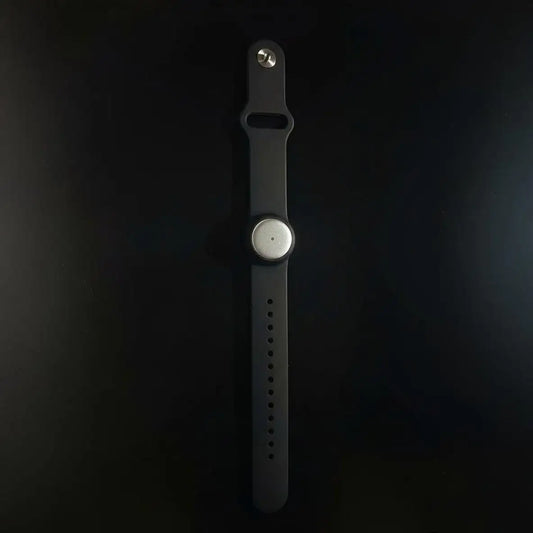
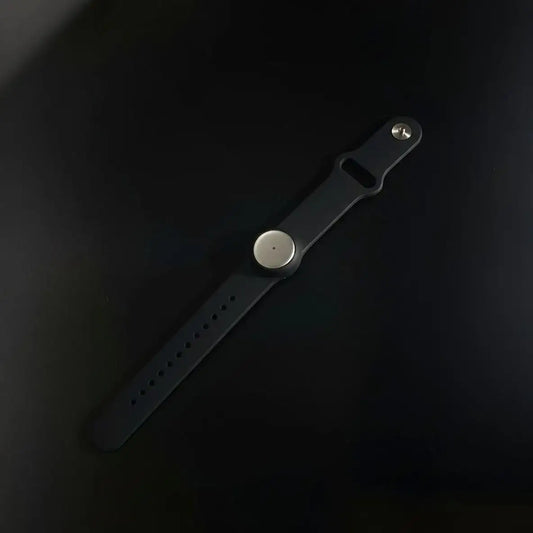
| Cross-device and wearable conversation capture (our Omi workflow) | Meetings plus in-person, mobile, all-day conversations, memory, tasks, and automations | Overkill if you only need a simple meeting transcript | Teams that want one system for work conversations across contexts |
| Built-in platform AI notes (Zoom, Teams, Meet) | Convenience if you already pay for the platform stack | Feature depth and cross-platform consistency vary | Organizations standardizing around one ecosystem |
Fireflies alternatives, our shortlist by real workflow
If you are seriously evaluating Fireflies alternatives, start with the outcome you want, not the vendor you know. Below is a practical shortlist by usage pattern, and yes, we are putting our own stack first because it solves the broadest version of the problem.
1) Omi, the first Fireflies alternative to consider when you need more than meetings
We built Omi for teams and individuals who need more than a meeting bot. We capture and summarize conversations across Mac, browser, iPhone, Android, and wearables, then turn them into transcripts, summaries, tasks, memories, and quick-share outputs you can actually use later.
That means we cover online meetings in apps like Meet and Zoom through desktop/browser workflows, but we also cover in-person conversations, hallway discussions, debriefs after meetings, and daily spoken context. If your team is searching Fireflies alternatives because the workflow feels too “meeting-only,” this is usually the missing piece.
We also support deeper extensibility. We offer an app ecosystem with thousands of tools, custom prompt templates, automations, a developer API, and MCP support so your assistants and software can work with your notes, tasks, and memories. This is one reason many teams choose us instead of stacking multiple disconnected tools.
- Works across devices: Mac, Windows via browser, iPhone, Android, and wearable-connected workflows.
- Covers any conversation type: online meetings, in-person meetings, calls, and spontaneous discussions.
- Structured outputs: summaries, tasks, memories, and shareable artifacts instead of raw transcripts only.
- Builder-ready: API + MCP + app ecosystem for custom integration and automation use cases.
- Privacy-first posture: encrypted data and published HIPAA/SOC 2 compliance materials.
If you want a deeper view of where this fits by team, browse our use cases hub and our AI meeting summary workflow article to see how the outputs are used after capture.
Fireflies alternatives for meeting-first teams, what to compare tool by tool
Not every team needs a cross-device stack. If you mostly need a meeting-first AI note taker, these Fireflies alternatives are worth comparing side by side with a real sample of calls.
A classic choice for transcript-first teams. Strong brand recognition, meeting assistant features, summaries, and broad platform support. Good when you want a familiar fireflies note taker alternative with a large installed base.
Great for free-first adoption and fast personal/team value. Often shortlisted as one of the first Fireflies alternatives for teams that want to test AI note taking without a heavy rollout.
Popular with teams comparing pricing and free plans. Good option when you want meeting recording, AI notes, and summaries with a strong remote-team positioning.
Strong all-in-one meeting assistant positioning, plus no-bot recording options via browser/desktop in its published feature set. A useful comparison if you are exploring both bot and non-bot modes.
Best when your evaluation is really about revenue workflows, CRM automation, and meeting intelligence. A serious fireflies ai notetaker alternative for sales-led teams.
Interesting when you want summaries beyond meetings, including messaging and email. Good fit for knowledge workers who want cross-surface context.
Strong in customer-facing teams, coaching, and call review workflows. Often chosen when clips and team learning matter as much as summaries.
A deeper meeting intelligence option for teams that want more structured outputs and enterprise-style controls.
If your comparison list is long, keep one rule, test the same meeting types in every tool. That is the only fair way to compare fireflies ai notetaker against Fireflies alternatives.
Fireflies alternatives for no-bot or low-friction meetings
Many people start searching Fireflies alternatives after a social or client-facing meeting where an AI bot joining felt awkward. If that is your issue, compare no-bot and low-visibility capture workflows, not just another meeting bot.
- Granola: botless AI notepad positioning for back-to-back meetings, strong for staying present in calls and organizing post-meeting memory.
- Jamie: privacy-first, no-bot note taker positioning, online or in-person usage, and a clean “without a bot” message that resonates with client-facing teams.
- MeetGeek browser/desktop no-bot modes: useful if you want to keep one tool while varying capture method by meeting type.
- Our Omi workflow: when the real need is not just “no bot,” but one system for meetings plus in-person and all-day capture across devices.
This is also where how to use Fireflies changes. Some teams keep Fireflies for internal calls and use another capture path for sensitive external conversations.
How to use Fireflies ai notetaker well, not just turn it on
If you search how to use Fireflies, you will find setup guides. What usually matters more is how to use Fireflies inside a repeatable process that your team trusts. This section is the practical version.
Step 1, start with one meeting class
Pick one meeting type first, sales discovery, internal standup, customer success review, recruiting screen, or project sync. A narrow pilot makes it easier to evaluate fireflies ai notetaker output quality and team adoption.
Step 2, choose the capture mode on purpose
Use manual invite, auto-join, dashboard toggle, or extension/browser path depending on meeting etiquette and control needs. This single decision changes the experience of a fireflies note taker more than most settings do.
Step 3, define summary structure by meeting type
Do not let every meeting produce the same generic output. Define sections like decisions, risks, action items, owner, due date, and open questions. This is the fastest upgrade to how to use Fireflies.
Step 4, route notes into execution tools
Connect chat, docs, CRM, or PM tools so the fireflies ai notetaker output becomes a workflow, not a file. This is where automation actually saves time.
Step 5, review weekly and tune meeting rules
Check false positives, missed meetings, and summary quality. Most mature teams treat how to use Fireflies as an operating process, not a one-time setup.
If you want a reusable operating model for this step, our AI meeting summary and customer success workflow patterns are useful even if you are still comparing tools.
How to use Fireflies when your team also has in-person and ad hoc conversations
This is the question many teams ask too late. A fireflies ai notetaker can work very well for scheduled calls, but if you also need notes from in-person meetings, field visits, quick huddles, and post-call debriefs, you need a second capture path or a broader system.
There are three common approaches:
- Split-stack approach: keep Fireflies for scheduled meetings and use a second tool for offline or mobile capture.
- Browser/desktop no-bot alternatives: useful when etiquette is the main problem but meeting-first structure is still enough.
- One-system approach: move to a cross-device workflow that covers meetings and conversations in one searchable memory and automation layer, which is exactly how we built Omi.
With us, you can record and summarize conversations on Mac, browser, iPhone, Android, and wearables, then turn them into tasks, memories, and structured follow-ups. That is why teams using us for fireflies alternatives often stop thinking in terms of “meeting notes only” and start thinking in terms of conversation systems.
If this matches your use case, our internal guides for professional workers, sales, operations, and human resources show how teams apply the same capture system across different roles.
Fireflies ai notetaker pricing and buying checklist, what to compare before you commit
Pricing pages matter, but they do not tell the whole story. Fireflies offers a free plan and paid tiers, and its pricing page clearly frames trade-offs around AI summaries, storage, analytics, and business features. The right question is whether the workflow savings match the price, not just whether the monthly seat cost looks low.
| What to compare | Why it matters for a fireflies note taker | What to test in your pilot |
|---|---|---|
| Capture model | Bot vs no-bot vs cross-device changes adoption and coverage | Do people actually use it in every meeting type you care about? |
| Summary quality by meeting type | A good demo summary can fail in technical or fast-paced calls | Run the same meeting types in each tool |
| Task and CRM routing | Notes only help if they reach execution systems | Measure how long it takes to produce usable follow-up |
| Governance and consent controls | Rollout risk often comes from policy gaps, not feature gaps | Test excluded meetings and access controls |
| Coverage beyond calls | Teams often need in-person and ad hoc conversation capture | Check whether you need a second tool or a broader platform |
If your shortlist includes us, look at our integrations hub and automation workflows with n8n, Zapier, and Make to see how we handle routing after capture.
What people say about fireflies note taker tools in community threads
Across Reddit and other communities, the same themes come up again and again when people evaluate a fireflies note taker or other AI meeting tools. The conversation is rarely about one feature. It is about fit.
- Meeting etiquette: people like the convenience, but some dislike visible bots in participant lists during external meetings.
- Workflow completeness: users want notes, but they really care about decisions, tasks, and search later.
- Coverage gaps: many people ask for tools that can handle both meetings and in-person conversations.
- Policy clarity: teams want a clear answer on consent, storage, and admin controls before they scale usage.
That is why our recommendation is consistent, when you compare Fireflies alternatives, compare real workflows, not marketing screenshots. Use the same meeting types, the same review process, and the same follow-up expectations.
For external references on usage and alternatives, two good starting points are Fireflies’ own updated guide on how to invite and use Fireflies in meetings and G2’s Fireflies.ai alternatives page.
Where our Omi workflow fits better than a fireflies ai notetaker
We are not trying to be only a meeting bot. We built Omi to capture and summarize what you hear and say across the day, meetings, in-person conversations, quick hallway chats, review calls, research interviews, and follow-up discussions.
That is why our workflow is different. We support online meetings through Mac desktop and browser workflows, and we also support wearable and mobile capture for in-person situations. Then we turn everything into searchable transcripts, summaries, tasks, memories, and automations in one place.
We also expose advanced capabilities for teams that want to build on top, including API, MCP, app store tools, and automation patterns. If your team needs a fireflies ai notetaker replacement that scales into an internal knowledge and action system, this is usually the better fit.
- Capture anything: online meetings, offline conversations, and daily spoken context across devices.
- Act on notes: tasks, memories, prompts, and automations instead of transcript storage only.
- Build your own flows: API + MCP + apps ecosystem for custom integrations and internal tools.
- Privacy-first foundation: published compliance posture and encrypted data handling.
If you want to see role-specific examples, our interview to hiring workflow and calendar integration guide are good places to start.
Fireflies ai notetaker FAQ and decision questions
What is Fireflies ai notetaker best at?
Fireflies ai notetaker is best at scheduled online meetings where you want automated capture, transcripts, summaries, and integration-driven follow-up. It is a strong fit for meeting-first teams that work mainly inside calendar-based calls.
How to use Fireflies without creating chaos in external meetings?
Start with one meeting type, choose manual invite or selective toggles, and define recording rules before enabling broad auto-join. The best how to use Fireflies setup is controlled, not “capture everything” on day one.
What are the most useful Fireflies alternatives for different needs?
For meeting-first workflows, compare Otter, Fathom, tl;dv, MeetGeek, Avoma, Read.ai, Grain, and Sembly. For botless workflows, compare Granola and Jamie. For meetings plus in-person and all-day capture, start with us, because that is the category we built for.
Is a fireflies note taker enough for teams with field work or in-person meetings?
Sometimes, but often not. A fireflies note taker can be excellent for scheduled calls, but teams with field work, mobile conversations, workshops, or ad hoc discussions usually need a second capture path or a broader system.
How should I evaluate Fireflies alternatives fairly?
Use the same meeting types, the same summary expectations, and the same follow-up workflow for every tool. Compare capture friction, summary usefulness, action-item quality, and how fast notes turn into real work.
Can built-in tools replace Fireflies ai notetaker?
Sometimes. Zoom AI Companion, Microsoft Teams Copilot, and Google Meet Gemini note-taking can be enough if your organization is deeply standardized on one platform. If you need cross-platform consistency or broader conversation capture, compare carefully.
What if I need more than meeting notes?
If you need a system that can record and summarize anything across devices, then you are no longer choosing only a meeting tool. You are choosing a conversation capture and action system, and that is where our Omi workflow usually makes the most sense.
Next step after reading this fireflies ai notetaker guide
If you are still deciding, run a short head-to-head test. Use the same 10 meetings, the same follow-up requirements, and the same team reviewers. Compare fireflies ai notetaker against 2 to 3 Fireflies alternatives, including at least one no-bot option and one cross-device option.
If your team works mostly in scheduled calls, Fireflies may be enough. If your team needs one workflow for meetings, in-person conversations, memory, and automation, start with us first and evaluate from there.
- Marketing use cases for meeting notes, content debriefs, and campaign decisions
- Content ideation to publish workflow for turning conversations into shipped content
- Task and project manager integrations for routing meeting outputs into execution
Quick takeaway
- Fireflies ai notetaker is excellent for meeting-first, calendar-driven workflows.
- How to use Fireflies well depends on capture rules, summary format, and routing, not just setup.
- Fireflies alternatives should be compared by capture model first, bot-first, botless, platform-native, or cross-device.
- If you need a fireflies note taker replacement for online meetings plus in-person conversations and all-day capture, evaluate our Omi workflow first.
- How to use Fireflies or any alternative is ultimately the same test, can your team turn notes into action faster and more consistently?

 www.omi.me