Is AI note taking legal? Sometimes, yes. Most of the time the legal line is not “AI,” it’s whether you are allowed to record people, and whether consent is required where you are.
Use one simple rule in both personal and work situations: announce you’re recording, ask for an explicit yes, and if anyone prefers not to be recorded, turn it off immediately.
If local law or policy forbids recording, do not record. If you cannot confirm the rule, default to not recording. This is about being helpful, not creating risk.

Is AI note taking legal, the short answer you can use in real life
Here’s the honest version. Is AI note taking legal depends on consent rules, expectation of privacy, and what you do with the recording and transcript afterward.
If you’re recording in a place where everyone must consent, and you do it without consent, you can create legal exposure fast. In other places, one party’s consent may be enough, but “legal” still does not mean “acceptable.”
Ethically, the baseline is clarity. Announce recording, get permission, and if it’s not allowed or people don’t want it, turn it off. You can still take notes the old-fashioned way.
Is AI note taking legal, what laws usually apply
Most confusion comes from mixing different buckets. Recording law, privacy law, workplace policy, and biometric law can all show up in the same meeting.
- Recording consent laws: one-party vs all-party consent, plus whether the conversation is “confidential” or has an expectation of privacy.
- Data protection rules: how you store, share, and retain the transcript, especially when it includes personal or sensitive information.
- Workplace and contract rules: company policy, client contract terms, school policies, and union rules can be stricter than the law.
- Biometric privacy: speaker identification and “voiceprints” can trigger additional requirements in some jurisdictions.
AI note takers change the stakes because they convert a moment into a searchable artifact. A transcript can be forwarded, indexed, or pulled up months later. That’s the benefit, and also the risk.
This article is educational, not legal advice. If you’re unsure, check your local law or a qualified attorney, and don’t record until you can do it cleanly.
Is AI note taking legal across remote teams and different locations
Cross-location meetings are where teams get burned. Someone is in a one-party consent place, someone else is in an all-party consent place, and people assume the loosest rule applies.
A safer way to operate is to follow the strictest applicable rule. That usually means: announce recording clearly, get explicit consent from everyone, and if you can’t get it, do not record.
This is also where meeting platform notifications help. Some platforms show visible recording indicators, but you still want a verbal announcement. People remember what you said, not what a UI flashed.
Is AI note taking legal at work, the policy reality
In workplaces, “is AI note taking legal” is only half the question. The other half is whether it’s allowed by policy, procurement, and your risk posture.
Most companies care about three things: transparency, retention, and access. They want to know who can record, how long recordings live, and who can search transcripts later.
- HR and recruiting: sensitive employee data, investigations, and performance discussions raise the bar. If your work lives here, start with our human resources use case and treat consent as non-negotiable.
- Healthcare-adjacent work: if any protected health information can show up, assume stricter rules. Our clinicians and healthcare use case is the right lens for handling transcripts responsibly.
- Legal teams: privileged conversations and confidentiality can make recording inappropriate even when it is technically legal. The legal use case is a good starting point for policy-first workflows.
If your org needs a repeatable approach, our recording consent governance workflow shows how teams standardize permission, documentation, and retention without turning meetings into bureaucracy.
Is AI note taking legal, the risks people underestimate
Most teams focus on “can we record,” then forget what happens next. The messy part is the afterlife of the transcript.
- Consent gaps: someone joins late, a client changes, a sensitive topic comes up. If consent is not clear anymore, you should stop recording.
- Biometric exposure: speaker identification can be treated as biometric processing in some places. If your workflow labels speakers, get cleaner consent and stronger governance.
- Discovery and escalation: transcripts can be searchable evidence. If your meeting includes HR, legal strategy, or sensitive health details, think twice before creating a durable record.
- Chilling effects: people speak differently when recorded. If trust drops, you lose the best part of the meeting.
- Accidental capture: the risk goes up with always-on devices if you don’t have a strict “announce and confirm” habit.
AI recording must be beneficial, not a menace. If recording isn’t allowed, or people prefer not to be recorded, turn it off. Always.
Security and compliance for legal AI note taking
Security is not a vibe, it’s controls. If you’re recording conversations, you’re handling sensitive data. Even “normal” meetings can contain personal information, confidential plans, or customer details.
Most serious AI note takers advertise encryption, and many are SOC 2 audited. Some also support HIPAA workflows for healthcare teams. Still, you want to verify what applies to your plan and how deletion and retention actually work.
How we handle security in Omi
We built Omi to be privacy-first. Our security posture includes encryption in transit (TLS) and encryption at rest (AES-256), with enterprise-grade compliance (SOC 2 and HIPAA).
We also designed Omi with control in mind. You can delete items, export your data, and even run everything locally to skip cloud when you need that mode.
If you want a practical way to store outputs responsibly, our cloud storage integration shows how teams build a searchable vault in tools they already use: Google Drive, Dropbox, or OneDrive.
Tools that change the answer to is AI note taking legal
Not all AI note taking is the same. The capture method changes transparency, social comfort, and sometimes your legal risk.
| Capture approach | Why teams use it | What can go wrong |
|---|---|---|
| Wearable capture | In-person conversations, field work, spontaneous meetings | Accidental recording if you don’t announce and confirm consent |
| Meeting bot joins the call | Obvious presence, easy transcription and summary | Participants may feel uneasy, or policies may block bots |
| Desktop or web capture | Works across Zoom, Meet, Teams without adding another attendee | It can feel “invisible,” so disclosure must be explicit |
| Platform-native recording | Built-in indicators and admin controls | Retention and access can be wider than you think |
How we designed Omi for real-world capture
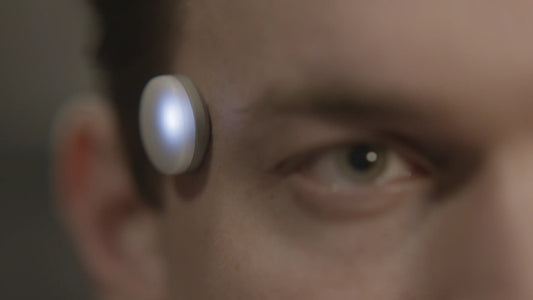
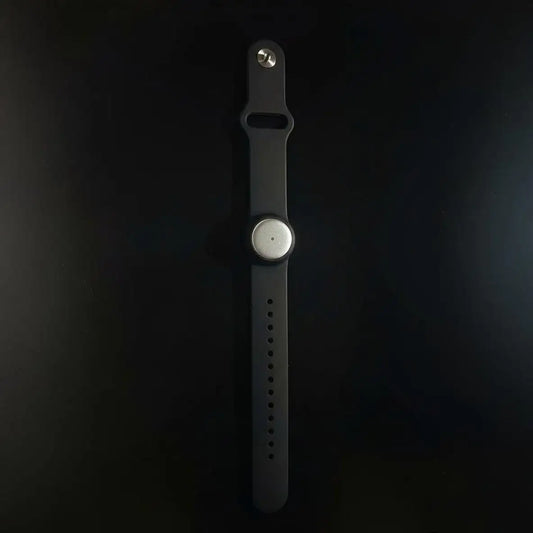
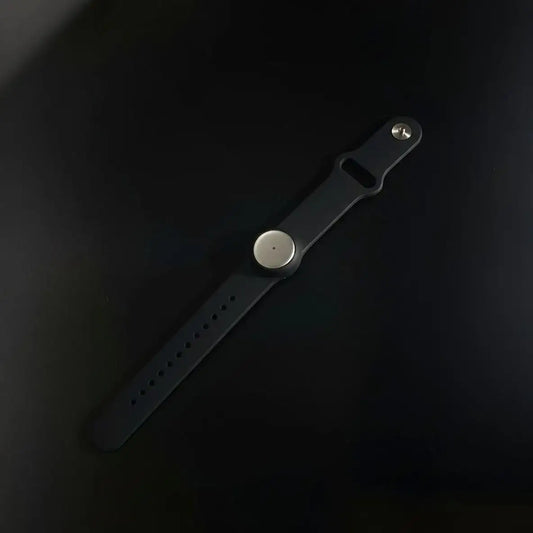
Omi can capture all day long in the real world, conversations, what you hear and say, in-person meetings. You can wear it on your neck or wrist, or keep it under your shirt for hands-free moments.
For online meetings, Omi can record and summarize meetings in any app, including Meet and Zoom, using our Mac desktop app or the web app. Everything syncs across devices so summaries, tasks, and memories stay in one timeline.
To go beyond notes, we also support automations and integrations. Start here: integrations, Zapier, Make, n8n automations, and our MCP workflows for building deeper tooling on top of your conversations.
How to make is AI note taking legal, step by step
If you want a workflow that holds up in real life, keep it boring and consistent. The goal is clarity, consent, and control.
Step 1: check local law and policy before you record
Check your local law about recording others. If you are in a state or country where recording others is forbidden without consent, do not record.
If your workplace, client, or venue forbids recording, do not record. If you cannot confirm the rule, default to not recording.
Step 2: announce recording in personal and work situations
Say it clearly, every time. Ask for explicit permission, then wait for a yes.
If anyone prefers not to be recorded, stop and turn the recorder off immediately. No persuasion. Just off.
Step 3: minimize retention, secure access, and delete when done
Keep only what you need. Share only with the right people. Treat transcripts like sensitive documents.
If you need a repeatable output format, our AI meeting summary workflow shows how teams turn recordings into consistent notes, decisions, and follow-ups without creating a giant ungoverned archive.
A consent script you can copy
“Quick heads-up: I’d like to record this with an AI note taker so I can capture accurate notes and action items.
Is everyone comfortable with that?
If not, no problem at all, I’ll turn it off and take notes manually.”
Is AI note taking legal, a simple decision checklist
This is the fastest way to decide, without overthinking it.
| Question | If yes | If no |
|---|---|---|
| Do you know the consent rule for everyone’s location? | Proceed to consent and disclosure | Do not record |
| Can you announce recording and get explicit permission? | Record with a clear purpose | Do not record |
| Is recording allowed by policy, contract, and the room’s vibe? | Record and secure the output | Do not record |
| Can you control retention, access, and deletion? | Store minimally, delete when done | Do not record |
If you want a deeper governance approach for teams, start with recording consent governance and expand only when you have consistent behavior.
FAQ on is AI note taking legal
Is AI note taking legal if I’m part of the conversation?
Sometimes. In many places, one party’s consent can be enough, but other places require everyone to consent to recording a confidential conversation. Always announce recording and get explicit permission. If you cannot confirm the rule, do not record.
Is AI note taking legal at work?
It can be, but policy and contract rules often matter more than people expect. Some orgs allow recording only for certain meeting types, with retention limits and restricted access. If your policy forbids recording, do not record, even if you think local law allows it.
Is AI note taking legal if the meeting tool shows a recording banner?
A banner helps, but it does not replace clear disclosure. People miss UI prompts all the time, especially late joiners. The safest habit is verbal: announce you’re recording, ask for consent, and stop if anyone prefers not to be recorded.
Which tools can do AI notes, and how do they usually work?
There are several categories: meeting assistants (like Otter, Fireflies, Fathom, tl;dv, Grain, Avoma, Read AI), platform-native transcription (Zoom, Meet, Teams), and hardware-first recorders (like Plaud and other wearables). The legal and ethical basics do not change. Consent and transparency still come first.
What should I read next about AI note taking legality?
Two solid legal perspectives are worth skimming: AI transcription and note-taking technologies, what employers should consider and the legality of AI-powered recording and transcription.
Quick takeaway on is AI note taking legal
- Announce recording every time, in personal and work situations.
- Get explicit consent, and stop immediately if anyone says no.
- If recording is forbidden by law or policy, do not record.
- Secure transcripts like sensitive data, minimize retention, delete when done.
- Use AI note taking to help people, not to surveil them.

 www.omi.me