Quick summary
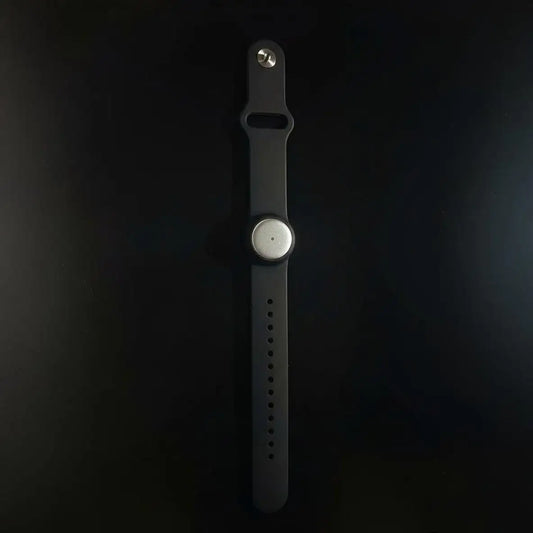
Omi records what you hear and say all day and turns it into structured output: a short summary, decisions, action items, and a searchable memory you can pull up later in seconds. This guide shows how to feed that output into Gmail or Outlook as drafts (my default) or sent emails, so follow-ups stop depending on willpower.
Here’s the mindset that keeps this clean: email is the distribution layer. Omi is the memory layer. If you mix those up, you end up emailing transcripts and everyone stops reading.
- Best default: draft-first, especially for external recipients.
- Two modes: recap emails (commitments) and voice actions (send, check, reply, clean up).
- Safe by design: sensitive conversations route to private drafts with minimal content.
- Integration paths: community apps (like Zapier) or a custom Omi integration app (webhook) that talks to Gmail API or Microsoft Graph.
- Updated: February 24, 2026. Tested on: [fill: your Omi platform + Gmail/Outlook + Zapier/Make/n8n or custom]
Why follow-ups fail (and why email is still the battlefield)
Follow-ups do not fail because people do not care. They fail because life gets loud, and "I will write that recap later" is the kind of lie we tell ourselves with a straight face.
- The blank page problem: writing from scratch feels heavier than it should.
- Ownership fog: "we should" does not assign a person, so nothing moves.
- Long emails get ignored: if it reads like notes, it gets treated like notes.
- Memory drift: after a few days, the agreement becomes a debate.
- Context fragmentation: the truth lives across Slack, docs, and people’s heads.
My opinion: email is still the best place to lock commitments, but only if you keep it short and you keep a reliable source of truth behind it. That source is Omi.
Best for
This workflow is for roles that live on "talk, decide, follow up." It also helps when you need a paper trail you can point back to later, without digging.
- Sales: customer recap drafts that go out while the call is fresh, plus internal deal risk recaps.
- Customer success and support: post-call alignment, escalation updates, handoffs that keep nuance.
- Project managers: decision logs after meetings, retros with owners and due dates, weekly OKR summaries.
- Executives: short alignment notes and accountability threads without turning into a meeting factory.
- Operations and finance: vendor commitments, approvals, month-end close blockers as searchable threads.
- HR and legal: restricted distribution and governance-first routing for sensitive content.
If you can read the recap in under 20 seconds and know what happens next, you are doing it right.
What you can do with Omi + Gmail/Outlook
There are two distinct wins here. Recap emails make commitments durable. Voice actions make email feel less like a chore.
- Recap drafts: recap, decisions, next steps, one CTA, link back to the Omi memory.
- Execution recaps: owner-first action items, deadlines, blockers, source link.
- Decision logs: decisions with owners, written so you can understand them weeks later.
- Voice email actions: send, reply, check inbox, and clean up emails using simple spoken commands.
Where it lands: Gmail Drafts/Sent/Labels and Outlook Drafts/Sent Items/Folders/Categories (plus shared mailboxes when you use Microsoft 365).
Voice-first email actions (yes, the “Omi, send an email to John” stuff)
This is the part people actually get excited about. You are walking out of a meeting and you just say it. No laptop. No "I will do it later." It is also the part you should set up with guardrails, because email is a sharp tool.
Depending on your device and setup, the wake phrase may be "Hey Omi" or a dedicated "Hey Email" style phrase. Either way, the goal is the same: short commands that trigger predictable actions.
-
Send and reply
"Omi, send an email to John" works best when you include subject + one sentence. You can also reply in-thread when the last relevant email is already in context.
-
Read and check inbox
"Omi, any new mail?" should return a short digest: who, subject, and whether it needs action. If you want details, you ask a follow-up.
-
Clean up: archive, trash, delete
"Omi, delete the email from John" is a dangerous default. A safer default is archive or move to trash, with a confirmation step before permanent deletion.
-
Proactive notifications
On-demand checks are simple. If you want Omi to notify you, set a periodic inbox check that only pings you for specific senders or keywords.
If you implement only one guardrail: anything destructive requires confirmation. Always.
What counts as a follow-up in this system
It is not just meetings. It is any conversation that creates commitments or risk.
- Customer calls: recap plus next steps, one CTA, no transcript.
- Internal meetings: decisions plus owners plus due dates.
- Procurement and vendor calls: scope, pricing, approvals, risks, responsibilities.
- Incidents: impact, decisions, action items, owner list, next checkpoint.
- Hiring and HR: restricted summary artifacts with governance baked in.
The trigger that makes this stick
The moment is right after the conversation, while the nuance is still in your head. Omi turns that into a structured memory (summary, action items, transcript, metadata). Your automation fires off that structure, not off your energy levels.
- Memory trigger: run when Omi finishes processing and creates a memory. Stable default.
- Real-time transcript: react while the conversation is happening. Useful for time-sensitive ops.
- Audio bytes: raw audio streams for deep custom setups. Most teams do not need this.
What you gain with Omi (the stuff you notice after week one)
Saving time is nice. The bigger change is reliability. Follow-ups stop depending on mood and energy.
- Draft-first momentum: editing is easy. Starting from scratch is where people stall.
- Clear decisions: the agreement is written down while it is fresh, not reconstructed later.
- Accountability: owners and dates are part of the format, not an afterthought.
- Short emails: your inbox gets the action layer, Omi keeps the full context for retrieval.
- Voice makes it stick: when you can send or check mail hands-free, the habit survives travel days and chaos.
- Safer defaults: sensitive routing reduces the chance of the wrong recap landing in the wrong inbox.
Treat email like a surface area problem. The fewer details you leak into inboxes, the safer and cleaner your system stays.
What a great follow-up email should capture
Keep it structured. Keep it readable. Assume the reader is busy and half-distracted.
| Section | What to include | How to keep it readable |
|---|---|---|
| Context | What the conversation was about | One sentence |
| Recap | Key outcomes and takeaways | 3 to 6 bullets |
| Decisions | Approvals, commitments, changes | One line each |
| Next steps | Tasks, owners, due dates | Owner plus date every time |
| Open questions | What still needs confirmation | Short prompts |
| One CTA | The single thing you need from the recipient | One ask |
| Source | Link to the Omi conversation | Details live in Omi |
If you want higher reply rates, keep the email to one screen. If it scrolls, you are doing too much.
Best way to integrate (and what I would pick first)
Start simple. If you are building a habit, the habit comes before the architecture.
| Path | How it works | Effort | Control | Best for | Trade-offs |
|---|---|---|---|---|---|
| Community app: Zapier | Omi trigger, Zapier creates Gmail/Outlook drafts or sends | Low | Medium | Most teams starting now | Dedup and governance still needed |
| Automation engines: Make/n8n | Omi webhook routes to Gmail API or Microsoft Graph | Medium | High | Ops-heavy teams, many routes | Monitoring and retries are on you |
| Custom integration app (webhook) | Omi triggers hit your server, your server creates drafts and logs ids | High | Maximum | Enterprise, compliance, shared mailboxes | OAuth, secrets, audit trail |
| MCP layer | Agent chooses tone, recipients, template and drafts emails via tools | Medium-High | High | Power users | Needs guardrails and draft-first defaults |
| Export/manual | Copy Omi recap into email | Low | Low | Occasional use | Easy to skip, does not scale |
My default: drafts + one label + one template
If you are overwhelmed, do this: draft-only, route everything into one label or folder, and use one consistent template. After a week, you will know what to automate next because you will feel the pain points.
Where voice actions fit
Voice actions are best for small, frequent tasks: send a short email, reply with one sentence, check new mail, archive a message. Keep it predictable. Avoid "freeform agent" behavior unless you trust your guardrails.
What you need before you start (so you do not create inbox chaos)
The plumbing is easy. The messy part is design: where these emails go, how you name them, and how you keep sensitive stuff safe.
Requirements
- Omi active on your device.
- Gmail and/or Outlook account with permission to create drafts (and send later if needed).
- One integration stack: Zapier, Make/n8n, or your own webhook server.
Decisions that prevent a mess later
- Default destination: personal inbox, team distro, or shared mailbox.
- Subject standard: one prefix and consistent client/project tokens.
- Mandatory label/category: one that always applies.
- Draft-first vs auto-send: external recipients start draft-first.
- Destructive actions policy: delete requires confirmation; archive is the safe default.
Workflow steps (setup + execution)
Two paths, one mental model: Omi creates the memory, you format it, you draft it, you send it. Voice actions layer on top.
Step 1: capture the conversation
Capture should be low friction so it happens every time. If it is annoying, you will stop doing it.
- Customer calls, internal meetings, vendor calls, and handoffs all count.
Step 2: let Omi create structured memory
Omi processes the conversation into a summary, decisions, action items, and a searchable memory. This is the clean trigger point for automation.
- Memory creation triggers are stable and predictable.
Step 3: turn memory into a draft (default)
Create an email draft with a consistent structure. The inbox gets the action layer. Omi keeps the detail.
- Recap bullets, decisions, next steps (owner + date), one CTA, and a source link.
Step 4: add routing rules (this is where teams win)
Routing rules stop the system from becoming spam.
- External domain: draft-only + approval.
- Sensitive: private draft + minimal content.
- Internal execution: optional auto-send once stable.
Step 5: layer in voice actions for the small stuff
Now you make email feel lighter. Use voice for repeatable actions, not for novel writing.
- Send: "Omi, send an email to John..."
- Check: "Omi, any new mail?"
- Cleanup: "Omi, archive the email from John" (and delete only with confirmation)
Step 6: test, then lock in dedup
Test with one short conversation and one real meeting. Then add idempotency: one conversation id should never create two follow-ups.
- Validate destination, label/category, readability, and no duplicates.
Deliverables
When this works, the output is boring. Consistent, readable, searchable. That is the whole point.
| Deliverable | Includes | Why it matters |
|---|---|---|
| Follow-up draft (external) | Recap, decisions, next steps, one CTA, source link | Replies go up, confusion goes down |
| Execution recap (internal) | Owner-first tasks, deadlines, blockers | Turns alignment into action |
| Decision log email | Decisions with owners, what would change them | Creates durable institutional memory |
| Voice action log (optional) | What was sent, what was read, what was archived/deleted | Prevents "did it really happen?" moments |
| Audit record (optional) | Conversation id, draft id, sent message id, recipients | Makes retries safe and compliance easier |
Templates (copy, adapt, ship)
These are short on purpose. Your goal is a reply, not a novel. Omi holds the full context.
Template 1: customer recap draft
Subject: [Omi] {Client/Project} Recap + next steps

Hi {Name},

Thanks again for today. Here’s a quick recap and what we agreed to next:

Recap
- {bullet 1}
- {bullet 2}
- {bullet 3}

Decisions
- {decision 1}
- {decision 2}

Next steps
- {Owner}: {Action} (due {Date})
- {Owner}: {Action} (due {Date})

One thing I need from you
- {Single CTA}

Source (full context)
- {Omi conversation link}

Best,
{Name}
Template 2: internal execution email
Subject: [Omi] Action items: {Topic}

Owners + deadlines
- {Owner} (due {Date}): {Action}
- {Owner} (due {Date}): {Action}

Blockers
- {Blocker} (owner: {Name})

Decisions (if any)
- {Decision}

Source
- {Omi conversation link}
Template 3: decision log
Subject: [Omi] Decision log: {Project} ({Date})

Decisions
- {Decision} (owner: {Name})
- {Decision} (owner: {Name})

What would change this
- {Condition}

Next steps
- {Owner}: {Action} (due {Date})

Source
- {Omi conversation link}
Template 4: voice command patterns (what you actually say)
Send
- "Omi, send an email to John. Subject: Q2 plan. Message: Here are the next steps we agreed on."
- "Omi, reply to John's last email: Yes, Tuesday at 2 works for me."

Read / check
- "Omi, any new mail?"
- "Omi, any new emails from John?"
- "Omi, find emails about the contract renewal."

Cleanup (safe default)
- "Omi, archive the email from John about the invoice."
- "Omi, move the email from John to trash."

Cleanup (destructive, requires confirmation)
- "Omi, delete the email from John."
  (Omi: "I found 3 messages from John. Delete permanently or move to trash?")
Examples (real scenarios)
Sales call to draft in Gmail
Omi creates a recap and next steps. Your integration generates a Gmail draft addressed to the customer. You send it with one CTA while the call is still fresh.
Links: sales, ai sales summaries
Incident call to internal Outlook execution email
Omi outputs impact and action items. The integration sends a short execution email to the incident distro or shared mailbox with owners and deadlines.
Links: it, incident response to postmortem
Walking out of a meeting, you just send it
You are leaving a vendor call and you do not want to lose the thread. You say: "Omi, send an email to John. Subject: Vendor next steps. Message: We agreed on timeline A and pricing B. I will send the draft proposal by Friday."
It is not fancy. It is just reliable, and that is the whole trick.
Inbox check with a tight filter
You do not want "read my inbox" chaos. You want: "Omi, any new emails from John?" or "Omi, any new mail about the renewal?" Omi reads only what matches and asks if you want details.
This is how notifications stay useful instead of annoying.
Same pattern every time: structured memory, short email, explicit owners, and an easy path back to the full context in Omi.
Common mistakes (and the fix)
- Auto-sending too early: start draft-only, especially for external recipients.
- Sending transcripts: people stop reading. Keep it short and link to Omi.
- No owners or dates: your follow-up becomes "nice info" instead of execution.
- Voice actions with no guardrails: always confirm before destructive actions like delete.
- No dedup: duplicates kill trust immediately.
Frequently asked questions (PAA style)
Can I really say "Omi, send an email to John"?
Yes, if you connect an email assistant or integration that can act on Gmail/Outlook. The key is keeping the command simple: recipient, subject, one sentence. If you want a longer message, start with a draft and edit later.
Can I ask "Omi, any new mail?" and get notified?
You can do on-demand checks, and you can also set periodic checks that notify you only for specific senders or keywords. If everything triggers a notification, you will mute it. Keep the filter tight.
What about "Omi, please delete the email from John"?
You can support delete, but it should be a two-step flow. Default to archive or move to trash. Then ask for confirmation before permanent deletion. Email is too easy to regret.
Does this work for teams and shared mailboxes?
Yes. Shared mailboxes work well in Microsoft 365 setups. Define ownership rules (who sends, who follows up), and keep external emails draft-only with approvals.
How do I stop it and revoke access?
Disable the automation or the Omi app, then revoke OAuth access in Google/Microsoft. If you run a custom server, rotate secrets.
Next steps (internal linking)
- Use cases hub: /use-cases/
- Workflows hub: /workflows/
- Good pairings with email follow-ups: ai meeting summary, ai sales summaries, support conversation to ticket
- Governance baseline: recording consent governance
- Back to integrations: /integrations/
If you are unsure where to start, send drafts to yourself only for a week. Tune template and routing, then expand recipients.
Terms and entities (mini glossary)
- Memory trigger: automation runs when Omi creates a memory after a conversation.
- Draft-first: creates drafts for review before sending.
- Idempotency: safe retries without duplicate drafts or sends.
- Label (Gmail) / category (Outlook): organization tags that make search easy.
- Archive vs trash vs delete: archive hides it from inbox, trash is reversible, delete can be permanent.
- Gmail API / Microsoft Graph: the APIs used by automations and custom apps to read, send, and manage email.
- Voice action guardrails: confirmations and filters that prevent accidental sends or deletes.
- One CTA: one clear ask in your follow-up email, so the recipient actually replies.
Quick takeaway
- Draft-first wins. Fast and safe.
- Short beats long. Recap, decisions, next steps, one CTA, source link.
- Voice makes it stick. "Send", "check", and "reply" are small actions that kill procrastination.
- Delete needs confirmation. Archive or trash by default.
- Dedup is mandatory. One conversation should not produce two follow-ups.

 www.omi.me