TL;DR
If you are looking for Plaud ai alternatives, the most useful comparison is not a list of meeting bots. It is a list of real hardware alternatives, wearable, pocket, or desk-based recorders that can actually replace a Plaud device in daily life.
The best Plaud alternatives in this category are not interchangeable. Omi, Fieldy, Bee, Pocket, soundcore Work, HiDock P1 / P1 mini / H1E, and Limitless Pendant each optimize for a different capture habit, wearable memory, mobile calls, desk meetings, or full workflow automation.
If you want a device plus a complete system for summaries, tasks, memories, sharing, custom templates, automations, API, MCP, and integrations, start with us. If you want a simpler single-purpose recorder, one of the other Plaud note alternatives may be the better fit.

What counts as real Plaud ai alternatives?
Not every AI note tool is a real Plaud replacement. Plaud is a hardware-first category player with multiple device options and a software layer around them. So real Plaud ai alternatives should include a physical recorder, not only a meeting assistant that joins Zoom calls.
That is why this guide focuses on devices like Fieldy, Bee, Pocket, soundcore Work, HiDock, Limitless Pendant, and Omi. Some are wearables. Some are portable recorders. Some are desk-first devices. All of them matter if your search is about replacing a real recorder, not just adding a bot.
- Wearable alternatives: body-worn capture for in-person conversations and daily moments.
- Pocket alternatives: phone-friendly portable recorders for calls and meetings on the go.
- Desk alternatives: fixed hybrid-work hardware for calls, summaries, and workstation capture.
- System alternatives: device plus software plus workflow automation, not only recording.
Plaud ai alternatives comparison framework, how to compare devices intelligently
Most comparison posts fail because they compare spec sheets without comparing behavior. In real use, Plaud alternatives win or lose on habit fit. The device that sounds best on paper can still fail if you hate wearing it, forget to carry it, or cannot turn notes into actions quickly.
| What to compare | Why it matters | What to test in real life |
|---|---|---|
| Capture habit | Wearable, pocket, and desk devices create very different routines | Do you actually start recording in your busiest moments? |
| Conversation coverage | Some tools are great for calls but weak for in-person conversations, or vice versa | Test one in-person meeting, one call, one online meeting |
| Output usefulness | Transcript quality alone does not equal workflow value | Are summaries, tasks, and recall actually usable? |
| Software depth | App, web, desktop, search, templates, sharing, and exports decide long-term value | Can you find, reuse, and route notes fast? |
| Ecosystem and automation | This is where many Plaud note alternatives diverge sharply | Can it connect to your docs, tasks, CRM, and AI assistants? |
| Privacy and control | Always-on style capture raises governance questions | Check storage, deletion, export, and consent workflows |
This framework makes the Plaud ai alternatives decision much clearer than just comparing price or microphone claims.
Plaud ai alternatives starts with understanding what Plaud does well
Plaud remains a strong benchmark in the category. Its current lineup spans Plaud Note (hybrid calls and meetings), Plaud NotePin (wearable in-person capture), and Plaud NotePin S (updated wearable model with included accessories), plus the Plaud Intelligence software layer and Plaud Desktop for online meetings without bots.
That breadth is important. It means strong Plaud alternatives do not need to copy one device exactly. They need to beat Plaud in the part of the workflow you care about most, wearable comfort, mobile call capture, desktop meetings, privacy posture, or post-meeting automation.
- Plaud wearable path: NotePin and NotePin S focus on hands-free in-person capture.
- Plaud hybrid path: Plaud Note is positioned for calls and meetings anywhere.
- Plaud software expansion: Plaud Desktop adds bot-free online meeting capture.
- Plaud intelligence layer: templates, summaries, search, and workflow messaging make it more than “just a recorder.”
This is why a serious Plaud ai alternatives article must compare device plus software experience, not hardware alone.
Plaud ai alternatives, our take first (Omi as a true system-level alternative)
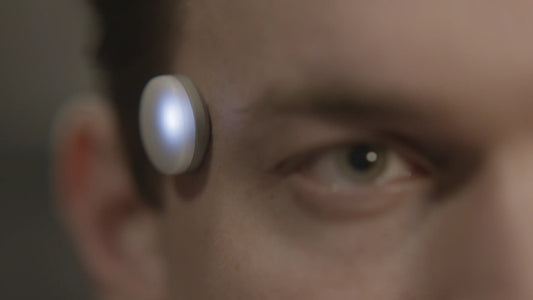
If your real problem is bigger than “I need another recorder,” we are usually the best first option in the Plaud ai alternatives category. We combine wearable capture with a cross-device platform so you can record and summarize conversations and meetings, then turn them into tasks, reminders, and memories you can actually use.
We are not limited to one capture context. You can capture in-person conversations all day from wearable workflows, and you can also capture online meetings using our Mac app or the browser. Then you can search, ask, share, export, and automate what happens next across your workflow.
That is the practical difference between a device-only experience and a workflow system. For many teams, the recorder is only the first 10 percent of the value. The remaining 90 percent is what happens after capture.
- Cross-context capture: in-person conversations, online meetings, quick spoken notes, interviews, classes, and day-to-day interactions.
- Cross-device access: phone, desktop, browser, and wearable-connected workflows.
- Structured outputs: searchable transcripts, summaries, action items, reminders, and memories.
- Custom outputs: reusable summary templates and prompt workflows for recurring meeting types.
- Automation-ready stack: integrations, app ecosystem, API, MCP, and workflow automation support.
- Privacy-first approach: encrypted data and published SOC 2 / HIPAA compliance posture.
We also support deeper technical workflows that many Plaud note alternatives do not target. Our Developer API provides programmatic access to conversations, memories, action items, and keys, and our MCP server lets assistants like Claude interact with your Omi data naturally.
If you want to see how this works in practice, start with our AI meeting summary workflow, then our integrations hub, automation (n8n / Zapier / Make), task/project manager integrations, and MCP for Claude and Cursor.
Plaud ai alternatives with true wearable recorders
If your top priority is a wearable hardware recorder, this is the most direct section of the Plaud ai alternatives landscape. These options compete on comfort, capture style, and what kind of “memory” experience they are built for.
Fieldy, wearable-first Plaud alternative for conversation memory and reminders
Fieldy is one of the most direct Plaud alternatives in the wearable category. Its positioning is simple and strong, a wearable AI note taker that remembers conversations and turns them into reminders, summaries, and more.
Fieldy also publishes a companion app ecosystem and a transparent membership structure. That matters because subscription design affects long-term cost as much as the hardware price. Fieldy’s public membership page highlights free monthly transcription minutes, paid tiers, unlimited options, calendar integrations, exports, and template features.
- Best for: users who want a simple wearable habit focused on remembering daily conversations.
- Strength: strong wearable-first identity, plus memory/task-oriented outputs.
- Trade-off: if you need a broader cross-device workflow and advanced automation stack, a system-level alternative may fit better.
- Why it is a real Plaud alternative: same core category, wearable AI recording + transcript/summaries in a companion app.
Bee, wearable Plaud alternative for ambient personal AI workflows
Bee is a very real name in the wearable AI category and a valid entry in any serious list of Plaud ai alternatives. Bee’s positioning leans more into ambient personal AI than “meeting recorder first,” with summaries, insights, reminders, and a deeper memory layer tied to your life context.
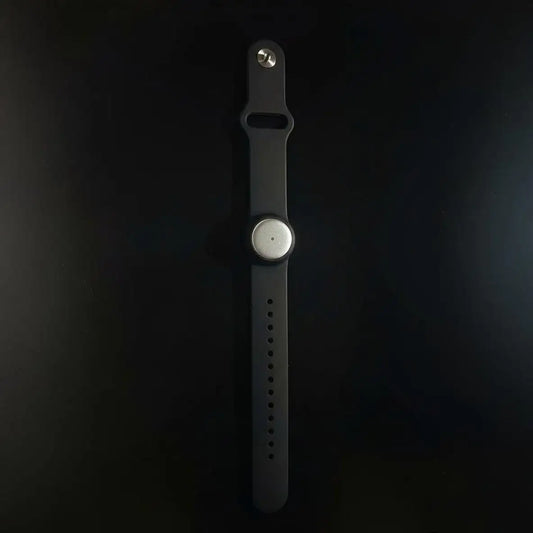
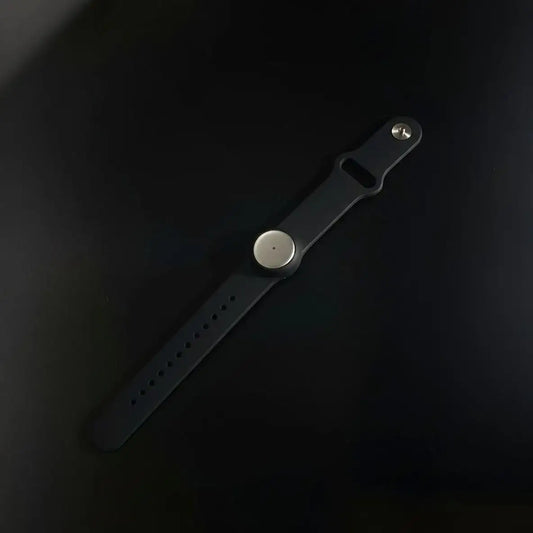
The Bee Pioneer product page confirms a wristband-style device with dual microphones and a button, and Bee’s messaging emphasizes a background assistant that learns patterns over time. This can be a better fit if your goal is life memory and personal insights, not only meeting recaps.
There is also important market context here. Bee joined Amazon, and both Bee/Amazon and external coverage have emphasized privacy and user control while the product continues evolving. That makes Bee a dynamic option in the Plaud alternatives category, but one that may change faster than more static recorders.
- Best for: personal ambient AI and memory workflows.
- Strength: wearable experience plus broader personal insight positioning.
- Trade-off: less “team meeting ops” oriented than system-first or enterprise workflow tools.
- Important note: privacy, always-on behavior, and personal data scope should be reviewed carefully before buying.
Anker soundcore Work, compact Plaud alternative if size matters most
soundcore Work is one of the most relevant Plaud note alternatives when your main requirement is a tiny wearable recorder from a large consumer electronics brand. soundcore’s product listings and coverage position it as a coin-sized AI voice recorder designed for capture, transcription, and sharing.
In practical terms, this makes soundcore Work attractive for people who want something very compact and wearable, and who prefer a mainstream consumer hardware experience. It is especially compelling for quick recordings and light-to-medium meeting note workflows.
- Best for: ultra-compact wearable recording and quick meeting capture.
- Strength: very small wearable form factor and strong brand familiarity.
- Trade-off: workflow depth after capture may matter more than size for heavy professional use.
- Why it belongs here: it is a true physical recorder, not a software-only note taker.
Plaud alternatives with portable or pocket recorder hardware
Some users want a real hardware recorder but do not want a wearable on their body all day. This is where portable and pocket-style Plaud alternatives become more attractive than pendant workflows.
Pocket, portable Plaud alternative with strong phone-friendly workflow design
Pocket is one of the most interesting Plaud ai alternatives for users who like hardware but want a more phone-friendly form factor. Pocket’s product pages highlight a compact device, MagSafe compatibility, onboard storage, summaries, action items, mind maps, and both mobile and web access.
Pocket is also unusually explicit about product details on its page, including feature tiers, core vs Pro plan differences, languages, battery, storage, and a local-only storage choice during onboarding. That makes Pocket easier to evaluate than many early hardware startups.
- Portable hardware: easier than a wearable for people who prefer pocket/phone workflows.
- Phone call and conversation fit: Pocket emphasizes real-world notes and call capture use cases.
- Clear feature positioning: summaries, action items, mind maps, search, and web access.
- MagSafe compatibility: useful for iPhone-heavy workflows, while still supporting non-MagSafe mounting options.
- Interesting pricing angle: Pocket clearly distinguishes core features vs Pro-level intelligence features.
For many people comparing Plaud ai alternatives, Pocket is less a “Plaud clone” and more a different habit design that may fit better.
HiDock P1 and P1 mini, Plaud alternatives for calls and Bluetooth earphone workflows
HiDock P1 and P1 mini are real hardware Plaud alternatives, but they optimize for a different use pattern than wearables. HiDock P1 is designed around Bluetooth earphones and call capture across desktop, laptop, and smartphone workflows. P1 mini focuses on a phone-first, portable call and meeting note-taking use case.
If your day is full of calls, voice notes, and earphone usage, HiDock can be a smarter choice than a pendant. This is a great example of why Plaud ai alternatives should be compared by workflow shape, not by category label alone.
- Best for: call-heavy workflows and users already living in Bluetooth earphones.
- Strength: BlueCatch-based earphone switching/capture concept and portable call note-taking design.
- P1 mini angle: explicitly positioned as a phone call and meeting note taker with a phone-first flow.
- Trade-off: less wearable and ambient than Plaud NotePin, Fieldy, Bee, or our wearable workflows.
Plaud ai alternatives for desk-first users (HiDock H1E and hybrid workstation setups)
Some buyers search Plaud ai alternatives but their real need is not wearable capture. They want a workstation device that improves calls and gives them summaries at the desk. In that case, a desk-based hardware option can outperform a wearable just by fitting the routine better.
HiDock H1E, desk-first Plaud alternative for hybrid work
HiDock H1E is a desk dock with AI recording and meeting summary features, plus a multi-port workstation design. It is not a wearable, and that is exactly its advantage for people who spend most of the day at a desk with calls, headphones, and external peripherals.
H1E becomes a valid Plaud note alternative when your workflow is “desk calls and hybrid meetings” more than “walk around and capture life.” Different device, different habit, same broader note-taking problem.
- Best for: hybrid desk setups and call-heavy workstation users.
- Strength: combines meeting capture and desk utility in one hardware product.
- Trade-off: not ideal for spontaneous in-person capture away from the desk.
- Why it belongs here: it is a real hardware replacement path for part of the same buyer intent.
Limitless pendant as a Plaud ai alternative, still important but with a major availability caveat
Limitless Pendant is still one of the most important reference points in the wearable memory category, and historically one of the strongest conceptual Plaud alternatives. If you are researching the category deeply, you should know how it shaped user expectations around pendant-based memory capture.
But there is a major buying caveat now. Limitless’ official site states that new Pendant sales stopped on December 5, 2025, and Reuters also reported that Meta and Limitless would continue supporting existing users while stopping sales to new customers after the acquisition.
So yes, Limitless is a real Plaud ai alternative for understanding the category and comparing product philosophy, but for most new buyers it is currently more of a reference benchmark than a purchasable option.
Plaud ai alternatives and the hidden decision, recorder vs workflow system
This is the decision most buyers miss. Many Plaud ai alternatives are excellent recorders, but the long-term pain usually starts after recording. Notes sit in the app. Tasks do not flow into your task manager. Insights do not reach your team. Search works, but action still depends on manual copy/paste.
If your workflow ends at “nice summary,” a device-only solution may be enough. If your workflow needs execution, routing, shared memory, and assistant access, you should prioritize a system-level alternative early in your shortlist.
Choose a recorder-first Plaud alternative when
You mainly want reliable capture, fast summaries, and simple personal recall. This fits many users of Plaud, Fieldy, soundcore Work, Pocket, and HiDock depending on form factor.
Choose a system-first Plaud alternative when
You need capture plus tasks, searchable memory, automations, integrations, and AI assistant access. This is where we tend to win because the platform after capture is part of the core product.
If you want that system path, also check our AI assistants integrations, knowledge base integrations, calendar integrations, and searchable cloud vault workflow.
Plaud alternatives real-world trade-offs (what community feedback usually reveals)
Official pages tell you positioning. Community posts often reveal habit friction. When people compare Plaud ai alternatives in Reddit threads and communities, the recurring themes are usually not “which one has more AI.” They are comfort, battery habits, reliability in noisy environments, and whether the software feels trustworthy over time.
A few useful patterns show up repeatedly across hardware-device discussions. Compact recorders attract people who want convenience. Wearables attract people who want consistency. Desk and earphone-centric devices attract people who want predictable call capture. And almost everyone eventually starts caring about what happens after the transcript.
- Wearable vs pocket friction: some users prefer body-worn convenience, others hate wearing devices all day.
- Room audio reality: loud environments and overlapping speakers expose hardware limits faster than marketing demos.
- Software maturity matters: users often tolerate imperfect hardware more than weak summaries, poor search, or limited exports.
- Privacy comfort varies: “always-listening” style products create stronger reactions than tap-to-record products.
Plaud ai alternatives pricing traps, what to compare beyond device price
When people compare Plaud note alternatives, they often compare only device cost. That almost always leads to a bad decision. In this category, the real cost is usually a combination of hardware, transcription limits, premium AI features, export options, history retention, and workflow integrations.
Some products look cheaper upfront but become expensive once you hit minute limits or need better summaries. Others look expensive upfront but are cheaper long-term if they reduce tool stacking. This is especially true when you need both in-person capture and online meeting workflows.
| Pricing question for Plaud alternatives | Why it changes the outcome | What to check |
|---|---|---|
| What is included without subscription? | Some devices are usable immediately, others are heavily feature-gated | Minutes, summaries, exports, search, storage, history |
| How are advanced features unlocked? | AI chat, templates, speaker labels, integrations, and workflow features may sit behind paid tiers | Plan comparisons, not only product page headline price |
| Do I need a second tool? | A low-cost device can become expensive if you still need another note tool for other contexts | Online meetings, in-person capture, desktop, mobile, web coverage |
| Can the tool scale to team use? | Team sharing and automation can add hidden costs later | Integrations, admin workflows, export formats, security posture |
This is one reason many buyers end up revisiting their Plaud ai alternatives decision after a few months, the hardware was fine, but the workflow cost was not.
Plaud ai alternatives by use case, the best device changes by job
A good Plaud alternative for a founder is not always the right one for a clinician, student, salesperson, or operations lead. The device choice should match the conversation pattern, not just the feature sheet.
- Sales and customer-facing roles: if you need quick recaps and follow-ups from calls and meetings, Pocket, HiDock, Plaud, and Omi all make sense, but Omi becomes stronger if you also need CRM/task automation. See sales and CRM integrations.
- Operations and project teams: you need decisions and tasks more than raw transcripts. System-first Plaud alternatives usually win here. See operations, weekly OKR check-in, and support conversation to ticket.
- Executives: wearable convenience and searchable memory are huge. Plaud, Fieldy, Bee, and Omi are all relevant, but Omi becomes stronger when cross-device search and action workflows matter. See executives.
- Students and educators: consistency matters more than fancy dashboards. Wearable or portable recorders can work well, but the winning tool is the one you use in every lecture and study session. See students, teachers/professors, and lecture to study kit workflow.
- Healthcare and research-style documentation workflows: privacy, structure, and retrieval matter more than gadget aesthetics. See clinicians/healthcare and research interview to insights.
This role-based view usually makes the Plaud ai alternatives shortlist much smaller, and much more accurate.
Plaud ai alternatives and privacy, what to review before you buy any recorder
Privacy is not a marketing checkbox in this category. It is part of product fit. The right Plaud alternatives choice depends on how the device records, where data is processed, what is stored, and how easy it is to control deletion, exports, and sharing.
This is where product philosophy diverges sharply. Some devices emphasize tap-to-record and explicit capture. Others lean into ambient, continuous, or “background” workflows. Neither is automatically right or wrong. They create different trust and consent requirements.
- Recording behavior: tap-to-record vs more ambient capture patterns.
- Storage model: local, cloud, hybrid, or user-selectable behavior.
- Data controls: export, delete, retention, sharing, and account-level visibility.
- Compliance posture: critical if you plan to use the tool in professional or regulated environments.
- Consent workflow: the best device still fails if your team cannot use it responsibly.
On our side, we publish privacy and compliance materials clearly, including SOC 2 / HIPAA and encryption details. We also design for developer and power-user control, with API and MCP access for workflow automation and data portability.
If this matters in your organization, read our recording consent and governance workflow before deploying any of these Plaud note alternatives.
How to choose Plaud ai alternatives step by step (a better test process)
If you want to avoid buying twice, test Plaud ai alternatives with the same workflow, not random demos. A simple one-week test can tell you more than hours of YouTube reviews.
Step 1, define your dominant conversation type
Choose your main context first, in-person meetings, phone calls, online meetings, lectures, interviews, or mixed daily use. This instantly narrows the right Plaud alternatives category.
Step 2, define success as outputs, not “AI quality”
Decide what you actually need, transcript, summary, action items, searchable memory, reminders, or automations. This exposes which Plaud note alternatives are device-first and which are workflow-first.
Step 3, test the same real conversations
Use one real client call, one internal meeting, and one spontaneous conversation if possible. Category claims are easy. Habit fit is the real test in the Plaud ai alternatives space.
Step 4, measure post-capture time
How long does it take to share a recap, create tasks, or find something later? This is where a platform like Omi can beat a simpler recorder even if both capture audio well.
Step 5, choose the one you will actually carry
The best device is the one that becomes a habit. A great recorder that stays in a drawer is worse than a good recorder you use every day.
If your goal is “conversation to action,” use our content ideation to publish workflow, incident response to postmortem, or interview to hiring workflow as test templates.
Plaud ai alternatives FAQ (hardware-first edition)
What are the best Plaud ai alternatives with real hardware?
The most relevant real-device Plaud ai alternatives are Omi, Fieldy, Bee, Pocket, Anker soundcore Work, HiDock P1 / P1 mini / H1E, and Limitless Pendant as a category benchmark. The best option depends on whether you want wearable, pocket, or desk-based capture.
Which Plaud alternatives are actually wearable?
The strongest wearable-focused Plaud alternatives are Omi, Fieldy, Bee, soundcore Work, and historically Limitless Pendant. Plaud NotePin and NotePin S remain strong benchmarks in this same wearable note-taking category.
What is the best Plaud note alternative for phone calls and mobile workflows?
Pocket and HiDock P1 / P1 mini are especially relevant Plaud note alternatives for mobile and call-heavy workflows. They offer a more portable or phone-centric interaction pattern than a wearable pendant-style recorder.
What is the best Plaud ai alternative if I need online meetings too?
If you need a unified system for in-person conversations and online meetings, we are usually the best first test. We cover wearable capture plus app, browser, and desktop workflows, then turn recordings into summaries, tasks, and memories you can reuse and automate.
Is Limitless Pendant still a practical Plaud alternative to buy?
It is still an important category reference, but new-device availability changed after the Meta acquisition. Limitless remains very useful for understanding the wearable memory category, but most new buyers should verify current sales status before shortlisting it.
How should I compare Plaud alternatives on privacy?
Compare recording behavior, storage model, cloud processing, export/delete controls, and consent workflows. A device can look great on paper and still be a poor fit if your team cannot use it in a privacy-safe and policy-consistent way.
Where can I read external reporting on this category?
For market context and device updates, two useful references are Reuters on Limitless and Meta, and The Verge on Anker soundcore Work. Use them as context, then run your own real-world test.
Next step after comparing Plaud ai alternatives
If you want a fast decision, shortlist by form factor first, then shortlist by workflow depth.
- Wearable-first shortlist: Omi, Fieldy, Bee, soundcore Work, Plaud NotePin / NotePin S.
- Pocket/portable shortlist: Pocket, HiDock P1 / P1 mini, Plaud Note.
- Desk-first shortlist: HiDock H1E and desktop-centered meeting capture workflows.
- System-first shortlist: start with Omi if you need one platform for capture, summaries, tasks, memory, and automations.
To see how we turn conversation capture into real execution, explore our use cases hub, workflows hub, AI assistants integrations, and database integrations.
That is the key difference behind most Plaud ai alternatives decisions, choosing a recorder, or choosing a system that keeps helping after the meeting ends.
Quick takeaway
- Plaud ai alternatives should be compared by device type first, wearable, pocket, or desk hardware.
- The most relevant real-device Plaud alternatives include Omi, Fieldy, Bee, Pocket, soundcore Work, HiDock, and Limitless Pendant (as a benchmark with current availability caveat).
- Plaud note alternatives are not interchangeable, each one creates a different recording habit and post-capture workflow.
- If you need one system for in-person conversations, online meetings, summaries, tasks, memories, and automations, start with Omi first.
- If you only need a dedicated recorder, choose the form factor you will actually carry and use every day.

 www.omi.me